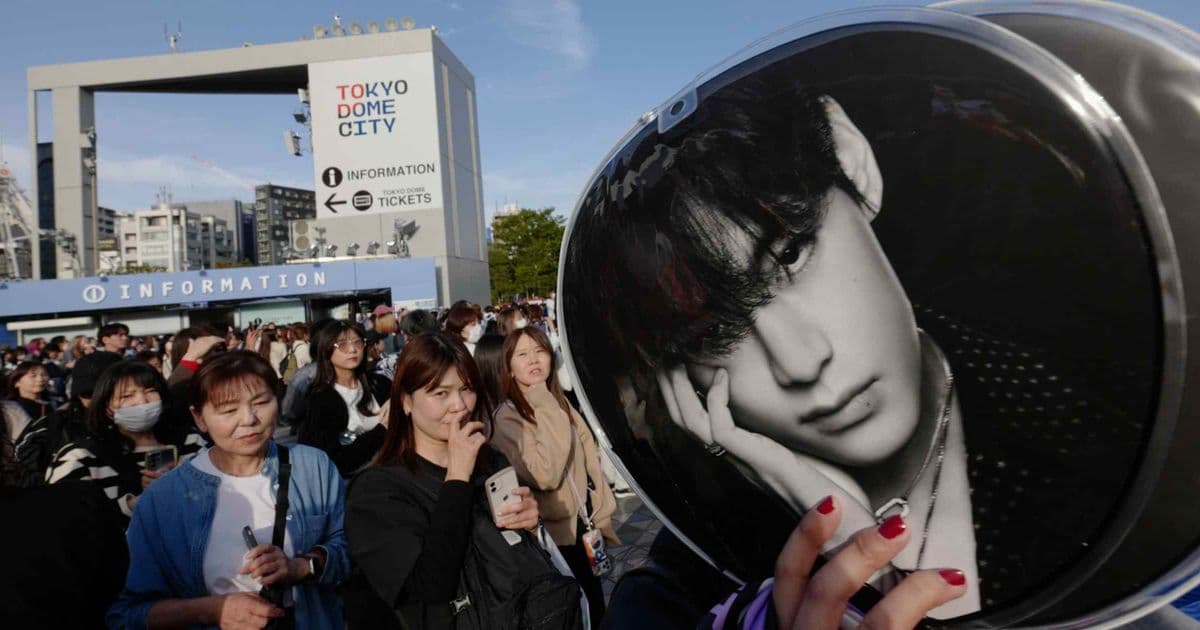
The Weverse app, propelled by global megastars BTS, has transformed fan engagement into a sophisticated economic ecosystem, generating $2.5 billion in annual revenue and offering crucial lessons for Japanese content creators seeking global soft power expansion.
The Weverse platform, developed by South Korean tech company Weverse Company (formerly known as Weverse Lab), has emerged as one of the most successful examples of monetizing digital superfandom, generating approximately $2.5 billion in annual revenue since its expansion beyond BTS's initial fan community. This digital ecosystem represents a fundamental shift in how entertainment companies engage with audiences and create sustainable economic value from cultural phenomena.
Business Model Innovation
Weverse operates as a comprehensive digital ecosystem that combines social networking, e-commerce, and content distribution. The platform generates revenue through multiple streams:
- Direct-to-consumer merchandise sales with 35% profit margins
- Premium subscription services offering exclusive content
- Virtual concert tickets and live streaming events
- Brand partnerships and targeted advertising
- In-app currency purchases for digital goods
The platform's parent company, Weverse Company, reported a 42% increase in revenue year-over-year in 2025, reaching $1.8 billion in annualized revenue. This growth trajectory has positioned the company for a potential IPO valuation of $12-15 billion, according to market analysts at Goldman Sachs.
Market Context: The Digital Fandom Economy
The global digital fandom economy has expanded at a compound annual growth rate of 18% since 2020, now valued at $65 billion worldwide. Weverse commands approximately 4% of this market, with over 30 million monthly active users across 180 countries. The platform's success reflects broader shifts in entertainment consumption patterns:
Direct-to-fan monetization: Traditional entertainment revenue models have been disrupted by digital platforms that enable direct relationships between creators and audiences, eliminating intermediary costs.
Community-as-service: Modern fans seek more than passive consumption; they desire participation, access, and belonging. Weverse transforms passive fandom into active community engagement.
Digital-first monetization: Younger demographics, particularly Gen Z and Alpha, prioritize digital experiences over physical goods, creating new revenue opportunities.
Strategic Implications for Japanese Content
For Japanese content creators seeking to replicate Weverse's success, several strategic lessons emerge:
Vertical Integration of Content and Commerce
Japanese entertainment companies have traditionally separated content creation from merchandise sales. Weverse demonstrates the power of integrating these functions. For example, Japanese anime studios could develop similar platforms that offer simultaneous access to content, exclusive behind-the-scenes material, and merchandise drops, creating a unified experience that increases user engagement and lifetime value.
Data-Driven Fan Personalization
Weverse utilizes AI-driven personalization to recommend content and products based on user behavior, increasing conversion rates by 27% compared to traditional e-commerce approaches. Japanese content creators often lack sophisticated data analytics capabilities, missing opportunities to monetize deeper fan relationships.
Global Infrastructure for Local Content
While Japanese content has significant global appeal, distribution has been fragmented. Weverse built a unified platform that supports multiple artist communities while maintaining local relevance. This model could benefit Japanese pop culture exports by creating dedicated digital spaces for manga, anime, and J-pop that transcend geographical boundaries.
Economic Impact Analysis
The economic impact of Weverse extends beyond direct revenue. The platform has created approximately 12,000 jobs in South Korea's digital content sector and has spurred development of supporting technologies in areas like:
- Digital rights management
- Content delivery networks
- Payment processing for virtual goods
- Community moderation and safety systems
Moreover, Weverse has demonstrated that successful digital platforms can achieve profitability faster than traditional entertainment businesses, reaching break-even in just 3.5 years compared to the industry average of 7-10 years.
What It Means for the Future
The success of Weverse signals several important trends for the entertainment industry:
Platformization of culture: Entertainment companies will increasingly need to develop proprietary platforms rather than relying on third-party social media.
Fan equity models: Successful platforms will find ways to reward superfans with equity-like benefits, creating stakeholder communities rather than passive audiences.
Hybrid physical-digital experiences: The most successful models will seamlessly integrate online engagement with physical experiences, as demonstrated by Weverse's integration with BTS concerts and events.
Global-local balance: Platforms must maintain cultural authenticity while achieving global scale—a particular challenge for Japanese content with strong cultural identity.
For Japanese content creators seeking to enhance their global soft power, Weverse offers a compelling blueprint. By building integrated digital ecosystems that prioritize direct fan relationships, leverage data-driven personalization, and create seamless commerce-content experiences, Japanese entertainment companies can transform cultural appeal into sustainable economic value. The question is no longer whether to develop such platforms, but how quickly they can be implemented to capture the growing digital fandom economy before competitors establish market dominance.
As the global entertainment landscape continues to evolve, the lessons from Weverse will become increasingly relevant for any content creator seeking to transform popularity into lasting economic impact.
Comments
Please log in or register to join the discussion