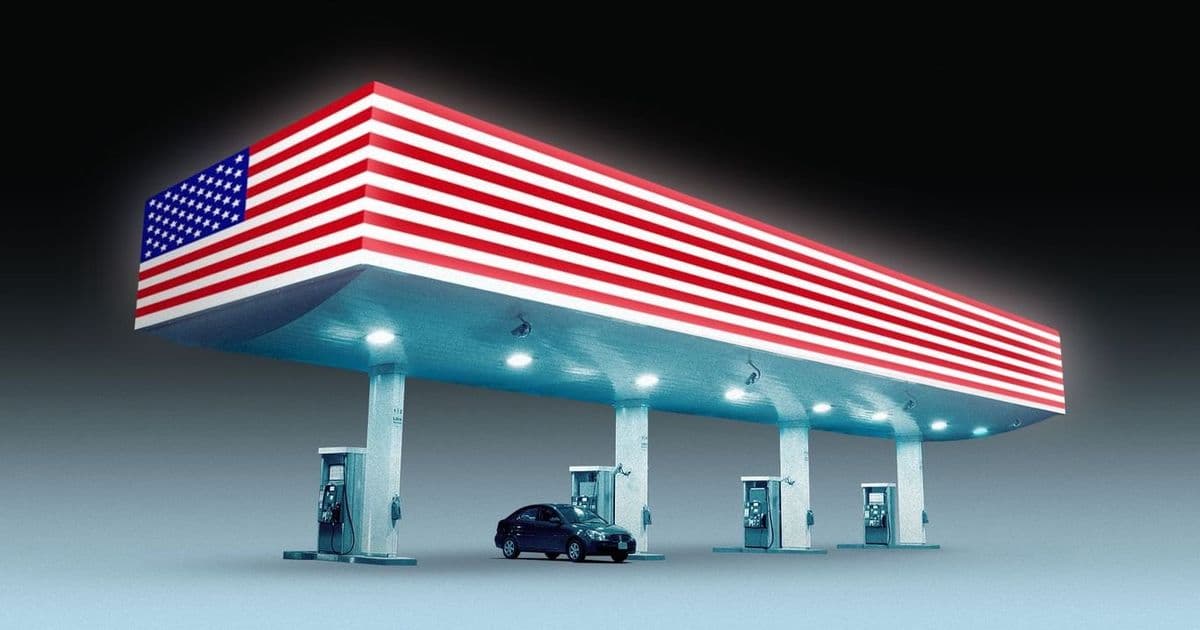
Diesel prices hitting $5 per gallon signal potential economic turbulence as the fuel powers everything from trucking to farming, with ripple effects across supply chains and consumer prices.
The U.S. economy is facing a significant challenge as diesel fuel prices have surged to $5 per gallon, a level that could trigger widespread economic consequences. This price point represents more than just a pain at the pump for truck drivers—it's a critical economic indicator that affects virtually every sector of the American economy.
Diesel fuel is the lifeblood of the U.S. transportation system. Unlike gasoline, which powers passenger vehicles, diesel fuels the commercial trucking industry that moves approximately 71% of all freight in the United States. When diesel prices spike, the cost of transporting goods increases across the board, from groceries to manufactured products to raw materials.
The Trucking Industry's Breaking Point
The trucking industry operates on notoriously thin margins, with many owner-operators and small trucking companies barely breaking even even in good times. At $5 per gallon, with trucks averaging 6-8 miles per gallon, the cost to move freight has increased dramatically. A typical long-haul truck driving 2,000 miles per week would now spend $1,250 to $1,667 on fuel alone, up from around $750 when diesel was $3 per gallon.
This price shock is forcing difficult decisions throughout the supply chain. Trucking companies are implementing fuel surcharges, but these often don't fully compensate for the increased costs. Some smaller operators are being forced to idle their trucks or shut down entirely, reducing the available capacity for moving goods just as demand remains strong.
Agricultural Sector Under Pressure
Farmers are particularly vulnerable to diesel price increases. Modern agriculture is heavily mechanized, with tractors, combines, and irrigation pumps all running on diesel fuel. The timing couldn't be worse, as farmers are currently preparing for spring planting season when fuel consumption peaks.
Higher diesel costs mean higher production costs for crops, which could translate to higher food prices at grocery stores. Additionally, the cost to transport harvested crops to processing facilities and ultimately to consumers will increase, creating a double impact on food prices.
Manufacturing and Construction Impacts
Beyond transportation and agriculture, diesel price increases affect manufacturing and construction sectors. Many industrial facilities use diesel generators for backup power or in areas without reliable electrical infrastructure. Construction equipment, from excavators to cranes, runs on diesel, making building projects more expensive.
These increased costs could slow construction activity, potentially exacerbating the ongoing housing shortage. Manufacturing facilities may face difficult choices between absorbing costs or passing them on to consumers through higher prices.
Inflationary Pressures Mount
The $5 diesel price point is particularly concerning because it comes at a time when inflation is already elevated. Energy costs are a significant component of the Consumer Price Index, and diesel's impact extends far beyond its direct consumption.
When transportation costs increase, businesses across all sectors face pressure to raise prices. This creates a feedback loop where higher diesel prices lead to higher consumer prices, which can trigger demands for higher wages, potentially leading to a wage-price spiral.
Regional Economic Disparities
Not all regions are equally affected by high diesel prices. Rural areas and regions dependent on agriculture, manufacturing, or long-haul trucking may feel the impact more acutely. States with extensive agricultural sectors or those that serve as major transportation hubs could see more significant economic strain.
Policy Implications
The current diesel price surge raises questions about energy policy and strategic petroleum reserves. The Biden administration faces pressure to address fuel costs while balancing environmental goals and energy transition policies. Some policymakers are calling for increased domestic oil production, while others advocate for accelerating the transition to electric vehicles and renewable energy.
Looking Ahead
Whether $5 diesel becomes the new normal or represents a temporary spike depends on multiple factors, including global oil supply, geopolitical tensions, and seasonal demand patterns. The summer driving season typically sees increased fuel demand, which could push prices even higher.
For now, businesses and consumers alike are bracing for the economic impact of sustained high diesel prices. The $5 per gallon threshold isn't just a number—it's a warning sign of potential economic turbulence ahead, with implications that extend far beyond the fuel pump.
Comments
Please log in or register to join the discussion