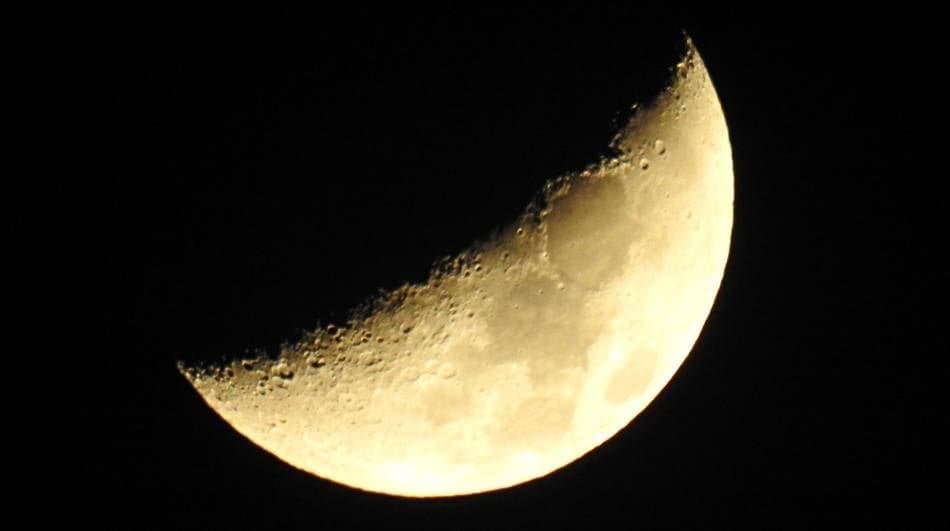
A Falcon 9 upper stage is projected to collide with the Moon in August 2026, raising questions about space debris regulations and corporate responsibility in increasingly crowded orbital environments.
A piece of a SpaceX Falcon 9 rocket is set to become the first known human-made object to unintentionally collide with the Moon, according to predictions from astronomer Bill Gray of Project Pluto. The upper stage, launched on January 15, 2025, for a lunar mission carrying Blue Ghost and Hakuto-R landers, has been orbiting Earth for over a year before its projected impact on August 5, 2026.
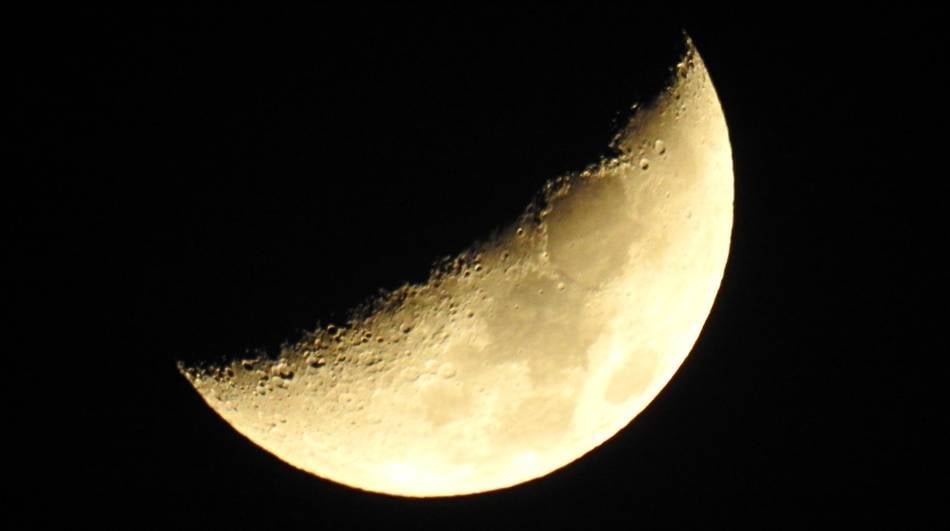
The object, designated 2025-10D, is traveling at approximately 2.43 kilometers per second—equivalent to Mach 7 if the Moon had an atmosphere—and will strike the lunar surface at about 5,400 miles per hour. While the impact poses no immediate danger to humans or existing lunar probes, it highlights significant regulatory gaps in space debris management and the growing challenges posed by private sector space activities.
Current international space law, primarily governed by the 1967 Outer Space Treaty and subsequent agreements like the 1972 Liability Convention, establishes liability for damage caused by space objects but lacks specific provisions for debris mitigation or end-of-life disposal requirements. The absence of comprehensive regulatory frameworks has allowed companies like SpaceX to abandon rocket stages in orbits that eventually intersect with celestial bodies.
"This incident demonstrates the carelessness with which leftover space hardware is disposed of," noted Gray in his commentary on Project Pluto's website. As private companies and nations increasingly target lunar exploration, the accumulation of debris in cislunar space threatens future missions and scientific observations.
The impact comes amid growing concerns about the sustainability of space activities. The Federal Communications Commission (FCC) and other regulatory bodies have begun implementing stricter debris mitigation rules for satellite operators, but these regulations primarily address Earth-orbiting objects and lack jurisdiction over lunar trajectories.
Affected parties include:
- Future lunar missions that may encounter debris fields
- Scientific communities studying the Moon's environment
- Commercial lunar landers and infrastructure developers
- International space agencies planning long-term lunar habitation
The collision also raises questions about compliance with Article IX of the Outer Space Treaty, which requires states to conduct activities "with appropriate international consultation" to avoid harmful contamination of celestial bodies. While the impact itself may not constitute harmful contamination, the precedent of uncontrolled rocket stages impacting the Moon sets a concerning precedent for future lunar operations.
Moving forward, regulatory bodies will need to develop comprehensive guidelines for:
- End-of-life disposal protocols for lunar-bound spacecraft
- Liability frameworks for debris impacts on celestial bodies
- Environmental impact assessments for lunar activities
- International coordination on space debris monitoring and mitigation
As humanity prepares for a renewed era of lunar exploration, incidents like this underscore the urgent need for updated regulatory frameworks that balance innovation with environmental stewardship of space resources.
Comments
Please log in or register to join the discussion