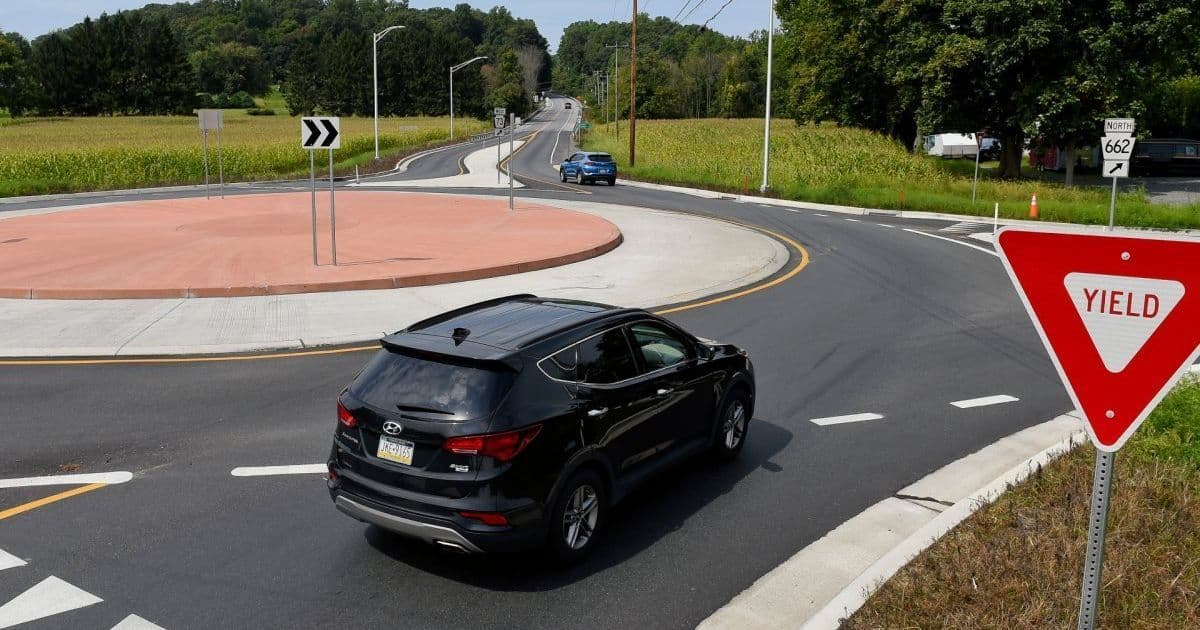
A fresh Michigan State Police crash report shows that roundabouts, often hailed for safety, dominate the list of most collision-prone intersections in the state. The article dissects the design shortcomings of the top offenders and explains how data‑driven insights could steer future infrastructure improvements.
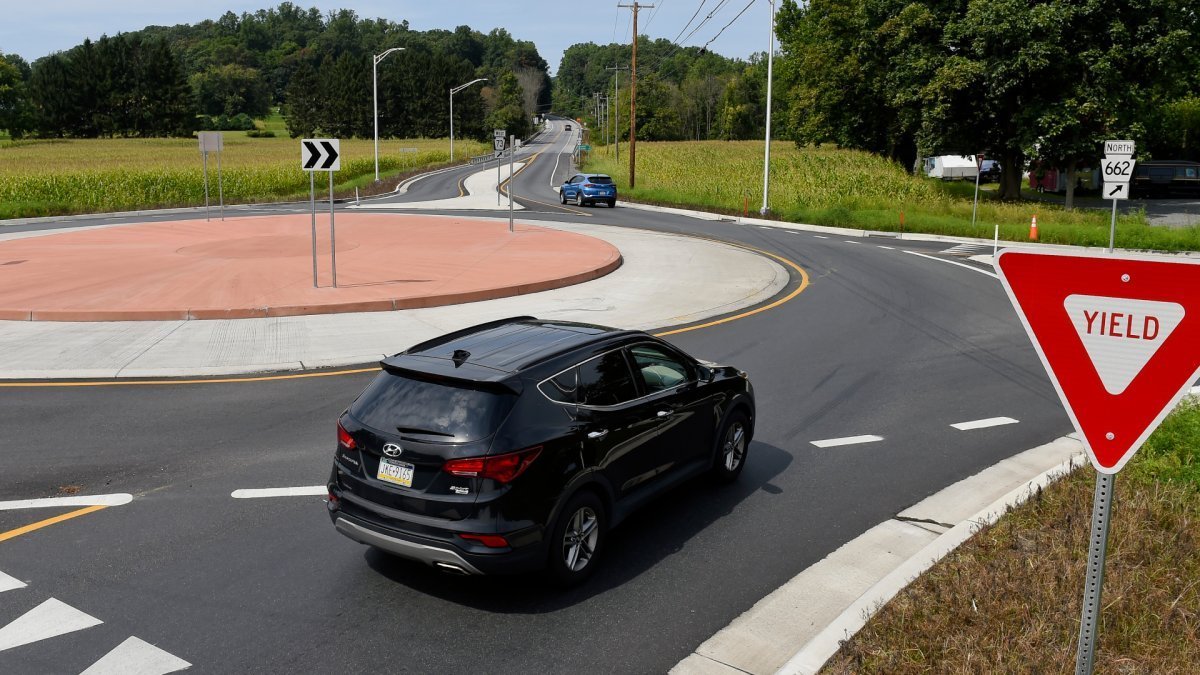
The Paradox of Michigan’s Roundabouts
While roundabouts are widely promoted as a traffic‑calming solution that reduces fatality rates, the latest 2024 Michigan State Police accident database—publicly released by the Michigan Auto Law group—puts a different narrative in the spotlight. Of the 20 intersections with the highest total collision counts, five are roundabouts, and three rank in the top ten. In a state where roundabouts constitute a low‑single‑digit percentage of all intersections, this concentration is statistically significant.
“The data show that while roundabouts may increase the frequency of minor collisions, the severity of those crashes is typically lower,” the report notes, citing that none of the three fatalities in the dataset occurred at a roundabout.
The report’s methodology is transparent: it pulls raw crash reports from the Michigan State Police, filters by intersection, and aggregates incidents over the calendar year. The result is a clear, data‑driven picture of where drivers are most at risk.
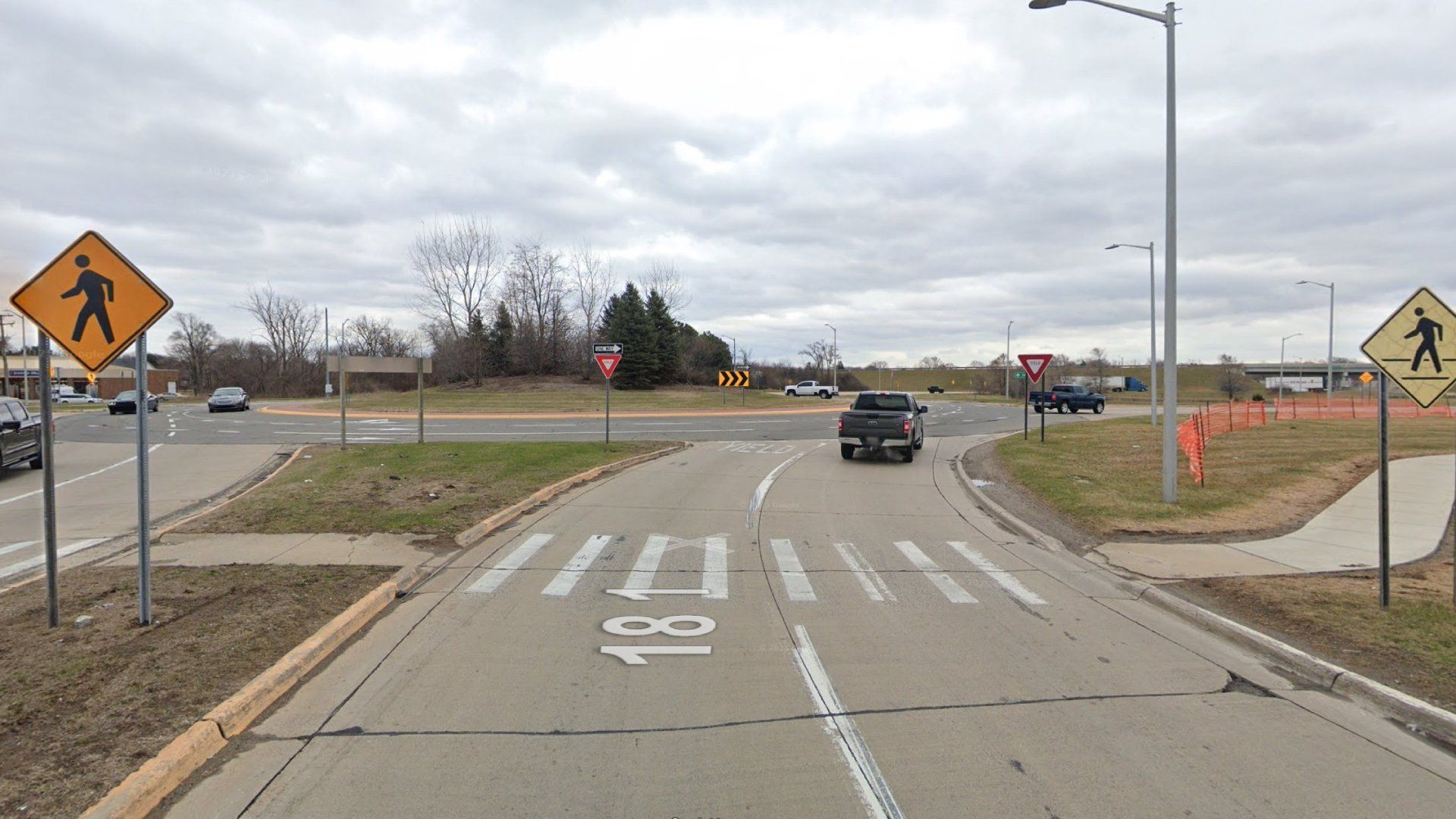
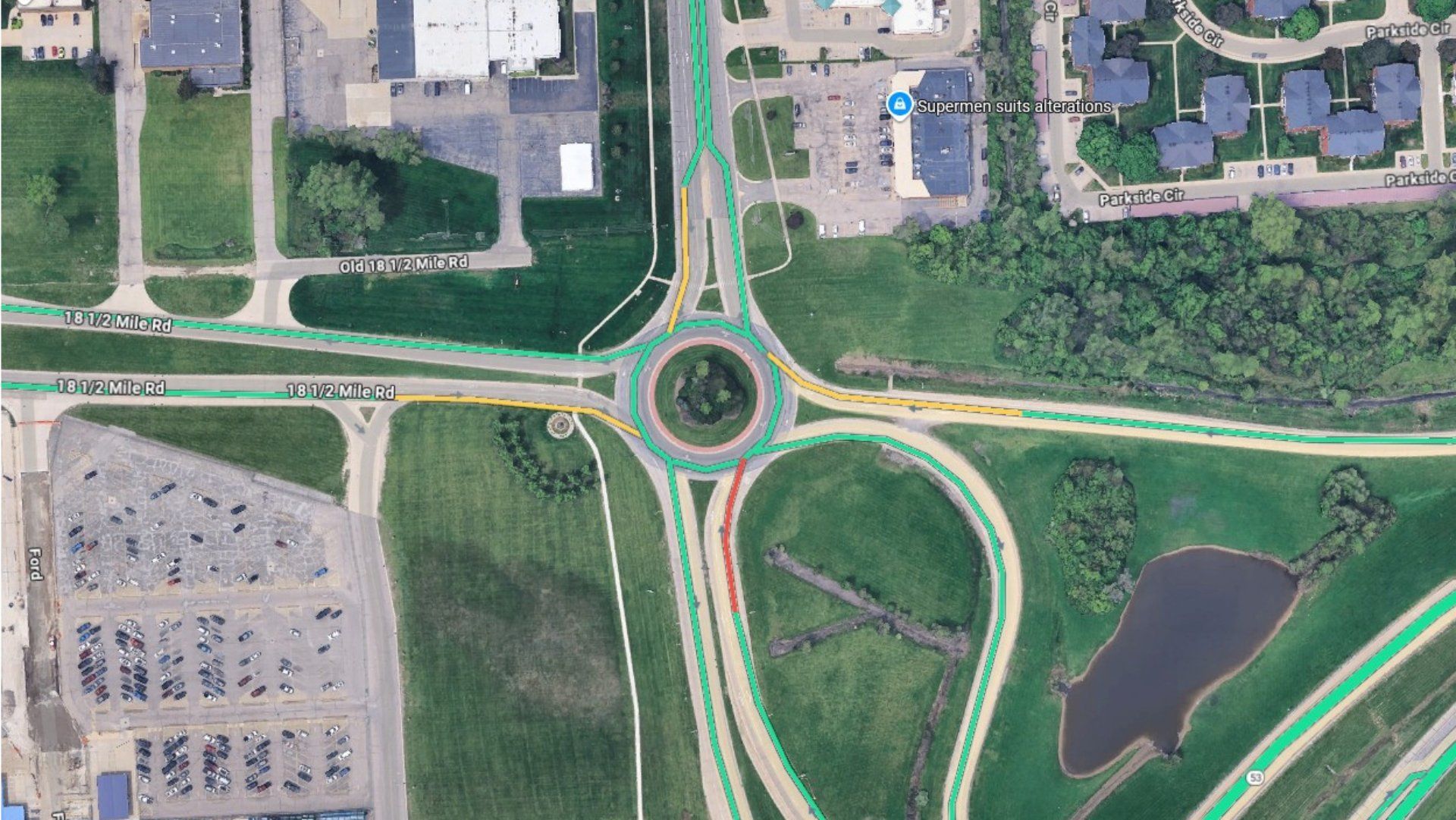
1. 18½ Mile Road & Van Dyke Freeway, Macomb County
The first roundabout on the list, located at the beginning of the Van Dyke Freeway, has long been criticized by local traffic engineers. The southeast quadrant forces west‑bound traffic to cross over exiting freeway traffic to reach the eastbound on‑ramp—a weave‑lane scenario reminiscent of cloverleaf interchanges. Despite the theoretical efficiency of a roundabout, the design here creates a bottleneck that can lead to rear‑end collisions.
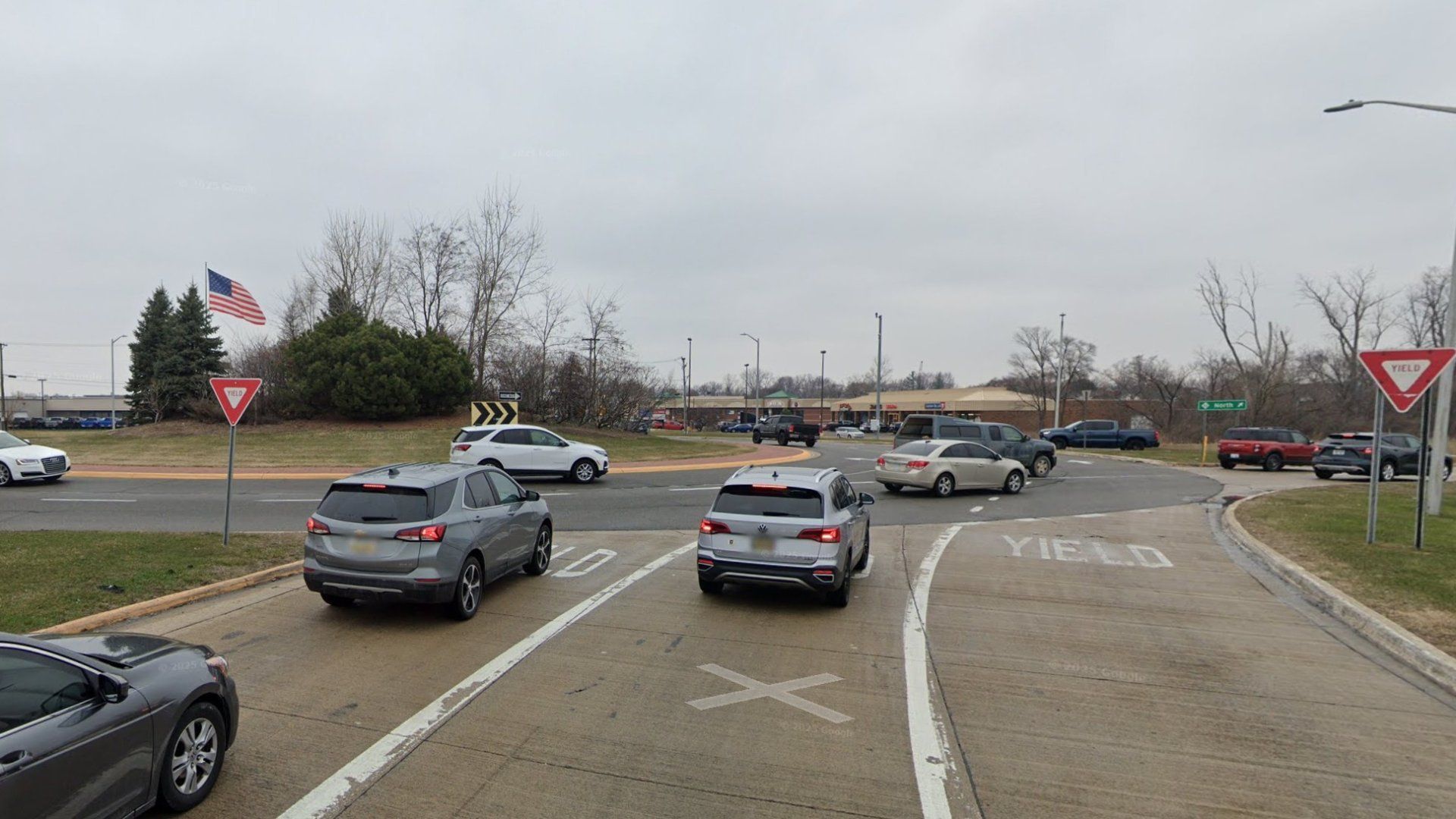
2. Pontiac Trail & Martin Parkway, Pontiac
The second entry, a “turbo” style roundabout that serves as the northern terminus of M‑5, is perhaps the most perplexing. The slip lanes are protected, yet the intersection averages one crash every 2½ days. The configuration—where some lanes serve both through and exit traffic—may encourage drivers to cut across the lane, increasing the risk of side‑by‑side collisions.
3. 14 Mile & Orchard Lake Roads, Farmington Hills
This intersection’s satellite view suggests a complex geometry, but on the ground it is the third‑most dangerous. The lack of clear lane markings and the convergence of multiple traffic streams contribute to driver confusion.
4. West Ellsworth & State, Ann Arbor
A near‑simplistic intersection that, according to the report, has an almost comically low number of crashes. The design features numerous curbs that effectively prevent wrong‑lane entries, illustrating how small design tweaks can dramatically improve safety.
5. Lee Road & US‑23, Brighton
This “barbell” style double‑roundabout interchange is a modern solution to integrating an overpass, service drive, and highway interchange. While the layout is unconventional, the report indicates that the added complexity does not necessarily translate to higher crash rates, though the intersection remains on the list due to its high traffic volume.
The Outlier: I‑696 & 11 Mile Road, Warren/Center Line
The single most dangerous intersection in the state is not a roundabout at all. Serving I‑696, Van Dyke Ave, and 11 Mile Road, this interchange is notorious for its convoluted lane merges and service‑drive conflicts. The report’s data, derived from a snow‑covered night when the author first encountered the intersection, underscores the importance of clear signage and lane delineation.
Lessons for Infrastructure Planners
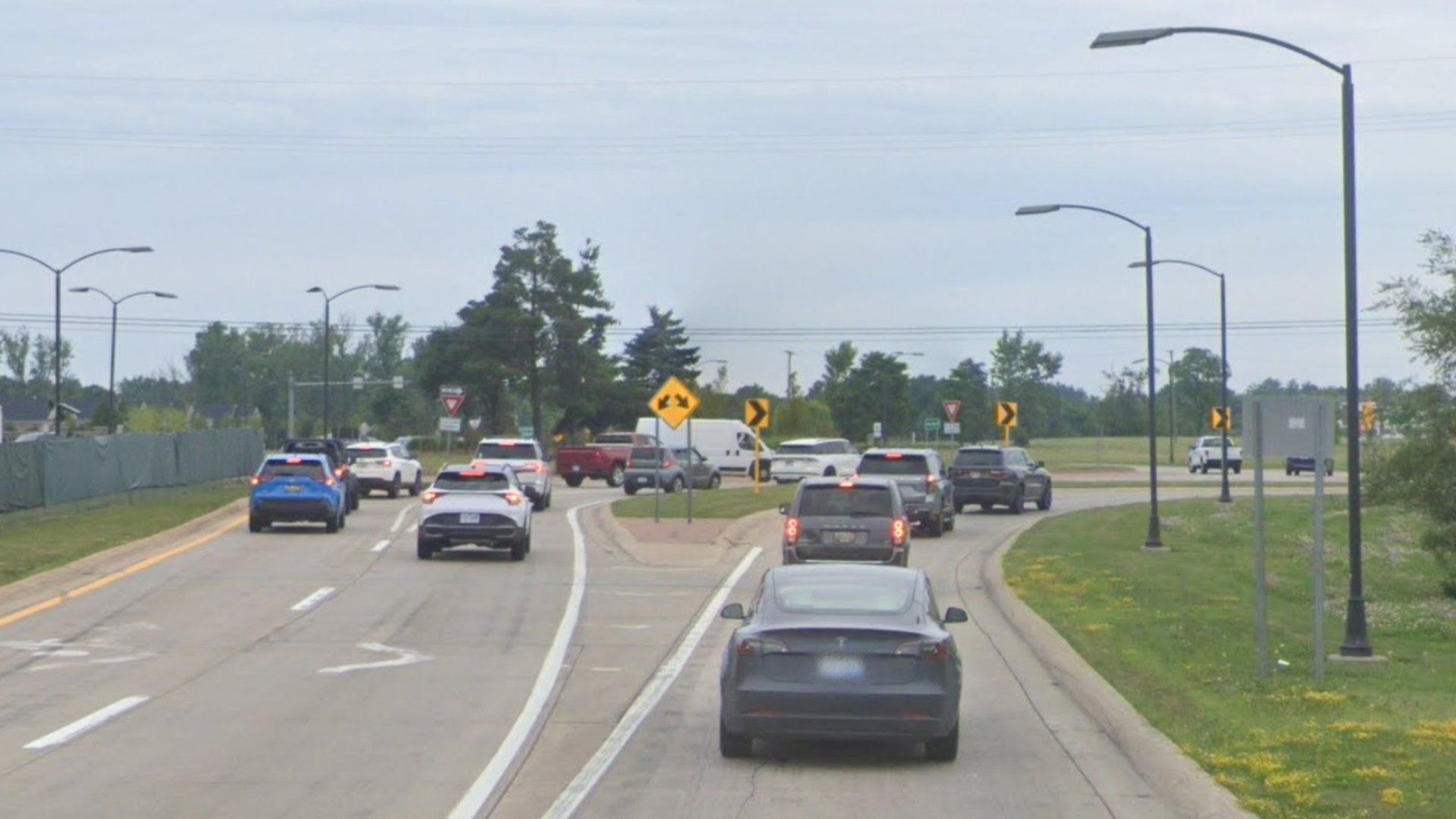
The Michigan data reveal a nuanced truth: roundabouts can increase the frequency of low‑severity crashes but reduce fatality risk. For engineers, the key takeaway is that design matters. Features such as clear lane markings, protected slip lanes, and adequate signage can mitigate the inherent risks of roundabout geometry.
In the era of data‑driven decision making, transportation departments can use crash analytics to identify high‑risk intersections and prioritize redesigns. By integrating real‑time traffic data, sensor feeds, and machine‑learning models, planners can simulate the impact of design changes before construction begins.
The 2024 Michigan State Police report serves as a reminder that even well‑intentioned infrastructure solutions must be rigorously evaluated against empirical evidence. As cities grapple with growing traffic volumes, the marriage of data analytics and thoughtful design will be essential to keeping roads safe.
Final Thoughts
While roundabouts continue to be championed for their safety benefits, Michigan’s latest crash data illustrate that they are not a panacea. The state’s most dangerous intersections—whether roundabouts or conventional interchanges—highlight the need for meticulous design, continuous monitoring, and data‑backed interventions. For the future of road safety, the lesson is clear: let the numbers guide the design, and let design, in turn, shape safer roads.
Comments
Please log in or register to join the discussion