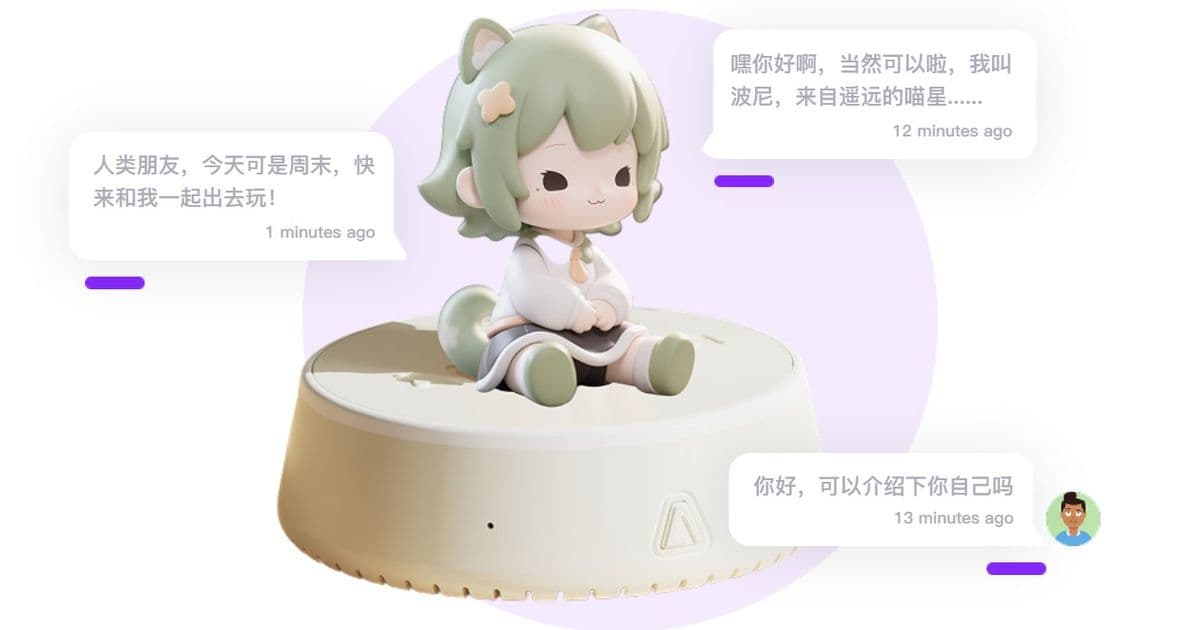
Chinese startup AiSpea is transforming everyday objects into interactive AI companions through its All-Things Party platform, allowing users to customize personalities and create digital universes.
When toys learn to talk, AiSpea turns all things into AI-powered companions
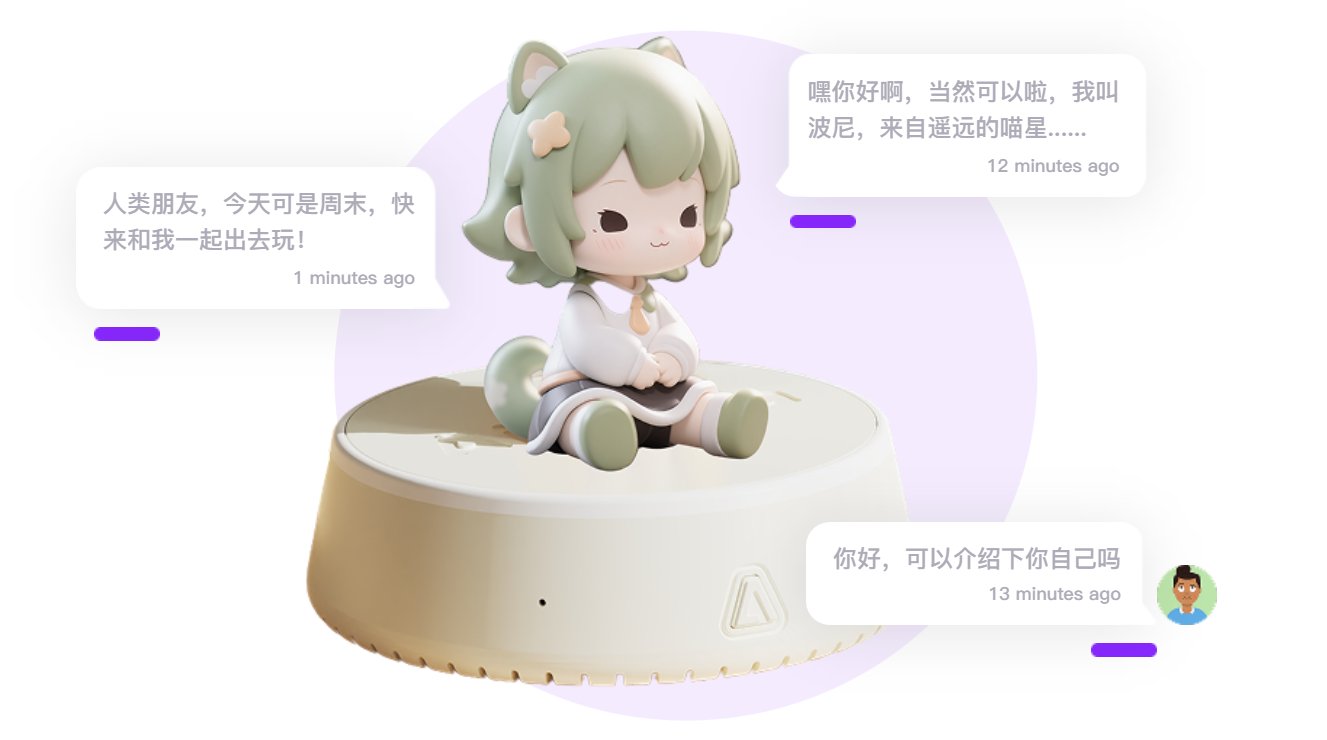
As children, many of us imagined our toys coming to life—speaking, thinking, and developing personalities of their own. Today, that long-held fantasy is being transformed into reality by Chinese technology company AiSpea. The company's latest product, All-Things Party (万物派对), aims to imbue everyday objects with AI, effectively giving them a digital soul.
By integrating AI and interactive technologies, the platform enables ordinary items to become responsive companions capable of engaging in dialogue, expressing emotion, and offering personalized interaction.
A dream-building team emerges from Zhejiang University
AiSpea's R&D team brings together talent from top institutions including Zhejiang University and IBM, combining expertise in large-scale AI models, hardware circuit design, and even in-house mobile app development. Long before AI-powered gadgets became trendy, the team had already set their sights on children's education and companionship.
By pairing AI with toys, they carved out a niche of their own. Today, their AI-powered plush toys and desktop robots are selling overseas.
All-Things Party: the AI magic that brings objects to life
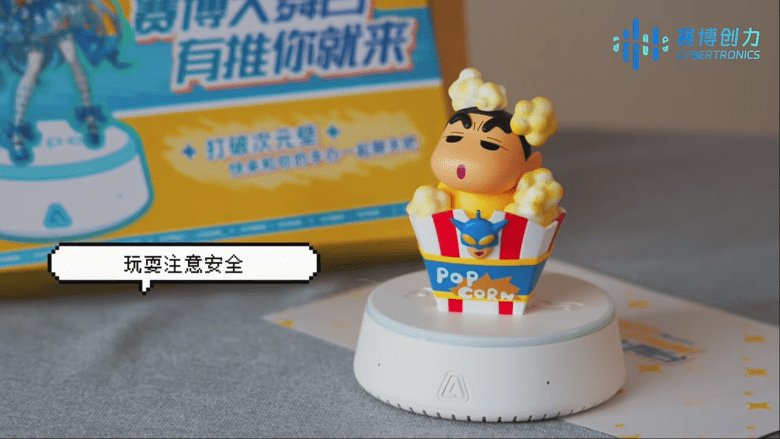
At the heart of All-Things Party is a simple but powerful idea: giving everyday objects an AI-powered soul. Users place their toys, figurines, or even a water bottle or lipstick onto AiSpea's AI base, and then use a dedicated mobile app to customize each character's personality, voice, and conversational style.
Teddy bear might turn into a master of cheesy jokes, while water bottle could become a health-obsessed chatterbox, constantly reminding users to stay hydrated. What makes it even more fun is that these AI characters don't just talk to users — they can also talk to each other. Users can invite multiple characters into a group chat and watch them banter, collaborate, or even co-create a story together.
This smooth, multi-character interaction is powered by Alibaba Cloud's Qwen large language model. Behind the scenes, the model accurately understands conversational intent, keeps track of context, and manages the logic and turn-taking of responses.
From toys to parallel universes, where AI unlocks endless possibilities
AiSpea's ambitions extend well beyond toys. The company has partnered with Youku to bring characters from the hit web drama The Young Brewmaster's Adventure onto its AI platform. Fans can now hold real-time, face-to-face conversations with their favorite on-screen personalities.
Looking ahead, these AI characters could be connected to smart home systems, acting as digital assistants that control lighting and music. They could also move into educational settings, where they would serve as AI tutors, accompanying children as they learn English and other subjects.
As AiSpea CEO Zhou Yixu puts it, "We want to put the power of interaction back into users' hands." In the world of All-Things Party, every object can become part of a parallel universe created by users — and users are the ultimate creator of this ever-expanding digital playground.
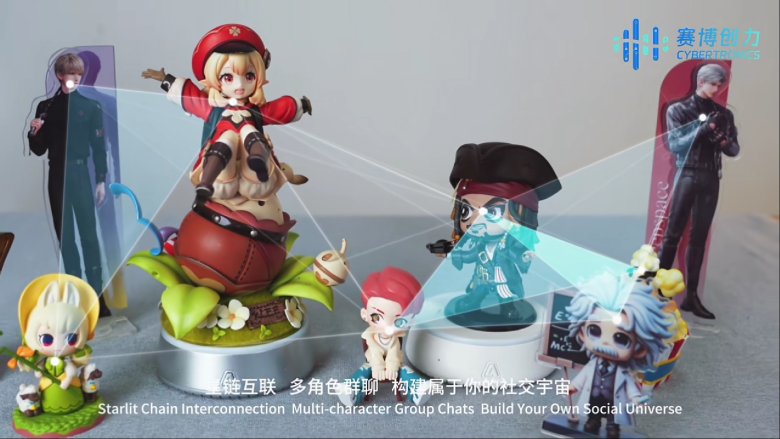
The technology represents a fascinating convergence of hardware and AI, where the physical and digital worlds merge through conversational interfaces. While many AI companies focus on chatbots or productivity tools, AiSpea is betting on emotional connection and play as the primary use cases for their technology.
Their approach raises interesting questions about the future of human-object relationships. As everyday items gain personalities and the ability to communicate, how will this change our interactions with the physical world around us? Will we develop emotional attachments to our water bottles and lipsticks in the same way we do with traditional toys?
For now, AiSpea is focused on creating delightful experiences that blur the line between imagination and reality. In doing so, they're not just building toys that talk—they're creating a new paradigm for how we interact with the objects that populate our daily lives.
Comments
Please log in or register to join the discussion