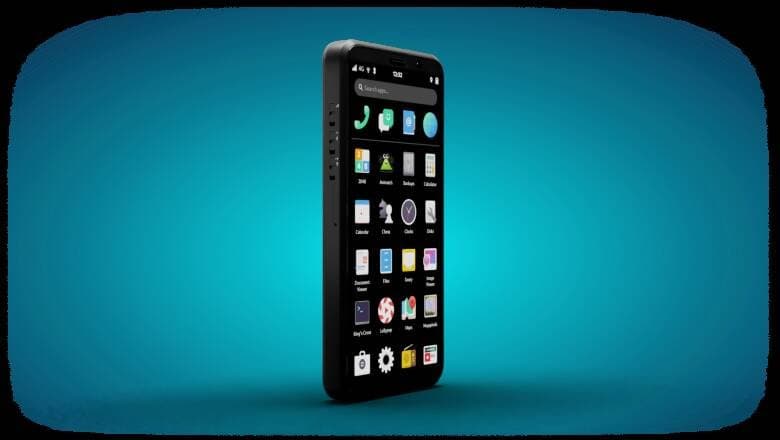
As Google and Apple impose increasing restrictions on their mobile ecosystems, privacy-conscious consumers have viable alternatives. This comprehensive guide examines the growing market of de-Googled Android phones and open-source mobile operating systems that preserve user control and data privacy.
Where to buy a non-Apple, non-Google smartphone
As both Apple and Google introduce unwelcome changes in their phone operating systems, privacy-focused consumers are seeking alternatives to these dominant platforms. The Keep Android Open campaign highlights growing concerns about Google's upcoming restrictions, with just 123 days remaining until new measures preventing side-loading applications will take effect.
Regulatory Changes Driving the Need for Alternatives
Google's planned implementation of September 2026 will introduce a "silent update" that blocks all Android applications whose developers haven't registered with Google, signed contracts, paid fees, and provided government identification. This worldwide change affects all Android devices with no opt-out option, effectively transforming personal phones into controlled ecosystems.
The Mountain View tech giant has also reduced the frequency of Android Open Source Platform code releases, making it more difficult for organizations creating de-Googled Android variants to maintain their systems. These changes come after Google abandoned its "Don't Be Evil" motto, marking a significant shift in the company's approach to open mobile ecosystems.
Apple's iOS 26.4 introduces age verification measures that require scanning official identification documents, effectively locking out users without passports or driver's licenses from controlling their own devices.
Privacy-First Smartphone Alternatives
Several vendors now offer smartphones with Google-free operating systems, providing both de-Googled Android variants and entirely Linux-based mobile OS options.
Murena
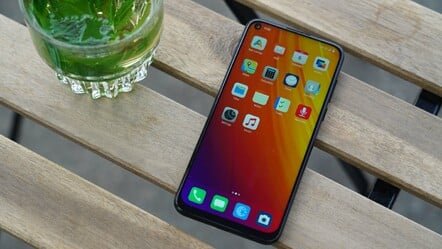 Murena is a prominent player in the privacy-focused smartphone market, sponsoring the development of /e/OS, a Google-free Android variant. The company sells pre-configured phones and tablets running /e/OS, eliminating the need for users to manually "root" existing devices. Their offerings include the Murena One smartphone, a privacy-centric de-Googled Android 10 phablet, and models from Fairphone, which received a perfect 10/10 repairability score.
Learn more about Murena and /e/OS: https://e.foundation
Punkt
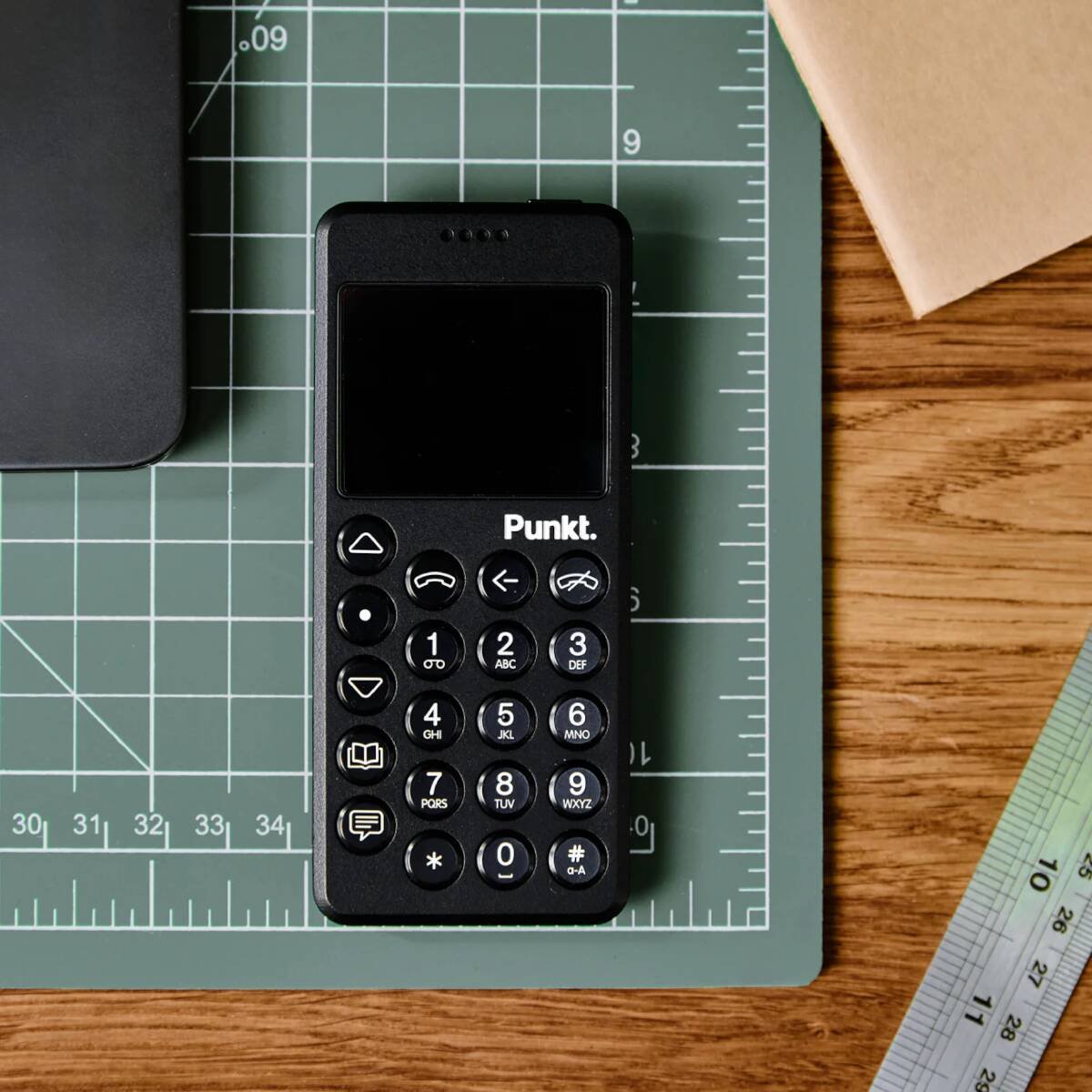 Swiss designer Punkt offers minimalist smartphones with a focus on privacy and reduced digital distraction. The company has been producing privacy-focused phones for years, including the MP02 4G minimalist phone and the newer MC03 ultra-private smartphone. Punkt's design philosophy emphasizes essential functionality without unnecessary features that could compromise user privacy.
Explore Punkt's offerings: https://www.punkt.ch
Volla
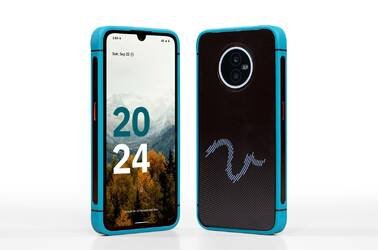 German company Volla provides three smartphones and a tablet with choice of operating systems: either their own de-Google Android (Volla OS) or Ubuntu Touch, the community-led continuation of Canonical's mobile OS. Volla devices offer users control over their mobile experience without the data collection practices of major tech companies.
Discover Volla's devices: https://volla.de
Jolla
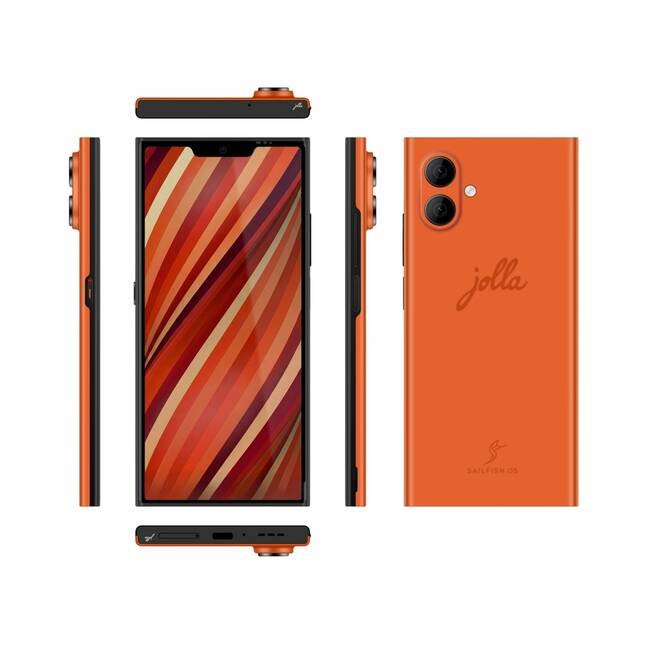 Finnish company Jolla offers the Jolla Phone running Sailfish OS, a Linux-based mobile operating system. The first two batches of their new phone have sold out, with the third batch currently accepting pre-orders. Sailfish OS provides an alternative mobile experience with strong privacy features and regular updates.
Learn about Sailfish OS and Jolla: https://jolla.com
Furilabs
For users seeking Debian-based mobile solutions, Furilabs offers the FuriPhone FLX1 and newer FLX1s models. The original FLX1 featured substantial build quality (18 cm long, 9 cm wide, and 2.8 cm thick), while the newer FLX1s is more compact at under a third of the thickness and weighing just over 200g. Both devices run FuriOS, a Debian-based mobile operating system.
Explore Furilabs products: https://furilabs.com
Purism
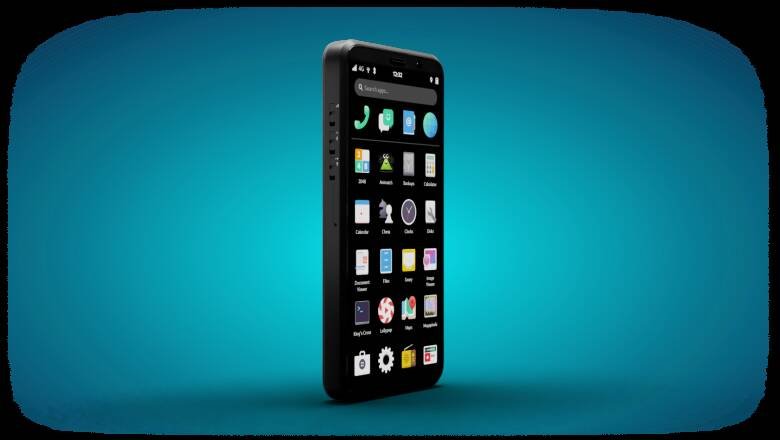 Purism offers the Librem 5, a smartphone built around free software principles with 3GB of memory and 32GB of storage. While considered low-end by modern standards and priced at a premium, the Librem 5 prioritizes user freedom and privacy over cutting-edge specifications. The device includes hardware kill switches for camera, microphone, and other connectivity features.
Learn about Purism's privacy-focused devices: https://puri.sm
PinePhone and postmarketOS
Pine64 offers the PinePhone, a hacker-friendly smartphone designed to run open-source firmware. While the higher-end PinePhone Pro has been discontinued, the original model remains available. The device can run various Linux distributions including Mobian Linux and postmarketOS, providing users with extensive customization options.
Explore Pine64's offerings: https://pine64.com
Honorable Mention: FXtec
FXtec's Pro1 smartphone offers a unique sliding keyboard design alongside privacy-focused features. While currently listed as out of stock, the device represents another alternative for users seeking control over their mobile experience.
App Compatibility Considerations
Many of these alternative operating systems address the critical question of application compatibility:
- /e/OS and other de-Googled Android variants can install most Android applications
- Pure Linux-based OSes like Sailfish, FuriOS, Mobian, and postmarketOS can run Android applications through virtual machines or containers
- Ubuntu Touch also offers compatibility with many Android applications
This compatibility ensures users can access essential applications while maintaining control over their device and data.
Compliance and Future Considerations
As regulatory environments continue to evolve, these privacy-focused smartphone alternatives represent not just technical choices but compliance considerations for organizations handling sensitive data. The coming changes from Google and Apple create significant compliance challenges for organizations that must:
- Ensure application sources meet security and privacy standards
- Maintain control over device configurations and access controls
- Preserve data sovereignty in an increasingly consolidated ecosystem
- Implement age verification processes where required
For organizations with specific compliance requirements, these alternative platforms offer greater control over device configurations and application sources, potentially reducing security risks associated with tightly controlled ecosystems.
The growing market for privacy-focused smartphones demonstrates increasing demand for digital sovereignty and control over personal technology. As regulatory changes continue to reshape the mobile landscape, these alternatives provide viable options for both individual users and organizations with specific compliance needs.
Comments
Please log in or register to join the discussion