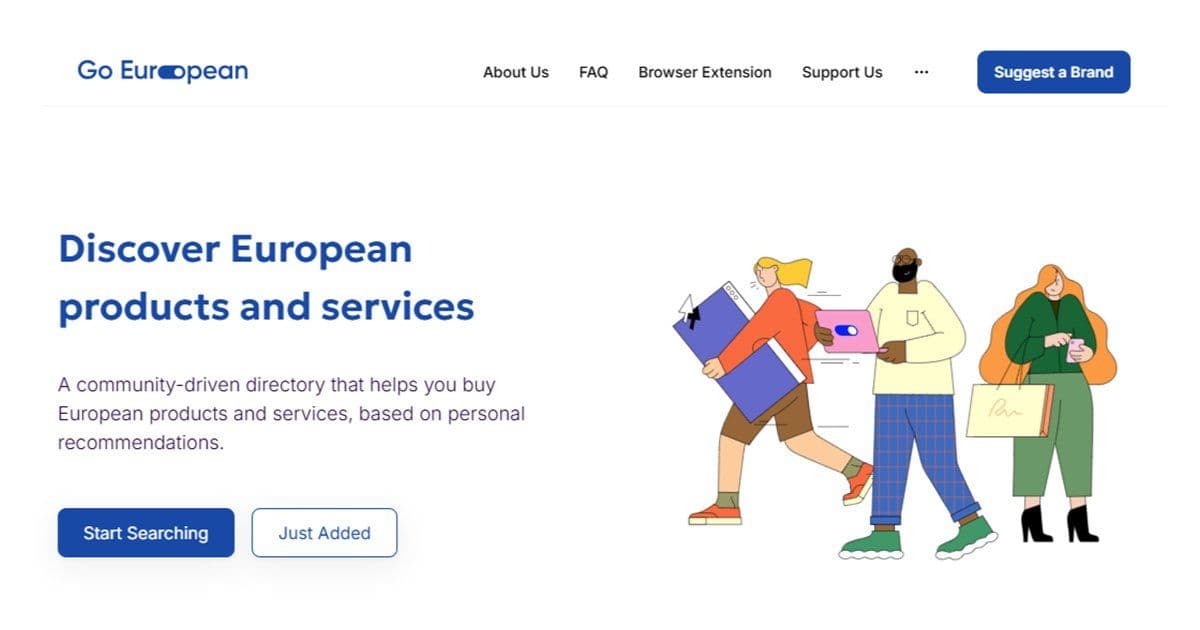
A community‑driven directory that curates European‑made products and services offers a practical way to support local economies, ensure data sovereignty, and discover alternatives to global tech giants.
Why a Europe‑Centric Marketplace Matters for Consumers and Creators
In an era where most digital experiences are dominated by a handful of multinational platforms, a directory that aggregates European‑origin products and services emerges as both a practical tool and a subtle statement about where we choose to place our trust. The platform, positioned as a community‑driven recommendation hub, invites users to search, compare, and choose alternatives that are built, hosted, or owned within the European Union or broader continent. Its design reflects three intertwined motivations: empowering consumers, reinforcing regional economies, and safeguarding digital rights.
The Core Argument: Local Choices Scale Globally
At its heart, the directory argues that personal recommendations can overcome the inertia of global brand dominance. By crowd‑sourcing opinions from people who have actually used a product, the site sidesteps the glossy marketing narratives that often accompany large‑scale services. When a user selects a category—such as Email Alternatives or Smartphone Alternatives—the platform surfaces a curated list of European options, each accompanied by brief user‑generated notes on usability, pricing, and data policies.
This model rests on three pillars:
- Transparency – Each entry links directly to the provider’s official site or documentation, allowing users to verify claims without intermediary bias.
- Community Trust – Ratings and comments are tied to verified accounts, reducing the likelihood of fake reviews that plague many e‑commerce sites.
- Geographic Relevance – By filtering results by country, the directory respects regulatory differences (e.g., GDPR compliance) and language preferences, making the discovery process more personalized.
Supporting Evidence: Real‑World Benefits
1. Data Sovereignty and Privacy
European data‑protection regulations, most notably the General Data Protection Regulation (GDPR), impose strict standards on how personal information is collected, stored, and processed. Services that are headquartered in Europe are legally obligated to adhere to these rules, offering a higher baseline of privacy than many offshore competitors. For example, the Email Alternatives section highlights providers such as ProtonMail (Switzerland) and Tutanota (Germany), both of which market end‑to‑end encryption and transparent data handling policies.
2. Economic Multipliers
When a consumer chooses a locally produced smartphone or a regional streaming service, the revenue stays within the European economic loop. According to a 2023 report by the European Commission, every euro spent on a locally sourced digital product generates an additional €0.45 in indirect economic activity through supply‑chain effects, job creation, and tax contributions. By aggregating these choices, the directory acts as a catalyst for that multiplier effect.
3. Cultural Resonance
Products designed for European markets often incorporate regional nuances—multilingual support, local payment methods, and culturally relevant content. The Nike Alternatives category, for instance, showcases European sportswear brands that emphasize sustainable manufacturing practices aligned with EU environmental directives, resonating with consumers who value ethical consumption.
Implications: From Individual Choice to Policy Influence
Consumer Empowerment
The platform’s user‑centric design encourages active decision‑making rather than passive acceptance of default services. As more users opt for European alternatives, providers receive tangible feedback loops, prompting rapid iteration and feature improvements that reflect local needs.
Market Diversification
A thriving directory can lower entry barriers for startups seeking visibility. By listing a new Cola Alternative from a boutique Austrian bottler alongside established brands, the site offers a low‑cost marketing channel that could otherwise be inaccessible without massive advertising budgets.
Regulatory Feedback
Aggregated usage data—anonymized and compliant with GDPR—could inform policymakers about demand trends for specific categories (e.g., a surge in demand for privacy‑focused email services). This insight might shape future regulations that further protect consumer choice and encourage competition.
Counter‑Perspectives: Limitations and Challenges
While the concept is compelling, several practical concerns merit attention:
- Scale of Offerings – European markets are fragmented; a directory may struggle to provide comprehensive coverage across all niches, especially for highly specialized B2B tools.
- Network Effects – Many global platforms benefit from entrenched network effects that are difficult for regional alternatives to overcome, regardless of privacy or ethical advantages.
- User Acquisition Costs – Maintaining an active community of reviewers requires incentives; without a clear monetization model, sustaining high‑quality contributions could be challenging.
Addressing these issues may involve partnerships with local chambers of commerce, integration of incentive mechanisms (such as reputation badges), or modest subscription tiers that fund platform maintenance while keeping the core service free.
Conclusion: A Subtle Shift Toward Regional Digital Autonomy
The emergence of a community‑driven directory for European products and services underscores a growing desire for digital autonomy rooted in local values. By making it easier to discover alternatives to ubiquitous global brands, the platform not only empowers individual consumers but also nudges the broader market toward greater diversity, privacy, and economic resilience. As the directory matures, its impact will likely be measured not just in the number of clicks, but in the incremental shift of capital, data, and cultural relevance back toward European creators.
Comments
Please log in or register to join the discussion