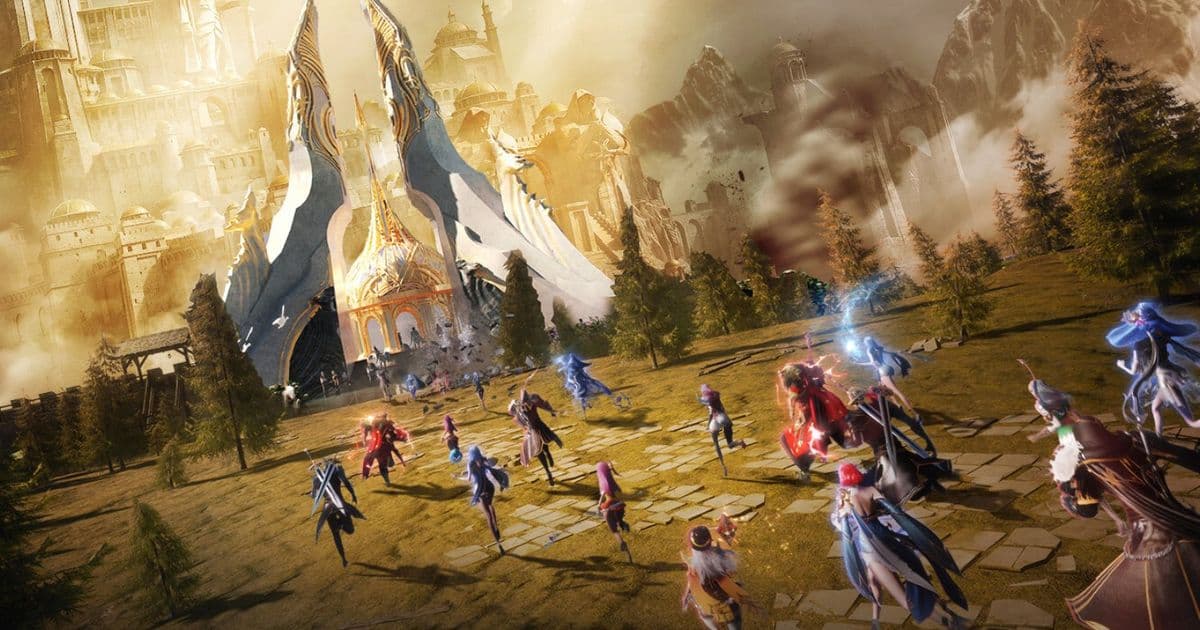
Embers of the Gods launched on Steam with a “Mostly Positive” 79% rating, but low concurrent player numbers, AI‑generated screenshots and a clunky auto‑battle system reveal a far messier reality.
What’s new
"Embers of the Gods" went live on Steam on May 15, 2026 with virtually no pre‑release hype. The developer lists itself under the same name as the title, and the game is marketed as a next‑generation, free‑to‑play MMORPG set on the Continent of Divine Fire. Players can pick one of three classes – Warrior, Ranger, or Mage – and advance by looting magical items and unlocking ever‑stronger realms.
How it compares
Steam ratings versus real‑world activity
Steam currently shows a "Mostly Positive" rating, with 79 % of 117 user reviews in favor. On paper that looks respectable for a brand‑new title, but the underlying numbers tell a different story. SteamDB recorded a peak concurrent player count of only 121 on launch day, slipping to 77 shortly after. A game that amasses nearly a hundred reviews while never breaking three‑digit concurrent users is an outlier and has sparked community skepticism.
Community backlash
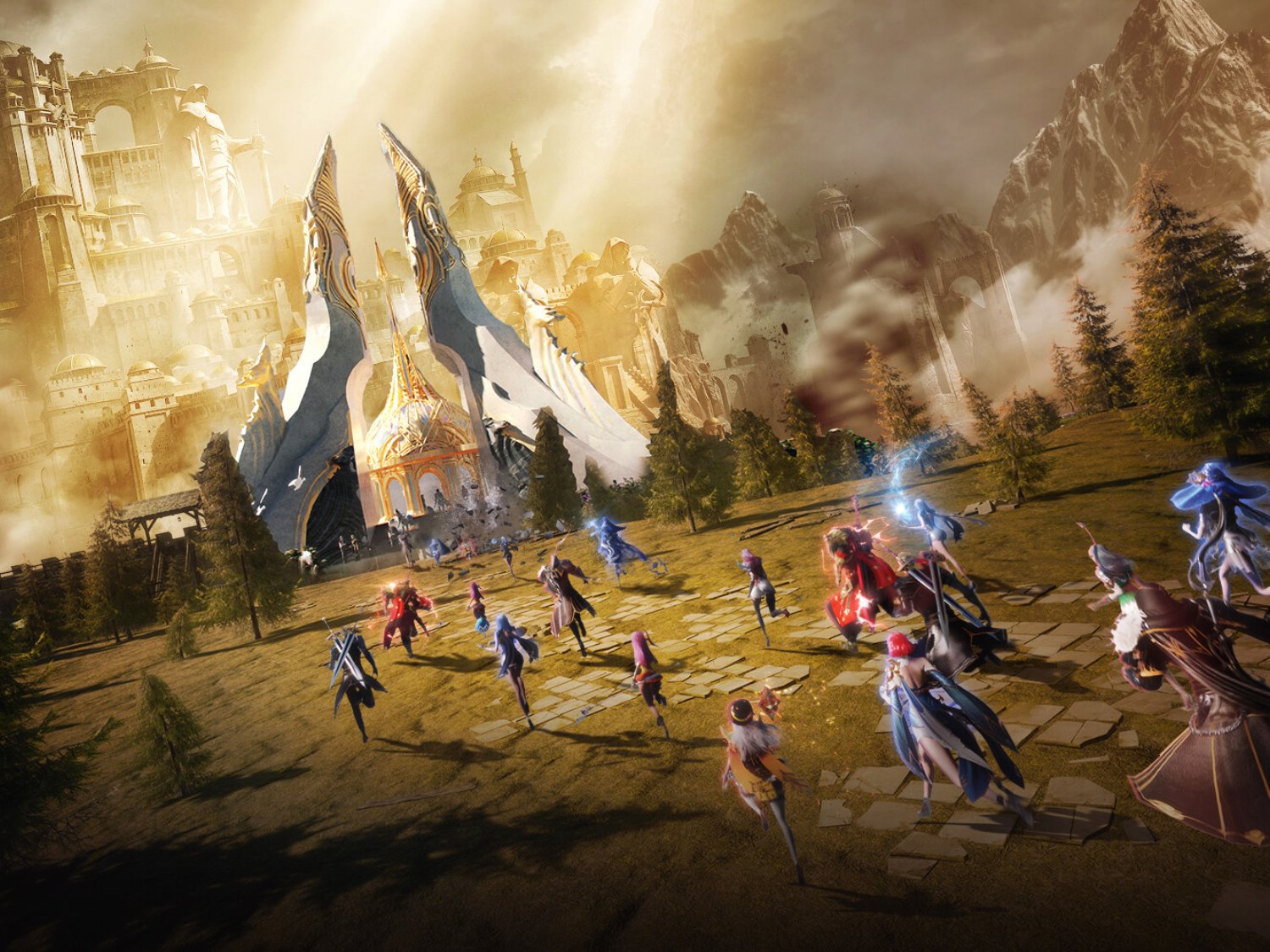
Steam community posts quickly turned critical. One reviewer called the game "mobile trash" and urged Valve to tighten its vetting process. Another user flagged the store screenshots as AI‑generated fakes, pointing out that the images do not match the in‑game graphics. This pattern – anonymous developer, no marketing, inflated review score, and misleading visuals – mirrors a growing trend of low‑effort mobile‑to‑PC ports that slip onto Steam.
Technical foundation
SteamDB confirms the title runs on the Unity engine. Early observers from the RPGWatch community noted that the game appears to be assembled from pre‑made asset packs, a common shortcut for quickly porting mobile projects to PC. The result is a visual style that feels generic and a performance profile that is optimised for low‑end hardware, which explains the reliance on an auto‑battle system.
Gameplay quirks
The auto‑battle mechanic, while intended to lower the entry barrier, introduces several drawbacks:
- Limited player agency – combat resolves without meaningful input, reducing the sense of mastery.
- Balance issues – AI‑controlled enemies scale poorly, making early zones feel trivial while later zones become disproportionately tough.
- Monetisation hooks – the system nudges players toward micro‑transactions for faster progression, a common tactic in free‑to‑play titles that originated on mobile.
Who it’s for
- Casual players seeking a free MMORPG may appreciate the low system requirements and the ability to jump in without a steep learning curve. However, they should be prepared for a grind‑heavy progression system and limited combat depth.
- Hardcore RPG fans looking for deep character builds, meaningful end‑game content, or a vibrant community will likely be disappointed. The low concurrent player base means matchmaking is sparse, and the reliance on asset‑pack visuals offers little novelty.
- Consumers wary of deceptive marketing should treat the Steam rating with caution. The disparity between review scores and actual player activity suggests that many positive reviews may be "review bombing" or incentivised.
Bottom line
"Embers of the Gods" arrives with a glossy storefront and a surprisingly high Steam rating, but the data underneath tells a cautionary tale. Low concurrent player numbers, AI‑generated promotional art, and a combat system that feels more like a mobile auto‑clicker than a true MMORPG indicate a product that leans heavily on the free‑to‑play model without delivering the depth expected from a next‑gen PC title. The game is free to try, so the financial risk is nil, but the time investment required to see whether it can rise above its shortcomings is not. Until the developer proves that the community can grow beyond a few dozen active players, the 80 % rating should be taken with a grain of salt.
Comments
Please log in or register to join the discussion