Examining how skilled workers adapted to technological change in the printing industry, drawing parallels to today's tech landscape.
The twilight of the Velocipede offers more than just a historical curiosity—it reveals patterns that continue to resonate in our digital age. When George Arensberg set his record of 2,064 ems in 1870, he represented the pinnacle of human skill in typesetting. His achievement wasn't just technical mastery; it was a cultural phenomenon that transformed printshop competitions into public spectacles with thousands of spectators and substantial prize purses.
These typesetting races emerged at a pivotal moment in the printing industry. While other aspects of production had become increasingly automated with steam-powered presses and folding machines, the final step of setting type by hand remained stubbornly rooted in the fifteenth century. This created a fascinating tension between human skill and technological advancement that should feel familiar to anyone watching today's AI developments.
The culture surrounding these "Swifts"—the fastest compositors—reveals much about how skilled professions develop their own identities. Newspaper compositors formed a distinctive subculture with their own slang, social codes, and competitive rituals. They were proud of their hard work and "harder living," creating a tightly-knit community that valued speed above all else. This mirrors how certain tech subcultures develop around specific tools or methodologies, complete with their own jargon and status hierarchies.
What's particularly striking is how these workers responded to the looming threat of mechanization. Rather than resisting change, many embraced it as a challenge to push their skills to new heights. The typesetting races represented a way to assert human value in an increasingly automated world. This human-centered approach to technological adaptation offers an important counter-narrative to deterministic views of technological progress.
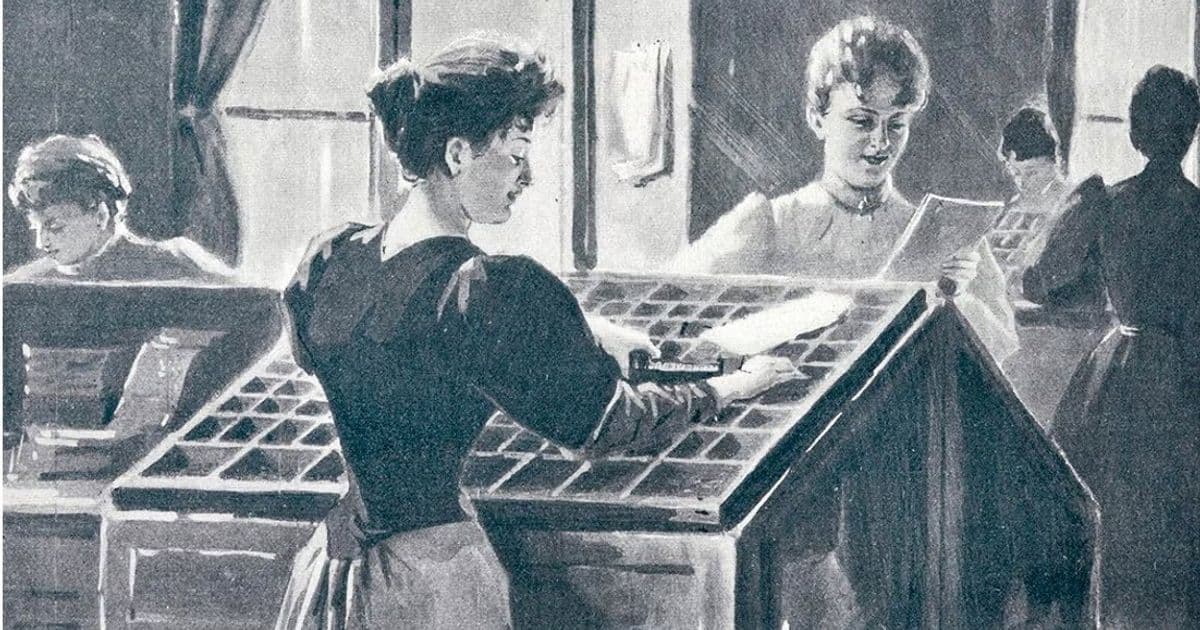
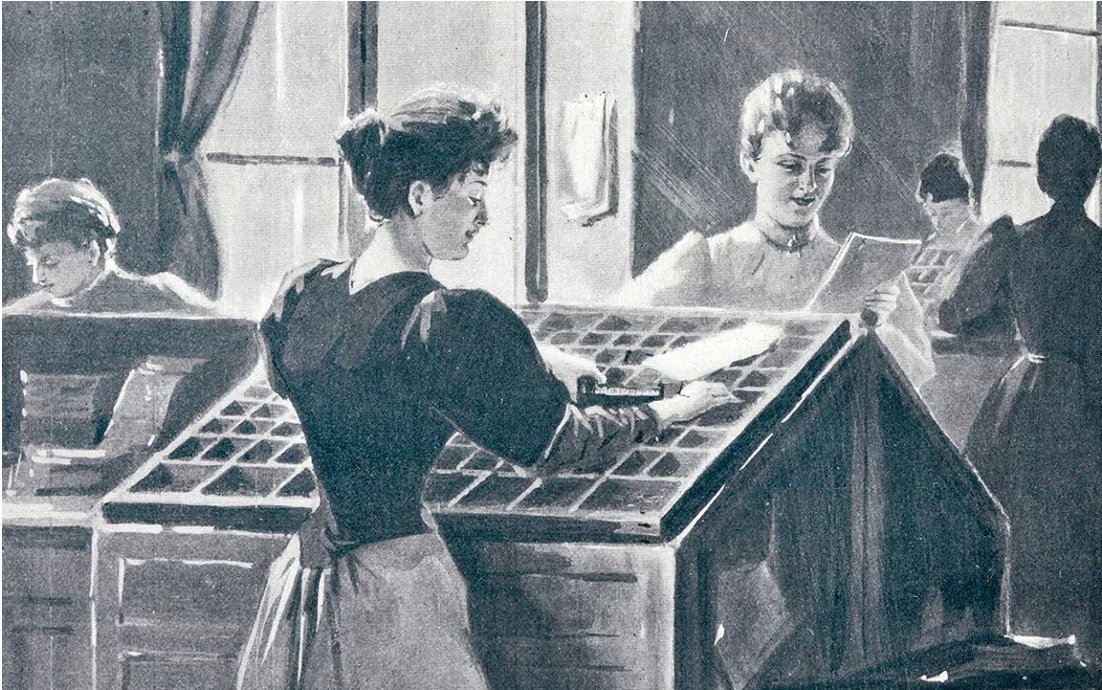
The entry of women into typesetting competitions adds another layer to this story. When Miss L. J. Kenney and her fellow female compositors outperformed their male counterparts in 1886, they challenged not just technical standards but also deeply entrenched gender barriers in the industry. The organizers' refusal to acknowledge their achievements demonstrates how cultural biases often resist even objective evidence of competence—a pattern that continues to play out in tech hiring and promotion practices today.
The eventual transition to mechanical typesetting wasn't inevitable or uncontested. The article documents over 300 attempts at creating mechanical typesetting devices before the Linotype succeeded. Each failure represented a different approach to solving the problem, suggesting that technological outcomes are rarely predetermined. This should give us pause when we assume current AI or automation technologies represent the final word on these developments.
The unionization of printers offers another parallel to contemporary tech labor issues. The International Typographical Union became one of the nation's most powerful labor organizations, successfully negotiating better conditions and wages for its members. Yet their resistance to mechanization ultimately proved futile. This raises important questions about how labor movements can adapt to technological change rather than simply opposing it.
The story of Whitelaw Reid, publisher of The New York Tribune, particularly resonates with today's tech executives. Viewing compositors as "an overstaffed bottleneck of coddled workers," he sought efficiency through mechanization—a familiar refrain in modern Silicon Valley. His eventual embrace of the Linotype demonstrates how economic incentives often drive technological adoption, regardless of craft traditions or worker skill.
What's most compelling about this historical episode is how it reveals the complex interplay between human skill, technological possibility, and economic necessity. The typesetters weren't simply victims of progress; they were active participants who shaped their industry through competition, innovation, and adaptation. Their story suggests that technological change is always negotiated, not imposed.
In our current moment of AI-driven transformation, these historical lessons offer valuable perspective. The printing industry's transition reminds us that:
- Human skills often reach remarkable peaks just before technological disruption
- Cultural resistance to change often masks legitimate concerns about value and identity
- Technological adoption is driven by complex economic and social factors, not just technical superiority
- The most successful transitions often incorporate rather than completely replace human expertise
The typesetting races ultimately faded not because human skill diminished, but because economic and technological factors made hand composition untenable. Yet the values those competitions represented—precision, speed, and mastery—continue to resonate in different forms. As we navigate our own technological transitions, we would do well to remember that the human element remains central to meaningful innovation.
For further reading on this fascinating period, Walker Rumble's "The Swifts: Printers in the Age of Typesetting Races" offers an exhaustive account of these competitions and their cultural significance. Alex Wright's "Empire of Ink" provides broader context about how printing technology shaped American democracy.
The parallels between these historical typesetting competitions and today's AI development challenges aren't exact, but they're instructive. Both represent moments of profound technological transition where human skill, cultural values, and economic forces collide. As we stand at another such inflection point, the typesetters' story reminds us that technological progress without human consideration risks losing something essential in the process.
Comments
Please log in or register to join the discussion