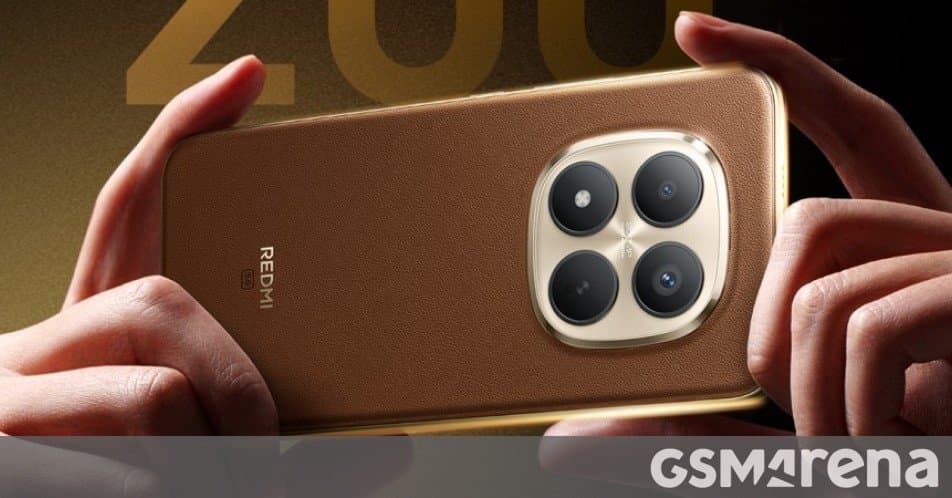
As computational photography reaches maturity, Xiaomi's REDMI Note 15 Pro 5G Series demonstrates how advanced sensor hardware is reclaiming its role as the foundation of smartphone image quality.
In the evolution of smartphone photography, we've witnessed a fascinating pendulum swing. For years, the industry leaned heavily into computational photography—AI algorithms, multi-frame processing, and software magic that could seemingly transform mediocre hardware into impressive results. But as these techniques have become ubiquitous, a new trend is emerging: hardware is making its comeback.
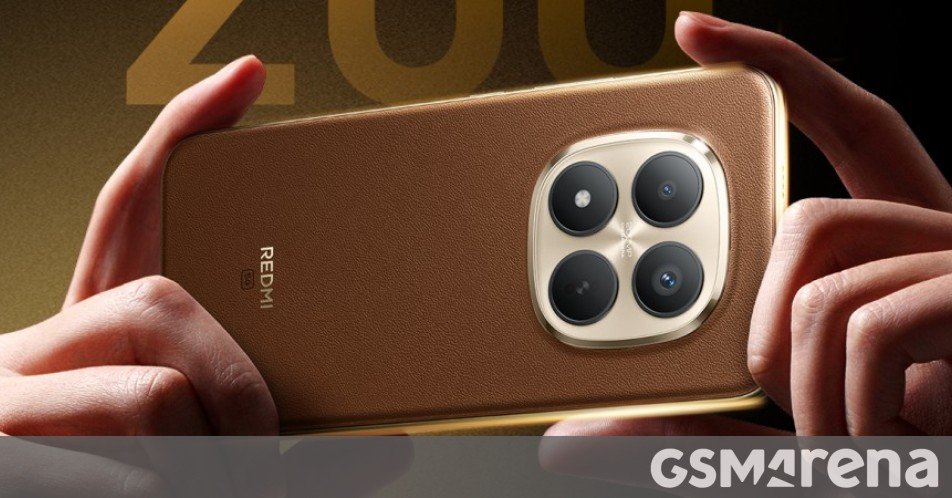
The REDMI Note 15 Pro 5G Series exemplifies this shift perfectly. While many manufacturers continue to chase software solutions, Xiaomi has doubled down on optical fundamentals with its 200MasterPixel camera system. This isn't just marketing speak—it's a deliberate return to the principle that better hardware creates better foundation for any computational enhancements that follow.
The Hardware-First Philosophy
At the core of this approach lies the 200MP HPE image sensor with its substantial 1/1.4-inch size and f/1.65 aperture. These specifications might seem like numbers on a spec sheet, but they translate directly into tangible benefits for photographers. The larger sensor surface area means more light-gathering capability per pixel, while the wide aperture allows for better low-light performance and shallower depth of field when desired.
This hardware foundation matters because it determines the quality of data that software algorithms work with. No amount of computational wizardry can compensate for poor initial capture quality—you can't create detail that wasn't there to begin with.
High-Resolution Photography Reimagined
The 200MP resolution isn't just a number for marketing brochures. It enables genuine optical-level zoom capabilities through in-sensor cropping, offering up to 4× zoom without the typical degradation associated with digital zoom. This proves particularly valuable for travel photography, architectural shots, and any situation where you can't physically move closer to your subject.
What's impressive is how this high resolution maintains detail integrity even when heavily cropped. Where traditional digital zoom often produces soft, artifact-laden results, the 200MasterPixel system preserves edge definition and texture, giving photographers unprecedented flexibility in post-capture composition.
Low-Light Performance: Back to Basics
Low-light photography has been one of computational photography's greatest triumphs, but it's also where hardware limitations become most apparent. The REDMI Note 15 Pro's approach is refreshingly straightforward: capture more light at the source rather than trying to manufacture it later.
The combination of large sensor size and wide aperture means the camera can gather significantly more photons in challenging lighting conditions. This results in images with better shadow detail, reduced noise, and more natural color rendition. Instead of aggressive noise reduction that can smear fine details, the system delivers cleaner results by starting with stronger raw data.
Portrait Photography: Hardware Meets AI
Portrait mode has become a smartphone staple, but quality varies dramatically between devices. The REDMI Note 15 Pro's success in this area stems from its high-resolution depth information, which enables more accurate subject separation and natural-looking background blur.
The system handles complex scenarios well—busy backgrounds, challenging lighting, and subjects with intricate details like hair or transparent objects. This isn't just about applying a software blur; it's about having the resolution and processing power to understand scene depth accurately.
The Complete Photography Experience
What makes this hardware-focused approach truly compelling is how it integrates with software features to create a seamless workflow. Dynamic Shots 2.0 adds context and motion to still images, while built-in editing tools powered by the AI Creativity Assistant streamline post-processing.
Features like AI Remove Reflection and AI Beautify demonstrate how software can enhance rather than compensate for hardware capabilities. These tools work with the high-quality data captured by the sensor, rather than trying to salvage poor-quality input.
Flagship Performance at Accessible Prices
The most significant aspect of the REDMI Note 15 Pro 5G Series might be its positioning. It delivers imaging capabilities that genuinely compete with flagship devices from premium brands, but at a fraction of the cost. This challenges the notion that cutting-edge camera technology requires premium pricing.
In real-world testing, the device holds its own against much more expensive competitors in areas like detail capture, cropping flexibility, and select low-light scenarios. It's not just close—in some situations, it actually surpasses devices costing significantly more.
The Future of Smartphone Photography
The REDMI Note 15 Pro 5G Series represents a maturing understanding in smartphone photography: the best results come from a balanced approach that respects both hardware and software. As computational techniques become standard across the industry, differentiation increasingly comes from having superior capture hardware to work with.
This trend suggests we're entering a new phase where manufacturers will compete on sensor quality, optical engineering, and fundamental imaging physics rather than just software features. For photographers and enthusiasts, this is excellent news—it means better image quality is becoming accessible across all price tiers, not just reserved for flagship devices.
The REDMI Note 15 Pro 5G Series stands as compelling evidence that in the world of smartphone photography, sometimes the most advanced solution is simply to start with better hardware.
Comments
Please log in or register to join the discussion