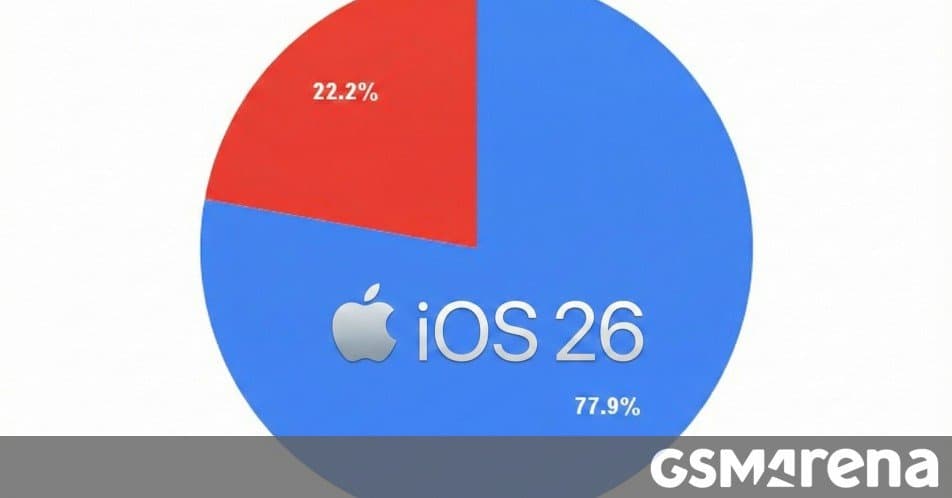
A new survey of 2,000 US iPhone users reveals that 22% haven't upgraded to iOS 26, with battery concerns, automatic update misconceptions, and dislike of the new Liquid Glass design being the top reasons for hesitation.
A comprehensive survey of 2,000 US iPhone users has uncovered the real reasons why millions are holding back from upgrading to iOS 26, despite its availability since September. The findings paint a picture of user hesitation driven by practical concerns and aesthetic preferences rather than simple apathy.
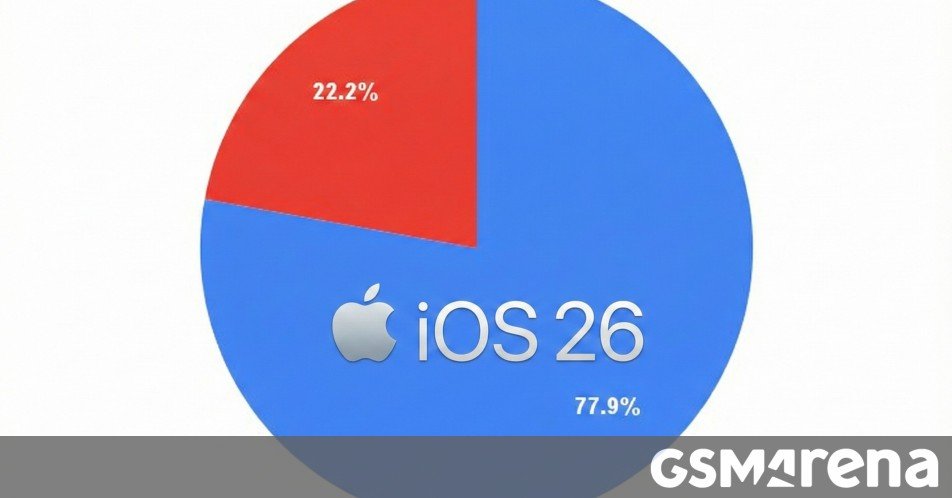
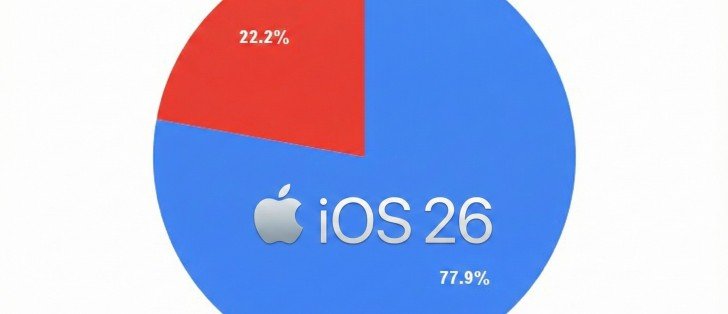
According to the SellCell survey, 22% of iPhone users haven't made the leap to iOS 26, and the reasons are more nuanced than many might expect. The most surprising finding is that the primary reason for not upgrading is simply not knowing about the update at all. This suggests that Apple's notification system for major iOS releases may not be reaching all users effectively, or that many people have become desensitized to update prompts over the years.
Following closely behind is the misconception that iPhones update automatically. This belief, held by a significant portion of users, could stem from Apple's gradual rollout approach, where updates become available over time rather than all at once. However, iOS updates still require user action to install, and this confusion appears to be causing delays in adoption.
Battery life concerns dominate the list of reasons for hesitation, with users worried that iOS 26 might negatively impact their device's endurance. This fear isn't unfounded given Apple's history with iOS updates. Over the years, several major iOS releases have been criticized for causing battery drain issues, leading to a general skepticism among users about the impact of new software on their device's performance.
The new Liquid Glass design, which Apple heavily promoted as a major visual overhaul, is actually causing some users to delay upgrading. While Apple positions this as a modern, sleek redesign, a notable portion of users find it either aesthetically unpleasing or difficult to read. This highlights the subjective nature of design changes and suggests that even well-intentioned visual updates can alienate portions of the user base.
Performance concerns round out the top reasons, with users worried that their iPhones will become slower after updating. This anxiety is particularly pronounced among owners of older iPhone models, who fear that the new features and visual effects might tax their device's hardware beyond comfortable limits.
The survey also revealed interesting patterns in how users approach iOS updates. A significant 61% of users don't update immediately, instead choosing to wait and see if any major issues are reported by early adopters. This cautious approach reflects a learned behavior from past experiences with buggy initial releases, suggesting that Apple's quality control processes may need reinforcement.
Perhaps most tellingly, only 28% of surveyed users claimed to have no concerns about upgrading to iOS 26. This means that a substantial 72% have at least one reservation about the update. The leading concern among these users is battery life degradation, followed by worries about decreased performance. These concerns are particularly noteworthy given Apple's track record with previous iOS versions, where battery and performance issues have been documented.
The survey also uncovered that some users are deterred by the perceived difficulty of reverting to a previous iOS version if they don't like the update. While Apple does make it challenging to downgrade iOS versions, this perception of irreversibility is causing some users to avoid updating altogether rather than risk being stuck with an OS they dislike.
These findings have significant implications for Apple's update strategy and user communication. The fact that a substantial portion of users either don't know about updates or believe they happen automatically suggests a need for clearer, more prominent communication about iOS releases. Additionally, the battery and performance concerns highlight the ongoing challenge Apple faces in balancing new features with maintaining device performance across its diverse iPhone lineup.
The Liquid Glass design controversy also raises questions about Apple's approach to major visual overhauls. While innovation in design is important for keeping the iOS experience fresh, this survey suggests that more gradual, user-tested changes might be preferable to dramatic redesigns that can alienate users.
As iOS 26 continues its rollout, these insights provide valuable context for understanding user behavior and concerns. They suggest that Apple may need to address not just the technical aspects of its updates, but also how it communicates about them and manages user expectations around design changes and performance impacts.
The survey results also serve as a reminder that even in Apple's tightly controlled ecosystem, user choice and preference play crucial roles in technology adoption. The fact that millions are choosing to stick with older iOS versions despite the availability of new features underscores the importance of respecting user autonomy and addressing their legitimate concerns in software development and release strategies.
Comments
Please log in or register to join the discussion