Finland launches new maritime surveillance center to monitor Baltic Sea after string of undersea cable incidents, amid concerns over Russian shadow fleet operations.
Finland is establishing a dedicated maritime surveillance center to monitor the Baltic Sea following a series of suspicious undersea cable incidents that have raised alarms about potential sabotage operations. The Nordic nation's decision comes after at least seven major infrastructure incidents involving sea vessels since 2023, with the most recent occurring just weeks ago on December 31, 2025.
Growing Threat to Critical Infrastructure
The Baltic Sea has become a hotspot for undersea cable incidents, with Finland experiencing an alarming frequency of disruptions to its telecommunications infrastructure. These incidents are particularly concerning given their potential to sever entire countries from internet connectivity with a single cut.
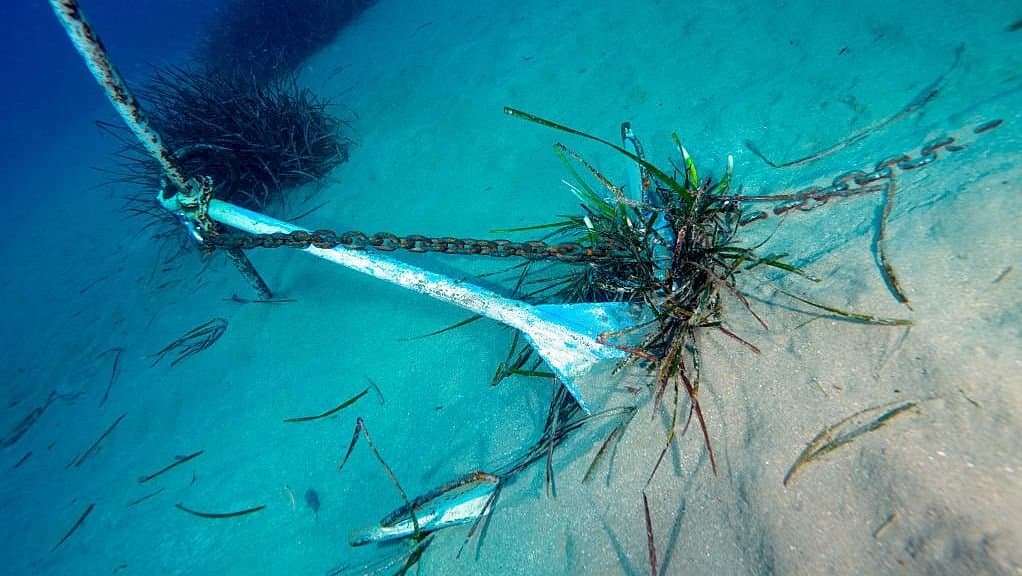
The most dramatic incident occurred on Christmas 2024, when an oil tanker dragged a cable for more than 66 miles (106 km) before Finnish special forces boarded the vessel. This event highlighted the vulnerability of critical undersea infrastructure and the challenges of monitoring vast maritime areas.
Russia's Shadow Fleet Raises Suspicions
The suspicious nature of these incidents has led to speculation about deliberate sabotage, particularly given Russia's apparent use of a "shadow fleet" of oil tankers. These vessels are allegedly registered under numerous "convenience flags" from countries with no historic connection to the Baltic Sea, including Gabon, Cameroon, Palau, Cook Islands, Panama, and the Marshall Islands.
This practice of flag-hopping makes it difficult to track vessel ownership and intentions, creating a perfect cover for potential covert operations. The timing of these incidents, amid the ongoing Russo-Ukrainian war, has only heightened concerns about state-sponsored sabotage.
Strategic Importance of the Baltic Sea
The Baltic Sea's strategic significance cannot be overstated. It serves as Russia's only direct access to the Atlantic Ocean via St. Petersburg, one of the region's major ports. The area sees intense maritime traffic, with approximately 9.4 million ferry passengers annually crossing between North-South and East-West routes.
Winter conditions add another layer of complexity, as ice formation in portions of the sea creates additional navigational challenges and potential hazards for undersea infrastructure.
Finland's Multi-Layered Response
The new maritime surveillance center represents Finland's comprehensive approach to protecting its critical infrastructure. According to Mikko Hirvi from the Finnish Border Guard, the initiative includes several key components:
- Seabed sensors: Advanced monitoring equipment deployed on the ocean floor to detect unusual activity
- AI-infused real-time analysis: Artificial intelligence systems to process maritime traffic data and identify potential threats
- Improved vessel information exchange: Enhanced coordination with allies to share information about suspicious ships
These features will be implemented gradually, building upon the Border Guards' existing capabilities. The initiative is being developed in cooperation with other Baltic Sea coastal nations and the European Commission, which proposed securing the region's submarine cables in February 2024.
Recent Incident Highlights Ongoing Vulnerability
The latest cable incident on December 31, 2025, involved the vessel Fitburg, traveling from St. Petersburg to Haifa under the flag of Saint Vincent and the Grenadines. The ship somehow damaged a cable connecting Finland to Estonia, demonstrating that despite increased awareness, the threat remains active.

Broader Implications for European Security
Finland's response reflects a growing recognition across Europe that undersea infrastructure requires dedicated protection. The European Commission's involvement signals that this is not just a national security issue but a continental concern.
The combination of increased maritime traffic, strategic importance, and the emergence of shadow fleets creates a perfect storm of vulnerabilities that require sophisticated monitoring and rapid response capabilities.
Technological Solutions to Maritime Threats
The implementation of AI for real-time maritime traffic analysis represents a significant advancement in coastal surveillance. These systems can process vast amounts of data to identify patterns that might indicate suspicious behavior, such as vessels loitering near critical infrastructure or exhibiting unusual navigation patterns.
Seabed sensors add another layer of protection, providing direct monitoring of the physical infrastructure itself. When combined with improved information sharing between allied nations, these technologies create a comprehensive defense against potential sabotage.
Looking Forward
As Finland builds out its maritime surveillance capabilities, other Baltic Sea nations are likely to follow suit. The success or failure of this initiative could set a precedent for how European nations protect their critical undersea infrastructure in an era of hybrid warfare and strategic competition.
The challenge remains balancing the need for security with the realities of legitimate maritime traffic in one of the world's busiest shipping regions. Finland's approach of gradual capability building, international cooperation, and technological innovation may provide a model for other nations facing similar threats.
Comments
Please log in or register to join the discussion