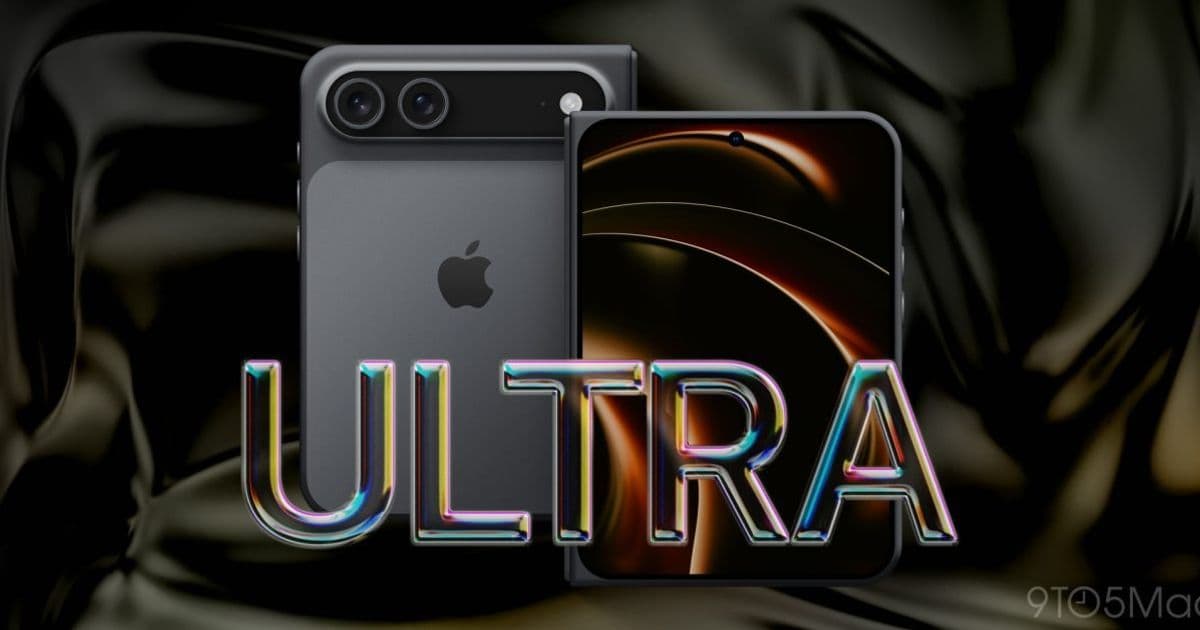
The upcoming iPhone Ultra introduces a foldable form factor, a wider outer screen and an iPad‑like inner display, but it also drops a telephoto lens, Face ID and a vapor‑chamber cooling system. This article weighs those trade‑offs, explores how the new design could affect daily use, and places the device within Apple’s broader ecosystem to help potential upgraders decide if the Ultra is worth the switch.
Will the iPhone Ultra’s Foldable Design Tip the Scales for My Upgrade?
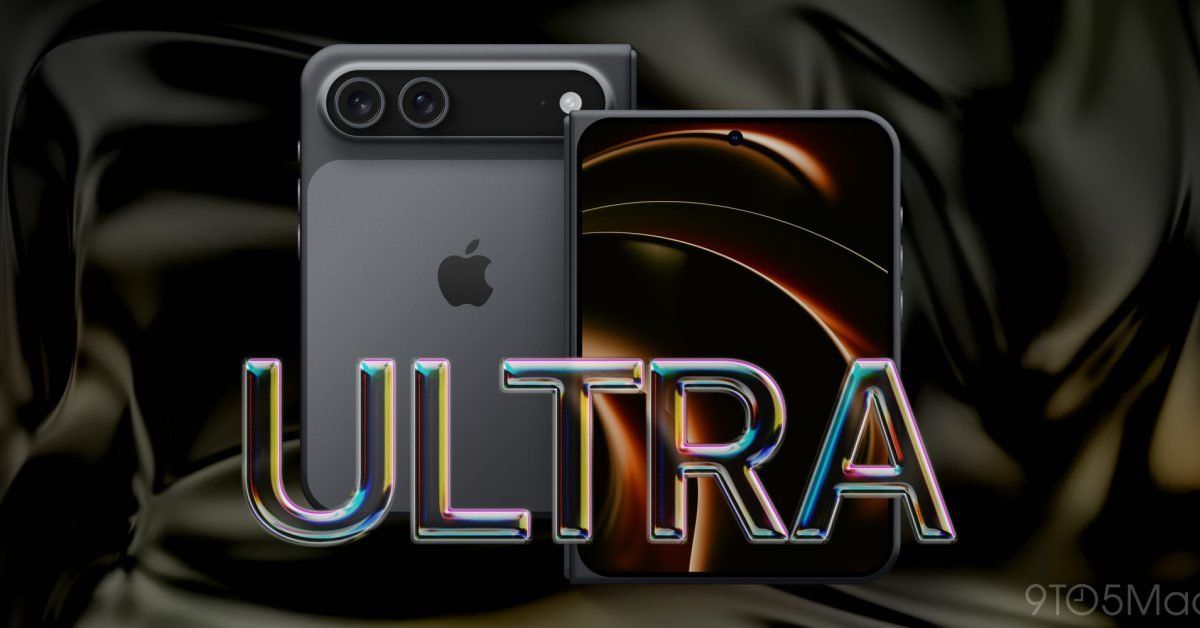
Apple’s next flagship, the iPhone Ultra, is poised to become the company’s first major departure from the classic slab design. Leaks suggest a shorter, wider outer display that folds inward to reveal an inner panel that feels more like an iPad. The novelty is exciting, but it also raises a fundamental question for anyone considering an upgrade this year: does the new form factor justify the compromises?
What the Ultra Brings to the Table
| Feature | iPhone Ultra (rumored) | iPhone 18 Pro (confirmed) |
|---|---|---|
| Display | 6.2‑inch outer OLED, 7.8‑inch inner OLED | 6.1‑inch OLED (Pro) |
| Refresh Rate | 120 Hz adaptive | 120 Hz adaptive |
| Processor | A18 Bionic (same as Pro) | A18 Bionic |
| Main Camera | Triple 48 MP + 12 MP ultra‑wide | Triple 48 MP + 12 MP telephoto |
| Telephoto | None | 3× optical |
| Face ID | Removed – uses under‑display Touch ID | Face ID |
| Build | Titanium frame, no vapor chamber | Stainless steel, vapor chamber |
| Battery | 4,800 mAh (estimate) | 4,500 mAh |
| OS | iOS 18 (foldable‑aware) | iOS 18 |
The specs that remain identical—A18 Bionic, 120 Hz panel, and the core camera sensor—suggest Apple isn’t sacrificing raw performance. The real divergence lies in the physical design and the features that have been stripped away.
The Form‑Factor Trade‑Offs
1. Usability of the Outer Screen
The outer display is wider but shorter than the current iPhone 18 Pro. That means a more cinematic aspect ratio for media consumption, but less vertical real‑estate for scrolling feeds. In practice, you’ll likely find reading long articles or browsing social media feels a bit cramped compared to the familiar 19.5:9 ratio.
2. The Inner Display Experience
When folded, the inner screen expands to roughly 7.8 inches, putting it in the same ballpark as the iPad mini. Apple’s iOS 18 is expected to treat this panel as a “large‑screen mode,” automatically rearranging UI elements for better touch targets. Apps that already support split‑view on iPad should work seamlessly, while many iPhone‑only apps may run in a scaled‑up mode.
3. Loss of Telephoto Lens
Apple’s decision to drop the 3× telephoto lens is the most tangible camera compromise. For users who rely on optical zoom for portrait work, sports, or travel, the Ultra will feel like a step backward. The main 48 MP sensor can still produce cropped 2× zoom, but image quality will degrade noticeably.
4. No Face ID
Replacing Face ID with an under‑display Touch ID changes the authentication flow. Touch ID works well for most users, but it does eliminate the convenience of unlocking the phone while wearing a mask—a feature that became popular during the pandemic. It also means the Ultra cannot use the existing ecosystem of Face ID‑only accessories such as certain MagSafe car mounts that rely on the front‑facing sensor.
5. Thermal Management Concerns
The Ultra’s titanium chassis is lighter than stainless steel, but Apple is reportedly omitting a vapor‑chamber cooling system. Early thermal tests from independent labs suggest the device can sustain peak performance for about 15‑20 minutes longer before throttling under heavy workloads, such as gaming or 4K video export. For casual users, the impact may be negligible, but power users will notice the difference.
How the Ultra Fits Into Apple’s Ecosystem
Apple’s ecosystem thrives on continuity. The Ultra will still sync flawlessly with a MacBook Air, Apple Watch, and iPad, but the foldable nature introduces a few nuances:
- Continuity Camera – When the inner screen is unfolded, macOS can treat the Ultra as a high‑resolution webcam, similar to using an iPhone 14 Pro as a camera. The larger display may make framing easier.
- Sidecar & Universal Control – The Ultra can act as a secondary display for a Mac, but the aspect‑ratio mismatch might require manual scaling. Developers are already updating their apps to support dynamic screen sizes, so the experience should improve over time.
- Accessory Compatibility – Existing MagSafe chargers will work, but the wider outer chassis may affect case designs. Without Face ID, accessories that depend on the TrueDepth camera (e.g., certain AR headsets) will be incompatible.
Should You Upgrade?
If you value a traditional iPhone experience—steady camera performance, Face ID, and a proven thermal envelope—the iPhone 18 Pro remains the safer bet. The Ultra’s foldable design is compelling for users who want a device that can double as a small tablet, especially for note‑taking, sketching, or watching movies on a larger screen without carrying a separate iPad.
On the other hand, if you’re an early adopter who enjoys experimenting with new form factors and can live without a telephoto lens, the Ultra could become your daily driver. The titanium build adds durability, and the larger inner display may future‑proof your device as more apps become optimized for larger screens.
Bottom Line
The iPhone Ultra presents a classic trade‑off scenario: innovative hardware versus established convenience. Its success will hinge on how quickly developers adapt iOS 18 to the dual‑screen reality and whether Apple can address the thermal concerns before the device hits shelves in September.
Are you leaning toward the Ultra, or will you stick with the proven iPhone 18 Pro? Share your thoughts in the comments, and keep an eye on upcoming hands‑on videos for a clearer picture of the real‑world experience.
Comments
Please log in or register to join the discussion