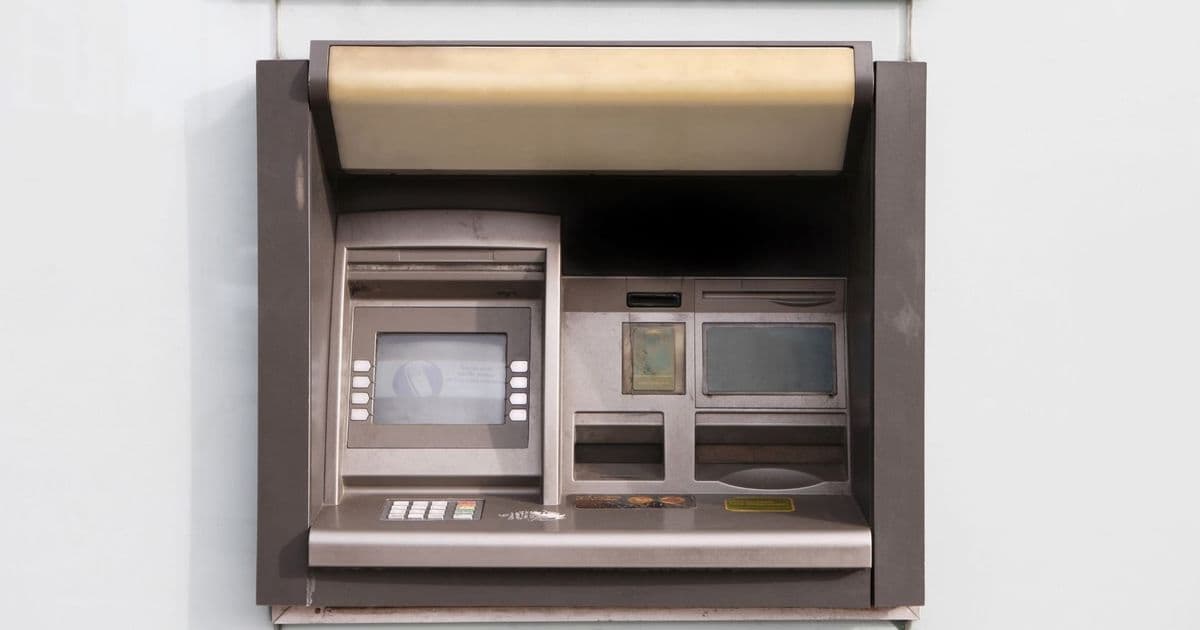
A malfunctioning ATM in the Philippines displayed a Windows 7 login screen instead of the standard PIN entry interface, revealing that critical financial infrastructure still relies on an operating system that lost all support from Microsoft in 2020. The incident highlights systemic vulnerabilities in banking hardware supply chains and raises questions about the operational security of legacy systems in high-stakes environments.
A routine cash withdrawal attempt turned into a technical anomaly when an ATM in the Philippines failed to display its standard interface. Instead, customers were greeted with a Windows 7 login screen, complete with fields for a username and password—a stark departure from the PIN-based authentication expected at any automated teller machine. The incident, documented by Jowi Morales and reported by Tom's Hardware, reveals a critical failure in the operational security of financial infrastructure.
The Technical Breakdown
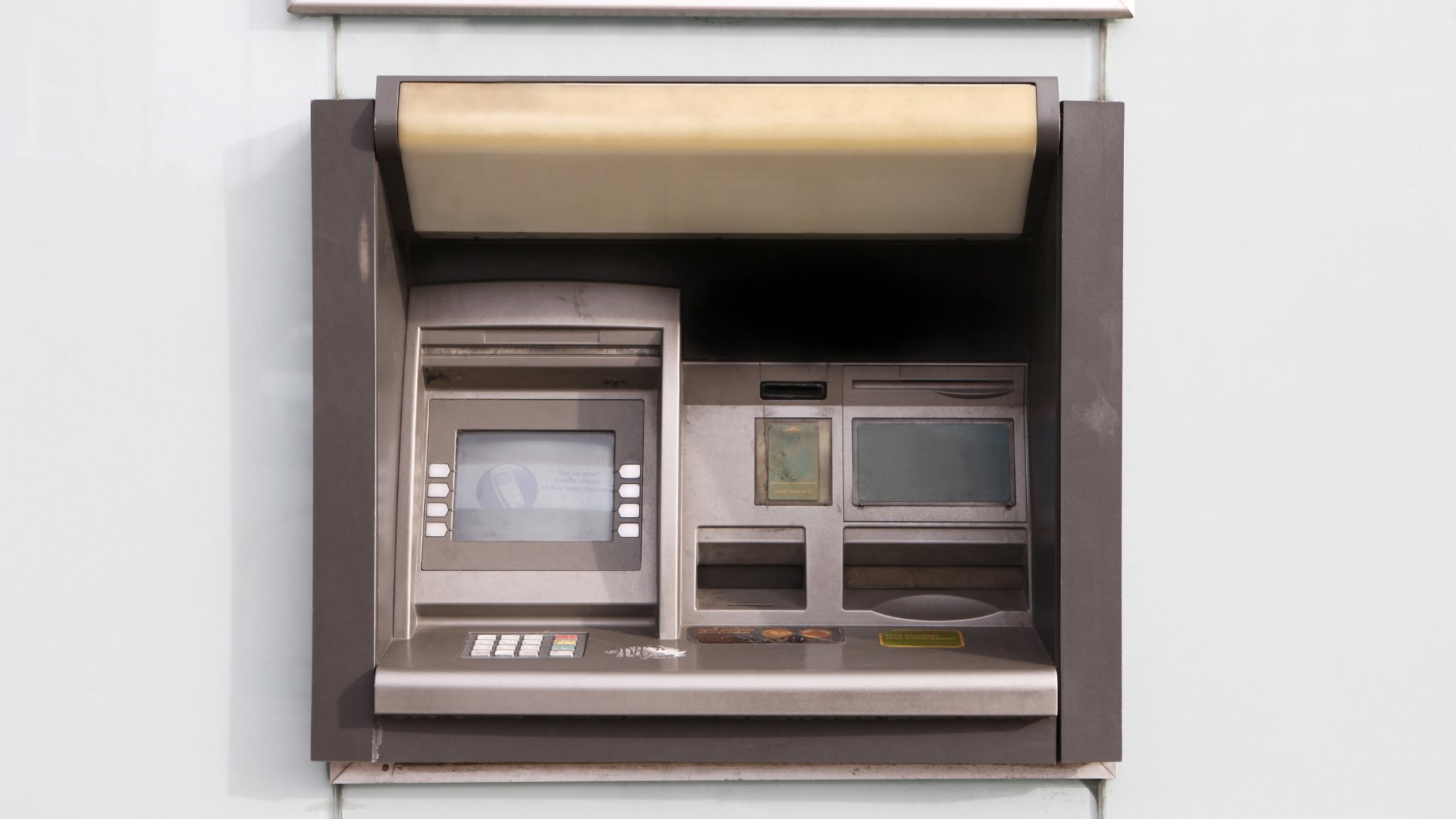
ATMs run on specialized software stacks that interface with hardware components like card readers, cash dispensers, and secure cryptographic modules. The user-facing interface is typically a locked-down application that runs on top of an operating system, often a customized version of Windows or Linux. In this case, the underlying Windows 7 environment became visible due to a software crash or an incomplete update process.
Windows 7, launched in 2009, was Microsoft's response to the widely criticized Windows Vista. It offered improved performance, stability, and user experience, making it one of the most popular Windows versions ever released. However, its lifecycle ended in two phases:
- Mainstream support ended in January 2015
- Extended support ended in January 2020
This means no security patches, no feature updates, and no technical support from Microsoft for over four years. Yet, the operating system persists in critical systems due to the long lifecycle of hardware and the complexity of upgrading embedded systems.
Why ATMs Still Run Legacy Operating Systems
The banking industry faces unique challenges when updating ATM software:
Hardware Longevity: ATMs are designed to operate for 10-15 years. Many machines deployed during the Windows 7 era (2009-2012) are still in service today.
Certification Requirements: ATM software must be certified by financial regulators and payment networks (Visa, Mastercard, etc.). This process can take 12-18 months, making frequent OS upgrades prohibitively expensive.
Third-Party Dependencies: ATM software is typically provided by specialized vendors like Diebold Nixdorf, NCR, or Hyosung. These vendors must adapt their software to new OS versions, creating a bottleneck in the upgrade cycle.
Security vs. Stability Trade-off: Banks prioritize system stability over cutting-edge features. An untested OS upgrade could cause widespread outages, which are more damaging than the theoretical risk of running an outdated OS.
The Supply Chain Context
The incident likely stems from a third-party update or a software crash that forced a reboot. Most ATMs run a minimal Windows installation with kiosk software that hides the desktop environment. When this software fails—due to a bug, corrupted update, or hardware fault—the underlying OS can become visible.
This isn't an isolated problem. Security researchers have documented multiple instances of ATMs running outdated operating systems:
- 2016: Researchers demonstrated how to compromise ATMs running Windows XP by inserting a USB drive
- 2018: A study found that 95% of ATMs in some regions still ran Windows XP or Windows 7
- 2021: The FBI warned of ransomware targeting ATMs running Windows 7
Market Implications and Industry Response
The financial industry has been gradually migrating to newer platforms:
- Windows 10 IoT Enterprise: The current standard for new ATM deployments, offering extended support until 2029
- Linux-based solutions: Some banks are adopting Linux to avoid Microsoft's licensing costs and lifecycle constraints
- Cloud-connected ATMs: Newer models use secure cloud connections for real-time updates and monitoring
However, the transition is slow. According to industry estimates, approximately 30% of ATMs globally still run Windows 7 or earlier, representing millions of machines. The cost of replacing a single ATM ranges from $20,000 to $50,000, making full replacement impractical for many banks.
Security Risks and Mitigation
Running an unsupported OS on a networked financial device creates multiple vulnerabilities:
- Unpatched Exploits: Any new vulnerability discovered after January 2020 will never be patched by Microsoft
- Malware Targeting: Attackers specifically target legacy systems knowing they lack security updates
- Compliance Violations: Many financial regulations require systems to receive security updates
Banks mitigate these risks through:
- Network Segmentation: Isolating ATMs from the broader internet
- Application Whitelisting: Allowing only approved software to run
- Enhanced Monitoring: Detecting unusual behavior that might indicate compromise
- Physical Security: Restricting physical access to ATM internals
The Human Element
The visible login screen indicates that the ATM's kiosk software completely failed. This could happen due to:
- A failed software update that corrupted system files
- A hardware fault (failing hard drive or memory)
- A power interruption during an update process
- Malware that disabled the kiosk software
In any case, the machine should have automatically entered a maintenance mode or displayed an error message rather than revealing the underlying OS. This suggests inadequate error handling in the ATM's software design.
Looking Forward
The industry is moving toward more secure, modern architectures:
- Windows 10/11 IoT: Microsoft's current embedded OS with 10-year support cycles
- Containerized Applications: Running ATM software in isolated containers for better security
- Zero-Trust Architecture: Assuming no device is inherently secure
- Remote Management: Cloud-based monitoring and update systems
However, the transition will take years. Until then, incidents like this will continue to surface, serving as public reminders of the hidden technological debt in our financial infrastructure.
For banks and ATM operators, the message is clear: proactive migration planning is essential. The cost of upgrading is far less than the potential cost of a security breach or widespread system failure. For consumers, it's a reminder that even seemingly modern technology can have decades-old foundations.
This incident was reported by Jowi Morales, a contributing writer for Tom's Hardware with years of experience in the tech industry.
Comments
Please log in or register to join the discussion