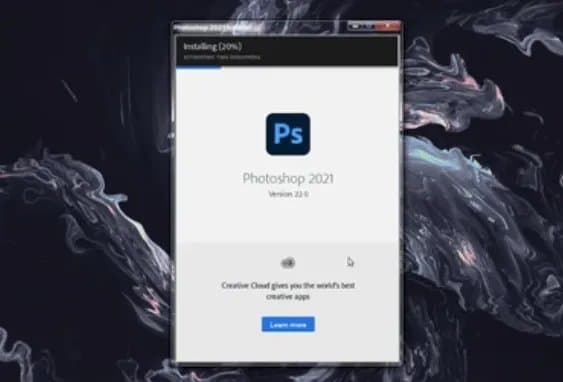
Wine-Staging 11.2 brings crucial updates for Adobe Photoshop users on Linux, including IXMLSerializer implementation and VKD3D updates, while dropping outdated CUDA support patches.
Wine-Staging 11.2 has been released, bringing a fresh batch of patches aimed at improving Adobe Photoshop and other Windows applications on Linux. This bi-weekly update continues the project's work on enhancing the Adobe Creative Cloud experience for Linux users, building upon the progress made in Wine-Staging 11.1.
Enhanced Adobe Photoshop Support
The most significant development in this release is the continued refinement of Adobe Photoshop support. Recent patches have successfully enabled the Adobe Photoshop 2025 installer to work on Linux, with the application functioning properly under Wine after installation. While these patches haven't yet been merged into the mainline Wine codebase, they've been integrated into Wine-Staging 11.1 and further improved in the 11.2 release.
Wine-Staging 11.2 introduces an IXMLSerializer implementation for MSHTML, along with support for embedded XML declarations inside elements for the xml2 code. This complements the MSHTML3 and MSXML3 work from the previous version, forming part of a comprehensive effort to improve Microsoft component support in Wine.
Technical Updates and Changes
The release also pulls in the latest VKD3D code, ensuring better DirectX 12 support for Windows games running through Wine. However, the update comes with some notable removals. Several outdated patches have been dropped, particularly those conflicting with the PE/Unix split that's causing significant changes in Wine's architecture.
One of the most impactful removals is the "NVCUDA" CUDA support patch. According to the release notes, this patch has been disabled for some time due to the PE/Unix split and would require a complete rewrite to function with the new architecture. The situation is further complicated by NVIDIA's use of private, undocumented interfaces in nvcuda that cannot be trivially passed through. The Wine team requires NVIDIA's cooperation and documentation to properly implement CUDA support upstream, but so far the company hasn't provided the necessary information.
Impact on Users
For Linux users running Adobe Photoshop through Wine, these updates represent meaningful progress toward a more stable and feature-complete experience. The continued focus on MSHTML and related components suggests that web-based installers and applications that rely on these technologies should see improved compatibility.
The removal of the CUDA support patch may affect users who were relying on GPU acceleration for certain applications, though the patch had been disabled for some time. The Wine team's decision to drop it rather than maintain non-functional code reflects their commitment to keeping the codebase clean and maintainable.
Looking Forward
Wine-Staging continues to serve as an experimental testing ground for patches that may eventually make their way into the mainline Wine codebase. The project's bi-weekly release schedule ensures that users have access to the latest improvements and can test new features before they're considered stable.
The ongoing work on Adobe Photoshop support demonstrates the Wine community's commitment to making professional creative software accessible on Linux. As these patches continue to mature and potentially move upstream, Linux users may find themselves with increasingly viable alternatives to running Windows for their creative workflows.
For those interested in testing these improvements, Wine-Staging 11.2 is available now through the project's distribution channels. Users should be aware that as a staging version, it may contain experimental features that could affect stability, making it more suitable for testing than production environments.
The continued development of Wine-Staging highlights the growing demand for Windows application compatibility on Linux platforms. As more users seek alternatives to traditional operating systems, projects like Wine play a crucial role in bridging the software compatibility gap and expanding the viability of Linux as a desktop platform for professional users.
Comments
Please log in or register to join the discussion