
Sony's new AI Camera Assistant for the Xperia 1 VIII faces significant criticism as photography enthusiasts claim the AI-enhanced photos look worse than the original images. The controversy has drawn attention from industry leaders including Nothing CEO Carl Pei.
Sony's latest flagship smartphone, the Xperia 1 VIII, has launched with much fanfare, but not for the reasons the Japanese tech giant might have hoped. The center of attention is the new AI Camera Assistant feature, which has sparked a significant backlash from photography enthusiasts and industry professionals alike. The controversy erupted when Sony shared comparison photos showing the difference between standard shots and those processed through the new AI Camera Assistant.
What's New with the Xperia 1 VIII AI Camera Assistant
The AI Camera Assistant is marketed as a feature that "brings stories to life" by using subject, scene, and weather analysis to suggest "expressive options" with adjustments to color, exposure, bokeh, and lens settings. According to Sony, the feature is designed to "inspire your inner photographer" with "effective settings" that help "your creativity surge."
The feature is positioned as an optional tool within the Xperia 1 VIII's camera interface, similar to Apple's Photographic Styles, offering users stylistic filter-like options to enhance their photos. Sony emphasizes that users can turn this feature off if they prefer the standard camera processing.
How It Compares to the Competition
When compared to other flagship smartphones' AI photography features, Sony's approach seems to be taking a different path. Competitors like Google's Pixel series and Apple's iPhones have focused on enhancing photos in ways that most users would consider improvements—improving dynamic range, reducing noise, and enhancing detail while maintaining natural-looking results.
The AI Camera Assistant appears to be taking more aggressive artistic liberties with image processing, which has contributed to the negative reception. Photography enthusiasts have pointed out that the AI-enhanced samples show visible overexposure, reduced vibrancy, and decreased dynamic range compared to the original images.
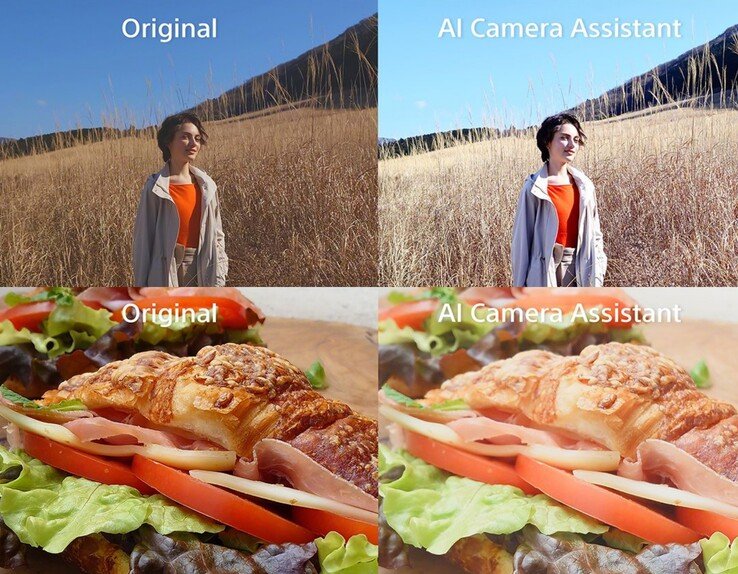 Photography enthusiasts believe the "before" images look like what the "after" photos should've looked like.
The Backlash and Industry Response
The backlash was immediate and widespread on social media platforms, particularly X (formerly Twitter). Users were quick to point out that the "before" photos in Sony's comparison actually appeared superior to the AI-enhanced "after" versions. This led to numerous memes and jokes about Sony's new feature, with many users sharing "before and after" samples where they intentionally overexposed their photos "thanking" Sony's AI Camera Assistant for "making photos pop."
Nothing CEO Carl Pei entered the conversation by reposting Sony's photos and asking if this was "engagement farming," suggesting that Sony might have intentionally shared subpar AI-enhanced photos to generate controversy and discussion, thereby increasing engagement with their new product.
Several theories have emerged about what went wrong:
- Sony may have mislabeled the comparison samples, accidentally swapping "before" and "after"
- The AI processing might have a bug causing the poor results
- The feature might be intentionally applying extreme artistic effects that don't align with most users' preferences
Notably, the same comparison samples that drew criticism are present on Sony's official website, making the mislabeling theory less likely unless the error was replicated across multiple platforms.
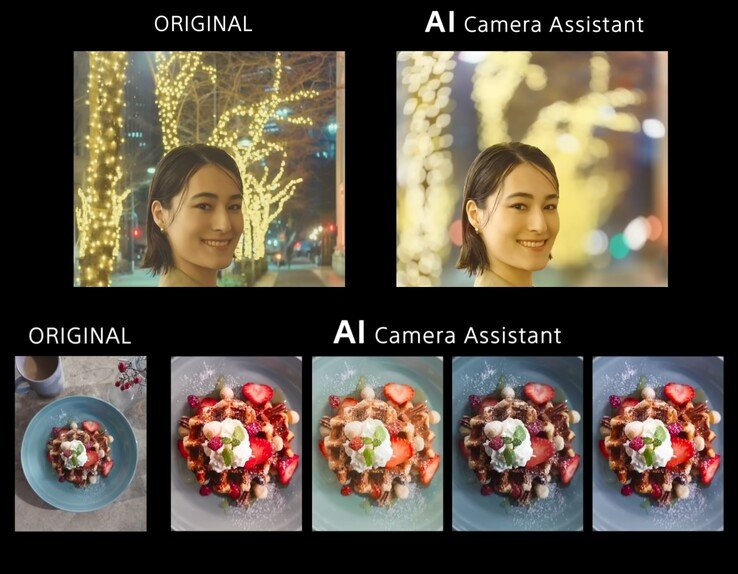 According to Sony, the AI Camera Assistant's idea is to help "your creativity surge".
Who Is the Xperia 1 VIII For?
Despite the controversy surrounding the AI Camera Assistant, the Xperia 1 VIII still has several features that make it an attractive option for specific users:
Photography enthusiasts: The phone retains Sony's renowned camera capabilities with manual controls, allowing users to bypass the AI processing and capture photos with traditional settings.
Professional users: The Xperia line has traditionally appealed to professionals who value the manual controls, color accuracy, and video capabilities that Sony offers.
Android purists: Sony's relatively clean Android implementation without heavy customization appeals to users who prefer a more stock Android experience.
Xperia ecosystem loyalists: Users who have invested in Sony's ecosystem and appreciate the consistency across devices.
Technical Analysis of the AI Camera Assistant
From a technical perspective, the AI Camera Assistant appears to use machine learning models trained to identify subjects, scenes, and environmental conditions. Based on these identifications, the system applies specific adjustments:
Color processing: The AI seems to be increasing saturation in certain areas while potentially reducing it in others, leading to the criticized "low vibrance" appearance in some samples.
Exposure adjustments: The system appears to be making significant exposure changes, sometimes resulting in overexposed highlights as seen in the criticized samples.
Dynamic range compression: Rather than expanding the dynamic range as most competitors aim to do, Sony's AI seems to be compressing it, potentially to create a more "dramatic" look.
Bokeh simulation: The AI likely attempts to simulate background blur, though the effectiveness of this simulation would depend on the quality of the depth mapping algorithms.
What This Means for Potential Buyers
For those considering the Xperia 1 VIII, the AI Camera Assistant controversy highlights an important consideration: smartphone photography has evolved to the point where AI processing significantly impacts the final image. While Sony's feature can be disabled, the incident raises questions about the company's AI photography direction compared to competitors.
Potential buyers should:
- Test the camera in person if possible, paying particular attention to the AI processing results
- Consider whether they prefer more natural processing or more stylized AI enhancements
- Evaluate whether the manual camera controls meet their needs, allowing them to bypass AI processing entirely
- Look for potential firmware updates that might address the processing issues identified in the initial samples
The Road Ahead for Sony's AI Photography
As of this writing, Sony has not responded to the criticism or taken down the controversial comparison post. The company may address the concerns through a firmware update that refines the AI Camera Assistant's processing algorithms or through additional clarification about the feature's intended purpose.
The incident also highlights the challenges smartphone manufacturers face when introducing AI-powered features. As AI becomes increasingly central to smartphone photography, companies must balance artistic expression with user expectations of quality and natural-looking results.
For the Xperia 1 VIII, the controversy surrounding the AI Camera Assistant may ultimately be a minor setback in an otherwise strong product lineup. Photography enthusiasts who value manual control and Sony's color science may still find the phone appealing, especially if they can disable or work around the AI processing when desired.
As smartphone photography continues to evolve, the industry will be watching to see how Sony responds to this criticism and adjusts its AI photography approach in future updates and product releases.
Comments
Please log in or register to join the discussion