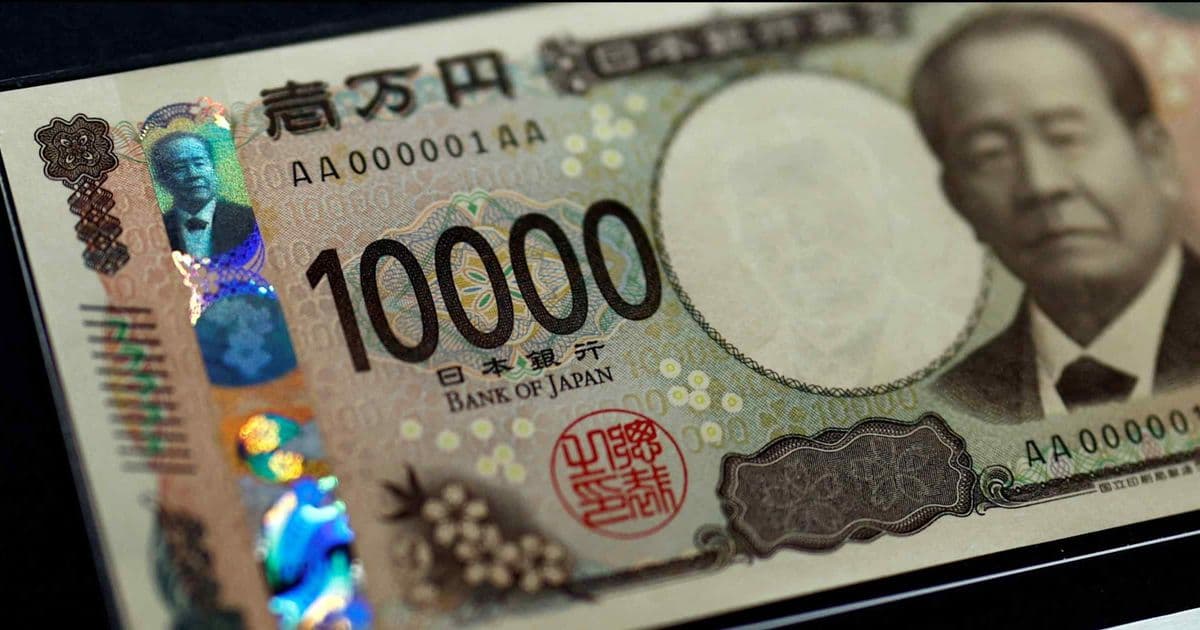
The Japanese yen surged to its strongest level in six weeks against the US dollar, reaching ¥154 amid speculation about potential currency market intervention following reports of Federal Reserve rate checks.
The Japanese yen strengthened significantly against the US dollar in early Asian trading Monday, reaching ¥154 per dollar for the first time since December 17. This marks the currency's strongest position in approximately six weeks, driven by market speculation about potential coordinated intervention by Japanese and US monetary authorities.
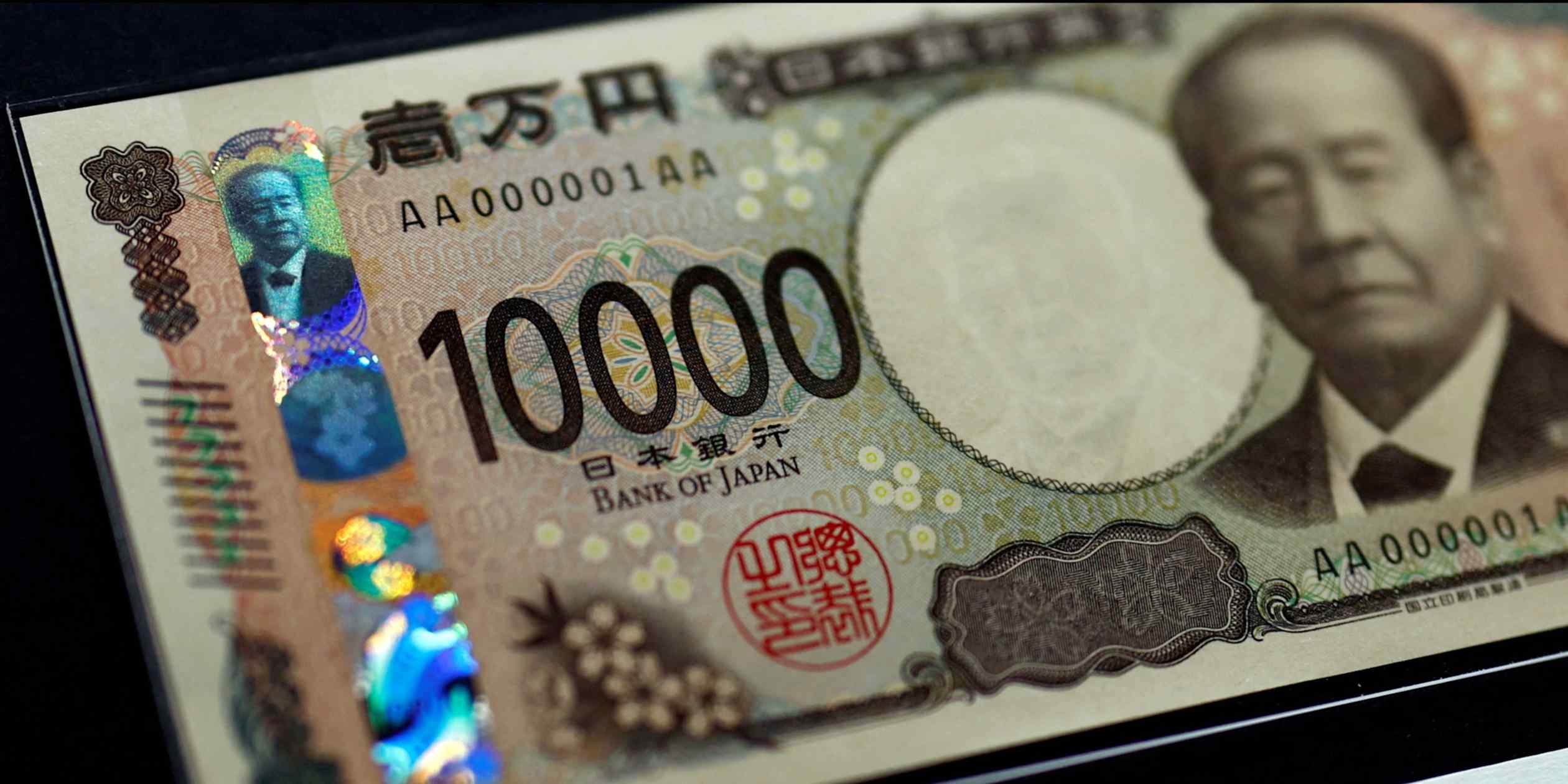
Market movements followed weekend reports that the US Federal Reserve had conducted "rate checks" - a preliminary step where central banks survey market participants about exchange rate levels. These checks typically precede formal intervention when authorities determine currency movements have become disorderly or economically destabilizing. The yen gained 0.8% against the dollar in early Tokyo trading before settling around ¥154.50.
The yen's recent weakness stems from the widening interest rate differential between Japan and the United States. While the Federal Reserve maintained its benchmark rate at 5.25%-5.50% following its latest meeting, the Bank of Japan continues its ultra-loose monetary policy with short-term rates at -0.1%. This policy divergence has pressured the yen downward, increasing import costs for resource-poor Japan and contributing to persistent inflation.
Currency intervention remains a sensitive tool in global finance. Japan last intervened in October 2022 when the yen weakened beyond ¥150 to the dollar, spending approximately ¥6.3 trillion ($42 billion at current rates) to support its currency. Effective intervention typically requires coordination between central banks, making the Federal Reserve's involvement crucial for impactful market movement.
Market analysts note that while verbal intervention from Japanese officials has increased in recent weeks, actual market moves require substantial capital deployment. "The ¥154 level represents a psychological barrier," noted currency strategist Kenji Yamamoto. "But sustained reversal requires either concrete intervention or fundamental policy shifts. The rate check signals concern, but traders will watch for actual orders hitting the market."
The timing coincides with mounting pressure on Japanese policymakers as the country's 10-year government bond yield recently climbed above 2.2%, reaching its highest level in 27 years. Rising yields increase government borrowing costs while a weaker yen complicates the Bank of Japan's efforts to normalize monetary policy without destabilizing markets.
Comments
Please log in or register to join the discussion