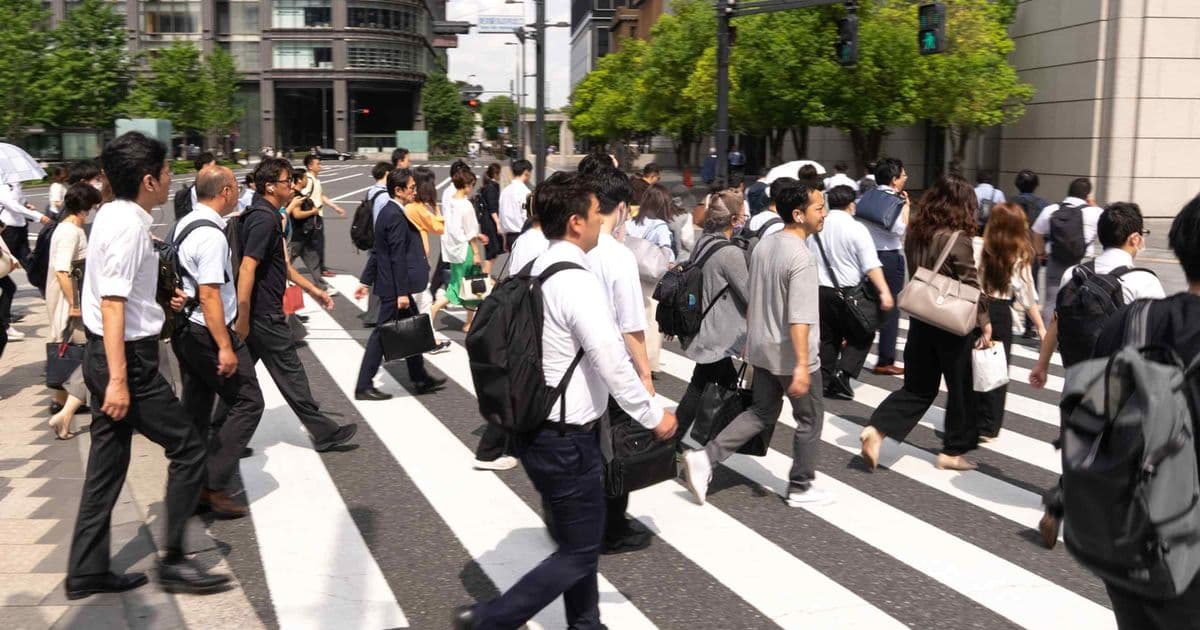
Japan’s 2025 census shows 13 of its 20 major cities losing residents, with Yokohama and Hiroshima slipping below their post‑World War II peaks. The trend reflects a broader migration to Tokyo, a falling birth rate and tightening labor markets, raising questions for municipal finance, real‑estate pricing and regional revitalisation policies.
Urban Japan’s New Demographic Reality
The 2025 national census released on May 30, 2026 reveals that 13 of Japan’s 20 designated cities recorded a net population loss. Among them, Yokohama (the country’s second‑largest metropolis) and Hiroshima fell below the population levels they held after the war’s reconstruction boom. Both cities logged declines of roughly 0.8 % and 1.1 % respectively, translating to a loss of about 120,000 residents in Yokohama and 45,000 in Hiroshima compared with the 2020 count.
“Tokyo was one of only two prefectures to post growth, underscoring a growing concentration of people in the capital region,” noted the census analysis.
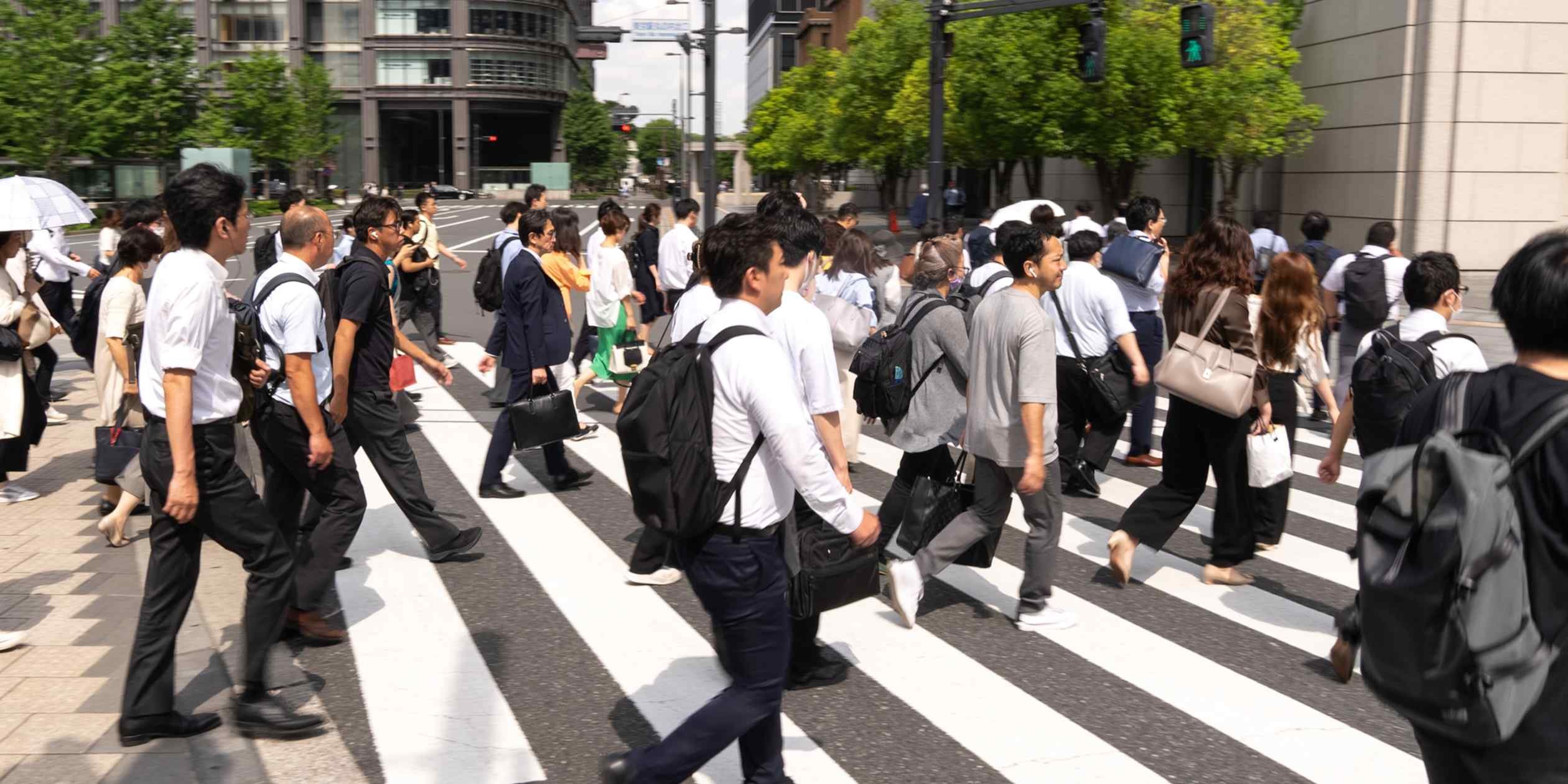
Market Context: From Rural Exodus to Intra‑Urban Migration
Historically, Japan’s demographic challenges have been framed as a rural‑to‑urban shift, with younger workers abandoning farming towns for the job markets of Tokyo, Osaka and Nagoya. The latest data suggests the pattern is now intra‑urban: smaller‑to‑mid‑size cities are losing residents even as the megacity continues to attract migrants.
- Birth rate pressure – The number of births fell to 845,000 in 2025, the tenth consecutive year of decline, pushing the natural population change into negative territory nationwide.
- Aging cohort – Over 28 % of the national population is now 65 or older, a proportion that is higher in Yokohama (30 %) and Hiroshima (31 %).
- Labor market dynamics – While Japan’s overall employment rate for new graduates remains near‑record highs (≈ 99 % in Q1 2026), firms in declining cities report difficulty filling mid‑level positions, prompting a reliance on foreign‑worker quotas that are nearing their caps.
Strategic Implications for City Governments and Investors
Fiscal Pressure
Municipal budgets in Japan are heavily dependent on population‑linked tax revenues (resident tax, property tax). A 1 % dip in residents can shave ¥12 billion off Yokohama’s annual tax intake, forcing cuts to public services or the postponement of infrastructure projects such as the Yokohama Smart City Initiative.
Real Estate Revaluation
Commercial vacancy rates in Hiroshima’s downtown districts rose from 4.2 % in 2020 to 6.8 % in 2025, nudging rental yields down by 0.4 percentage points. Residential prices in both cities have plateaued, with Yokohama’s average home price sliding from ¥68 million to ¥66 million per unit, a modest but notable correction for a market previously buoyed by speculative buying.
Policy Responses
- Targeted migration incentives – Both prefectural governments are piloting subsidies for families who relocate, mirroring Osaka’s recent “Family Relocation Grant” that offers up to ¥1 million per household.
- Tech‑driven revitalisation – Yokohama’s mayor announced a ¥30 billion investment in AI‑enabled urban services (smart traffic, predictive maintenance) aimed at attracting tech talent and offsetting the demographic headwind.
- Foreign‑skill integration – With the national quota for skilled foreign workers capped at 345,000, cities like Hiroshima are lobbying for sector‑specific extensions to fill gaps in manufacturing and healthcare.
What It Means for the Broader Economy
The shift away from a purely rural‑centric decline to urban contraction signals that Japan’s demographic challenge is now a spatial one. Concentration of economic activity in Tokyo could exacerbate regional inequality, strain housing affordability in the capital and increase commuting pressures.
For investors, the data suggests a re‑allocation opportunity: sectors tied to urban services—such as prop‑tech, AI‑managed facilities, and senior‑care logistics—are likely to see heightened demand in shrinking cities, while logistics hubs near Tokyo may benefit from the continued inflow of population.
Policymakers will need to balance short‑term fiscal stabilization with long‑term structural reforms that encourage a more even distribution of population and economic activity across the archipelago.
Data sources: Japan Statistics Bureau 2025 Census, Ministry of Internal Affairs and Communications, Yokohama City Finance Reports (2024‑2025), Hiroshima Prefectural Economic Survey.
Comments
Please log in or register to join the discussion