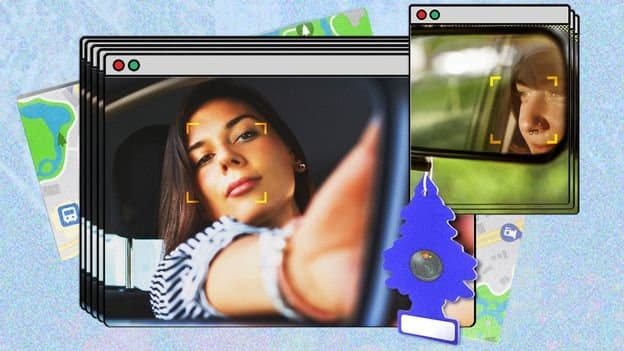
Modern vehicles collect extensive personal data through numerous sensors and connectivity features, raising significant privacy concerns as this information is shared with third parties including insurance companies with minimal regulatory oversight.
Modern vehicles have evolved from mechanical transportation devices into sophisticated computers on wheels, collecting vast amounts of personal data about drivers and passengers. This shift represents one of the most significant privacy challenges of our digital age, as cars become increasingly capable of monitoring everything from precise location to biometric information.
The Extent of Data Collection
Contemporary vehicles contain dozens of sensors designed to capture various aspects of driving behavior and passenger characteristics. According to a 2023 analysis by Mozilla, examining 25 car brands revealed that every manufacturer failed to meet basic privacy standards. Cars now collect:
- Precise location tracking of everywhere you travel
- Information about who rides with you
- Driving habits including speed, braking patterns, and seatbelt usage
- Biometric data including weight, age, race, and facial expressions
- In some cases, even details about health and "sex life" (though manufacturers claim this is only listed due to California's definition of "sensitive data")
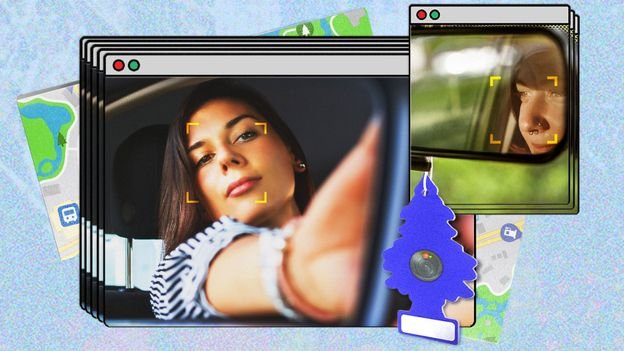
The consulting firm McKinsey found that 50% of cars on the road in 2021 had internet connections, with projections expecting this number to reach 95% by 2030. This connectivity enables real-time transmission of collected data to manufacturers and third parties.
Data Sharing and Commercial Use
The most concerning aspect of automotive data collection is how this information is utilized. Insurance companies represent one of the largest customers for vehicle data, using telematics systems to monitor driving behavior in exchange for potential discounts. However, this monitoring can lead to increased premiums for some drivers.
A notable example involved General Motors, which faced legal action for allegedly selling location data to data brokers like LexisNexis. In one documented case, a driver received 130 pages of detailed information about every trip he and his wife took over six months, with his insurance costs jumping 21% reportedly linked to this data. While GM is now barred from selling vehicle data for five years, other manufacturers continue similar practices.
Mozilla's research found that 19 out of 25 car companies they examined reserved the right to sell customer data. This information can end up in various hands:
- Marketing firms creating targeted advertisements
- Data brokers building comprehensive consumer profiles
- Potential employers making hiring decisions
- Law enforcement agencies obtaining data without warrants
Regulatory Gaps
The automotive data collection landscape exists in a regulatory vacuum. Unlike Europe, where some data protection rights exist, the United States lacks comprehensive federal privacy legislation. State protections are piecemeal and often insufficient.
Compounding the problem, upcoming US legislation will mandate the installation of "advanced impaired-driving prevention technology" in new vehicles. While intended to improve safety by detecting impairment through infrared cameras and other systems, this technology will collect even more sensitive biometric data without corresponding privacy protections.

Privacy experts warn that these safety measures are often implemented under the guise of safety while enabling unprecedented data collection. "We need to keep drunk drivers off the road, and it would be great if there was a guarantee that the data won't be used for other purposes, but that's not what's happening," says Jen Caltrider, a privacy analyst who led Mozilla's car research. "So many of the data collecting advances we see in cars are done under the guise of safety."
Consumer Options
While the privacy landscape remains challenging, consumers have some options to limit data collection:
- Avoid enrolling in insurance telematics programs, as the privacy risks often outweigh the potential benefits. Maryland analysis showed only 31% of drivers saw rate decreases, while 24% experienced increases.
- In regions with privacy protections (UK, EU, some US states), request copies of collected data and demand deletion or opt-out of data sharing.
- Adjust privacy settings in vehicle infotainment systems and associated apps.
- Be cautious about connecting personal devices to in-car systems.
Consumer Reports offers detailed guidance for automotive privacy protection, and most manufacturers provide privacy tools that can be accessed through their websites.
The Path Forward
The fundamental issue remains that automotive data collection operates on an opt-in model where consumers must actively navigate complex privacy policies to protect their information. As vehicles become increasingly autonomous and connected, the potential for data collection grows exponentially.
Until comprehensive privacy legislation establishes clear boundaries on data collection and use, consumers remain vulnerable to exploitation of their most intimate information. The automotive industry must develop privacy-preserving technologies that balance safety benefits with fundamental rights to personal privacy.
For more information on automotive privacy, you can explore resources from Mozilla's *Privacy Not Included project and Consumer Reports' automotive privacy guide.
Comments
Please log in or register to join the discussion