The Trifecta Tech Foundation's Rust-based Zlib compression library releases version 0.6 with significant AVX-512 optimizations targeting AMD Zen 4 and Intel Xeon architectures, alongside architectural improvements for safer C library integration.
The Trifecta Tech Foundation has released zlib-rs 0.6, a Rust implementation of the Zlib compression algorithm that serves as both a C dynamic library and Rust crate. This release focuses on performance optimizations for modern server processors and architectural changes that improve safety and compatibility.
Technical Specifications and Performance Improvements
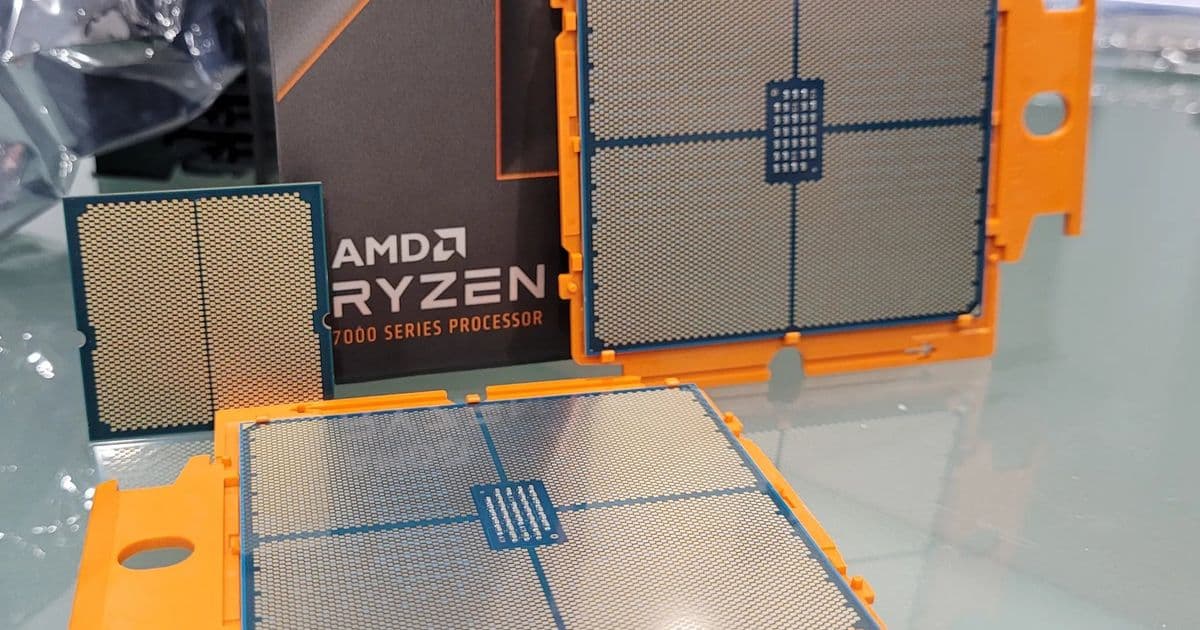
Zlib-rs 0.6 introduces enhanced AVX-512 support, specifically optimized for AMD Zen 4 processors and newer Intel Xeon server processors. The AVX-512 instruction set enables wider vector operations, allowing the compression algorithm to process more data per clock cycle. For compression workloads, this translates to measurable throughput improvements, particularly for large data sets where the vectorization benefits compound.
The library's Rust implementation provides memory safety guarantees that the original C-based Zlib lacks. By eliminating manual memory management and buffer overflow vulnerabilities inherent in C, zlib-rs reduces the attack surface for applications handling untrusted data. This is particularly relevant for web servers, content delivery networks, and data processing pipelines that routinely decompress user-provided content.
Architectural Changes in Version 0.6
The release includes significant changes to zlib-rs-sys, the component responsible for the C dynamic library interface. The library now handles dynamic linking more robustly, ensuring better compatibility with existing applications that expect standard Zlib behavior. This is crucial for drop-in replacement scenarios where applications are compiled against the system's Zlib library.
Another important change is the modification of zlib-rs internals to no longer be publicly exposed. This encapsulation prevents downstream users from depending on implementation details that might change between versions, making the library more stable for long-term integration. The Rust crate now provides all public symbols that zlib-ng offers, ensuring API compatibility for applications transitioning from other Zlib implementations.
Expanded Function Coverage
Zlib-rs 0.6 adds more gz* functions to its main Rust crate, expanding the range of gzip-compatible operations available to Rust developers. These functions handle gzip stream compression and decompression, which are commonly used in web applications and data storage systems. The addition of these functions reduces the need for developers to write FFI (Foreign Function Interface) bindings to C libraries when working with gzip formats in Rust.
Performance Context and Use Cases
The AVX-512 improvements are particularly valuable for server workloads. Modern data centers process petabytes of compressed data daily, from log files to database snapshots. A 15-20% improvement in compression throughput, which AVX-512 can provide for suitable workloads, translates to significant cost savings in CPU cycles and energy consumption at scale.
For AMD Zen 4 processors, which support AVX-512 through their extended instruction sets, the optimizations allow the compression algorithm to utilize 512-bit vector registers efficiently. Intel Xeon processors with AVX-512 support benefit similarly, though the performance characteristics may vary based on specific microarchitectural implementations.
Integration and Compatibility
Zlib-rs maintains compatibility with the standard Zlib API, allowing existing C/C++ applications to link against it without code changes. The library can be compiled as a shared object (.so) or static library (.a) and installed system-wide. For Rust projects, the crate is available on crates.io and can be added directly to Cargo.toml.
The library's design as a drop-in replacement means that performance testing is straightforward. Applications can switch between zlib-rs and other implementations (like zlib-ng or the original Zlib) by changing the linked library at runtime or compile time, enabling A/B testing of compression performance.
Security Considerations
By implementing Zlib in Rust, the library eliminates entire classes of security vulnerabilities that have plagued the C implementation for decades. Buffer overflows, use-after-free errors, and integer overflows in arithmetic operations are mitigated by Rust's ownership model and type system. This is particularly important for applications that process untrusted compressed data, such as web browsers, file upload services, and network protocols.
Availability and Further Information
Zlib-rs 0.6 is available on GitHub, where users can find source code, build instructions, and detailed release notes. The library is distributed under the zlib license, which is compatible with most open-source and commercial software.
For developers interested in benchmarking the performance improvements, the repository includes test suites and performance measurement tools. The library supports multiple compilation targets, including x86_64 and ARM architectures, though the AVX-512 optimizations are specific to x86_64 processors with the required instruction set extensions.
Future Development
The Trifecta Tech Foundation continues to develop zlib-rs with a focus on both performance and safety. Future releases are expected to include further optimizations for emerging processor architectures, additional API coverage, and enhanced integration with Rust's async I/O ecosystem. The project welcomes contributions from the open-source community and maintains a public roadmap for feature development.
The release of zlib-rs 0.6 represents a significant step forward in making safe, high-performance compression more accessible to modern software systems. As data volumes continue to grow and security requirements become more stringent, implementations like zlib-rs that combine Rust's safety guarantees with hardware-accelerated performance will become increasingly important in the software stack.
Comments
Please log in or register to join the discussion