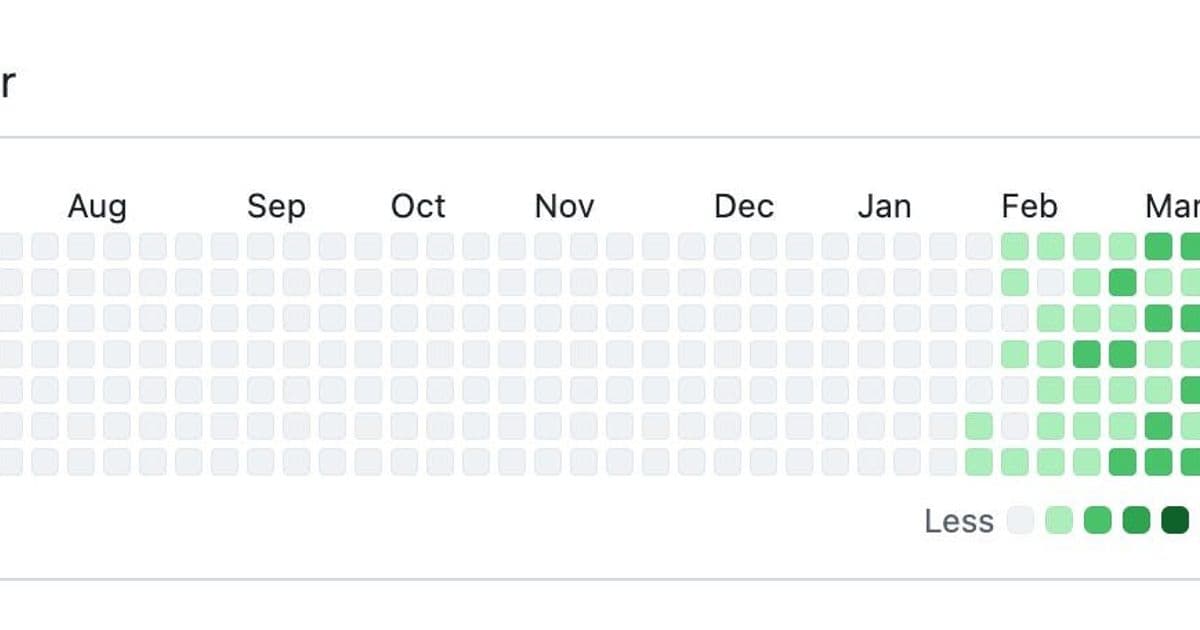
Meta CEO Mark Zuckerberg has resumed writing code after a two-decade hiatus, submitting three diffs to Meta's monorepo and becoming a heavy user of Claude Code CLI, joining other tech leaders like Garry Tan in returning to hands-on development with AI assistance.
In a notable development that signals the changing nature of software development, Meta CEO Mark Zuckerberg has returned to writing code after a 20-year hiatus, according to sources familiar with the matter. The Facebook founder, who famously wrote the original code for what would become Meta, has submitted three diffs to the company's monorepo and has become a heavy user of Claude Code CLI, Anthropic's command-line interface for AI-assisted coding.
The return to hands-on coding comes as part of a broader trend among tech executives embracing AI-powered development tools. Garry Tan, CEO of Y Combinator, has also been spotted coding with AI assistance, suggesting a shift in how even the highest levels of leadership are engaging with software development.
The AI Coding Revolution
Zuckerberg's adoption of Claude Code CLI represents a significant endorsement for Anthropic's developer tools. Claude Code CLI allows developers to interact with Anthropic's AI models directly from their terminal, enabling code generation, debugging, and refactoring through natural language commands. The tool has gained traction among developers seeking to accelerate their workflow with AI assistance.
This development comes at a challenging time for Claude Code and GitHub, which have both faced technical issues this week. The timing suggests that despite these setbacks, high-profile users like Zuckerberg see enough value in these tools to integrate them into their workflow.
Why This Matters
Zuckerberg's return to coding is more than just a curiosity—it reflects the transformative impact AI is having on software development. When the CEO of a company with over 70,000 employees is personally using AI coding tools, it signals a fundamental shift in how software is being built.
The move also highlights the competitive dynamics in the AI coding space. While OpenAI's Codex and GitHub Copilot have dominated headlines, Anthropic's Claude Code CLI is clearly making inroads with influential users. Zuckerberg's endorsement could accelerate adoption among Meta's vast developer ecosystem.
The Broader Context
This news arrives amid significant developments in the AI landscape. OpenAI recently acquired TBPN, and its COO Brad Lightcap is transitioning to a special projects role. Meanwhile, Meta continues to push forward with its own AI initiatives, including the "Project Walleye" data center in Ohio seeking $3B in loans.
The trend of executives returning to coding with AI assistance raises interesting questions about the future of software development. If AI tools can enable even non-technical executives to contribute code meaningfully, what does this mean for traditional development roles? Will we see a democratization of coding, or simply a shift in how development work is distributed?
Technical Implications
For Meta specifically, having Zuckerberg actively engaged with the codebase—even at a modest level of three diffs—could have cultural implications. It demonstrates leadership's commitment to understanding the technical challenges facing the company and could influence development priorities.
The choice of Claude Code CLI over other available tools is also noteworthy. It suggests that Anthropic's approach to AI-assisted development is resonating with users who have options, including Meta's own internal AI tools. This could indicate that Claude's capabilities in code generation and understanding are particularly strong.
Looking Ahead
As AI coding tools continue to mature, we may see more executives following Zuckerberg's lead. The barrier to entry for meaningful code contribution is lowering, and the productivity gains are becoming too significant to ignore.
For Meta, this development could signal a renewed focus on hands-on technical leadership. In an era where AI is reshaping every aspect of technology, having executives who understand both the strategic and tactical dimensions of software development could become increasingly valuable.
The fact that Zuckerberg is using these tools despite their current limitations and occasional instability suggests strong conviction in the direction of AI-assisted development. As these tools continue to improve, we may see this trend accelerate across the tech industry.
[Featured image: Mark Zuckerberg coding with Claude Code CLI](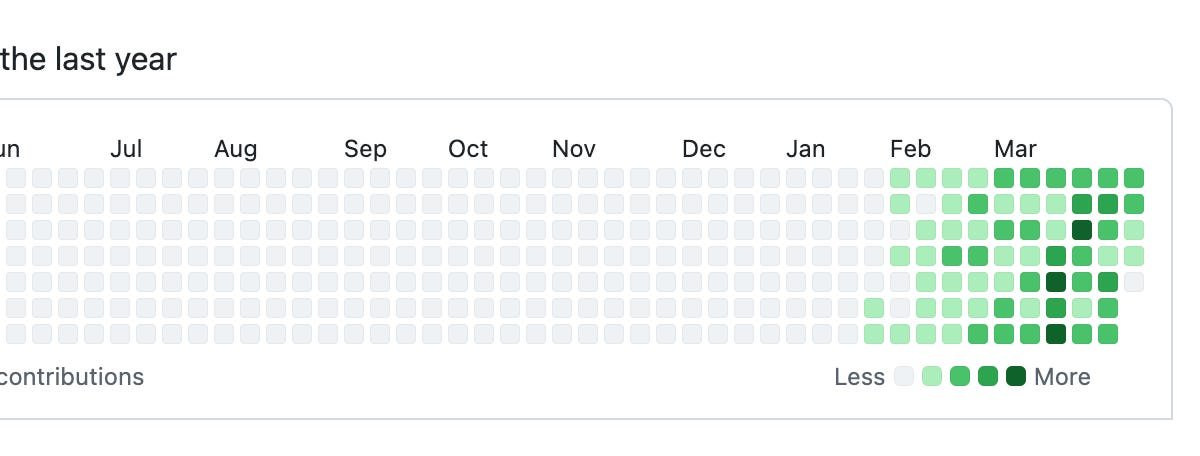 )
)
Comments
Please log in or register to join the discussion