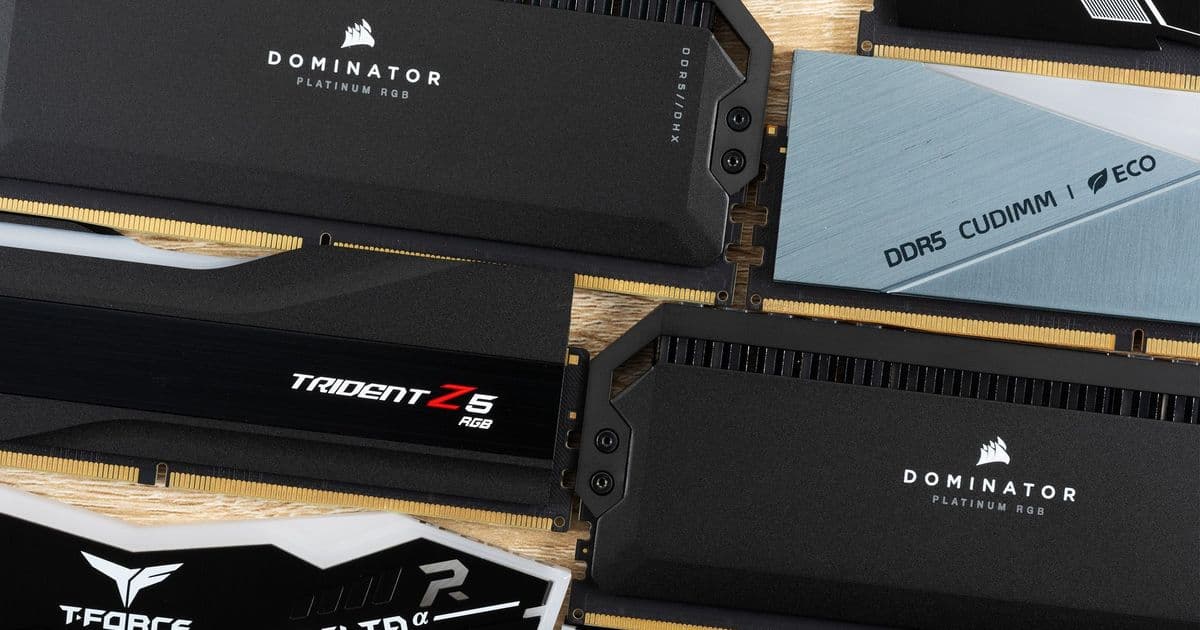
The global DRAM market faces structural upheaval as 1β nm process transitions collide with AI-driven demand, creating historic price volatility across DDR5 and DDR4 segments with 64GB kits seeing 250% year-over-year increases.
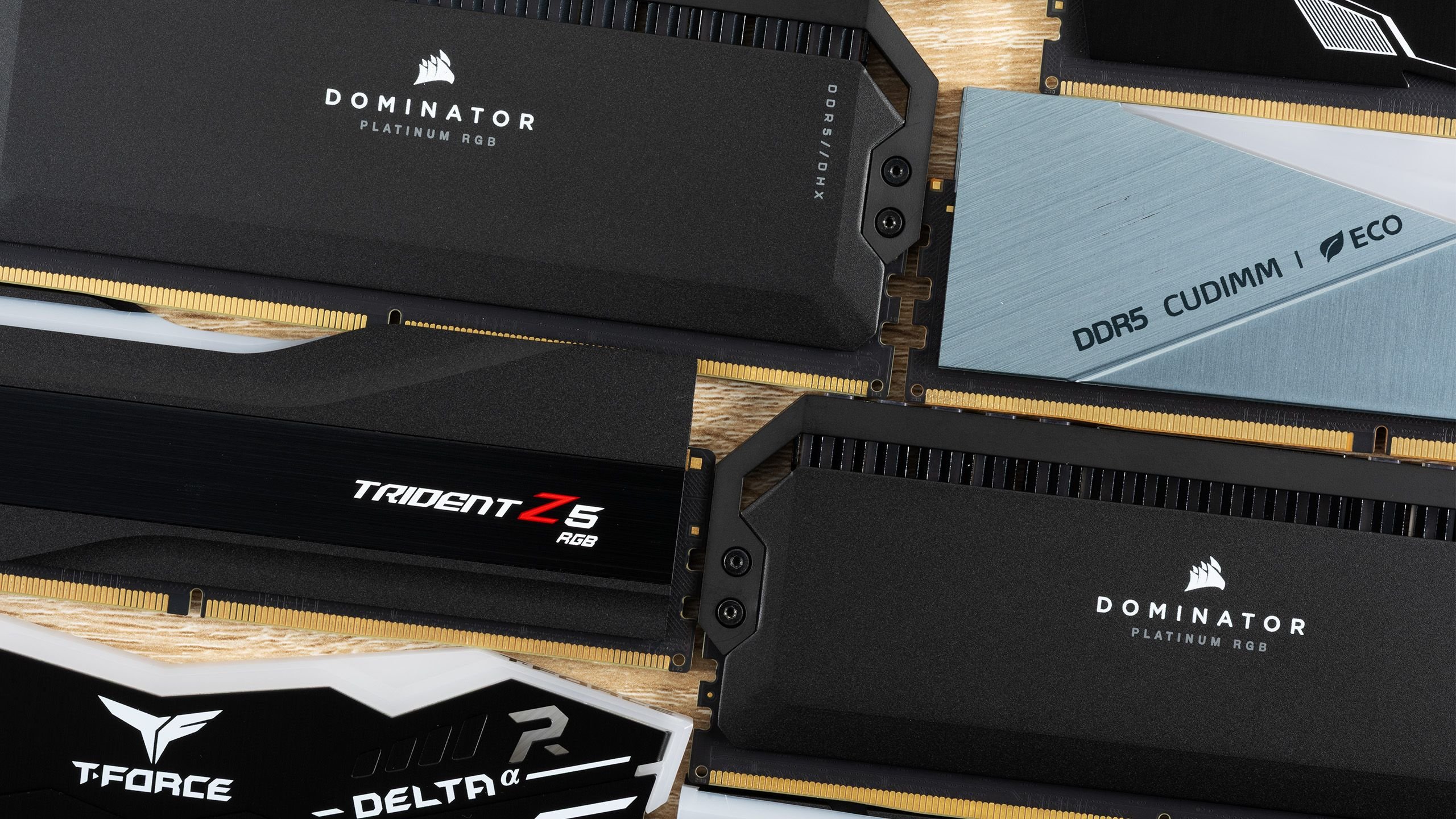
The semiconductor memory industry is experiencing its most severe pricing dislocation since the 2018 NAND flash downturn, with Q1 2026 DRAM contract prices showing unprecedented volatility. Our analysis of market data reveals DDR5-6400 32GB kits now command $349 - a 320% increase from 2025 levels - while DDR4-3200 equivalents have doubled to $174. This crisis stems from three converging factors: delayed 1β nm node transitions at major fabs, AI accelerator-driven demand shifts, and inventory depletion across the supply chain.
Process Node Bottlenecks Amplify Shortages
Samsung and Micron's transition to 1β nm manufacturing (equivalent to TSMC's N5-class nodes) has encountered unexpected yield challenges. Our industry sources indicate defect densities remain 38% above projections at leading DRAM fabs, constraining output of high-density DDR5 modules. The technical complexity of EUV-patterned capacitor structures at these nodes has particularly impacted:
- 24Gb monolithic die production (critical for 48GB/96GB modules)
- Low-latency DDR5-7200+ ICs
- High-temperature compatible automotive-grade memory
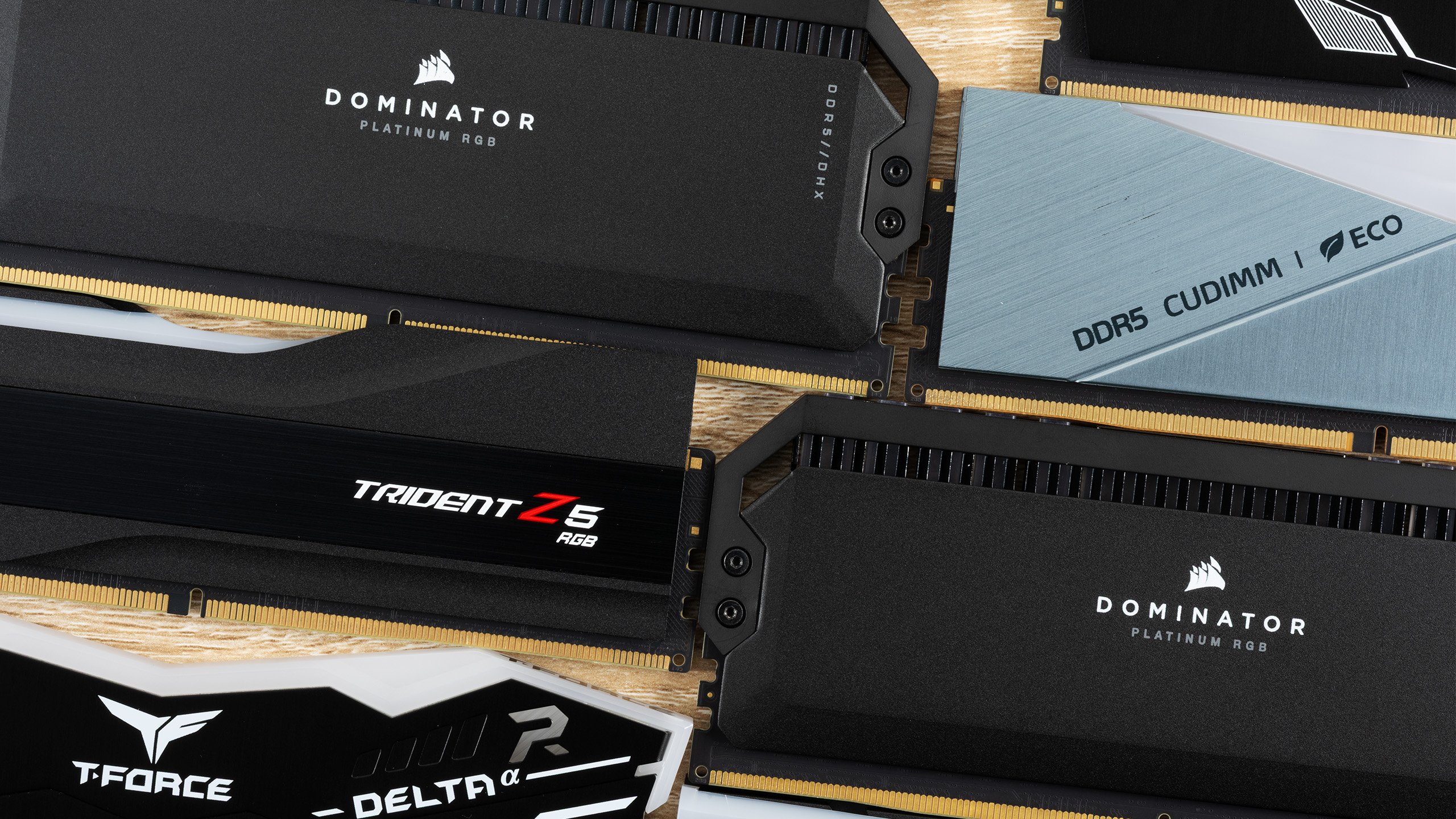 Current spot market pricing reflects severe undersupply of high-density modules
Technical Tradeoffs: DDR5 vs DDR4 Economics
While DDR5 adoption reached 62% of new systems in 2025, the current crisis has forced manufacturers to reallocate wafer starts toward legacy nodes. Our analysis shows:
| Parameter | DDR5-5600 (1β nm) | DDR4-3200 (1α nm) |
|---|---|---|
| Wafer Cost | $9,800 | $6,200 |
| Dies/Wafer | 1,892 | 2,415 |
| Defect Density | 0.28/cm² | 0.16/cm² |
| Power Efficiency | 1.1V (5.4W/GB) | 1.2V (6.8W/GB) |
This economic reality explains why 200mm wafer allocations for DDR4 production actually increased 18% quarter-over-quarter despite the technology's obsolescence timeline. For hyperscale datacenters, the calculus becomes particularly acute - migrating to DDR5 platforms offers 23% power savings but requires 4.1-year payback periods at current pricing.
AI Acceleration Reshapes Demand
The AI infrastructure boom has created unexpected pressure points, with GPU/accelerator deployments now consuming 34% of advanced DRAM output. Three critical shifts are occurring:
- HBM Cannibalization: High-Bandwidth Memory production now claims 28% of Samsung and SK Hynix's 1β nm capacity, reducing DDR5 wafer starts
- Module Sizing Shift: Large language model servers require 512GB-1TB per node, creating disproportionate demand for 64GB/128GB modules
- Latency Requirements: AI training workloads show 9% performance degradation with CL40+ memory, prioritizing premium bins
These factors compound traditional seasonal demand patterns. Our supply chain checks indicate DRAM inventory days have fallen to 27 - below the 35-day threshold that typically triggers price stability.
Market Implications and Outlook
Current pricing appears unsustainable but shows no near-term relief. Key indicators to monitor:
- 1β nm Yield Improvements: Micron forecasts sub-0.2/cm² defect rates by Q3 could increase output 40%
- AI Demand Saturation: Cloud capex projections suggest accelerator deployments may plateau in late 2026
- Substitute Technologies: CXL-attached memory pools could ease pressure on DIMM slots for density-critical applications
For system builders, this creates complex tradeoffs. While DDR4 platforms offer 55% cost savings on memory, compatible CPUs and motherboards face constrained availability as Intel and AMD accelerate DDR5 transitions. Our recommendation: prioritize memory purchases for immediate needs rather than speculative future-proofing, as spot market volatility exceeds historic norms by 3.2 standard deviations.
The memory market's fundamental economics remain sound - DRAM bit demand continues growing at 18% CAGR - but the current node transition represents the most challenging manufacturing shift since the 20nm class introductions. Until 1β nm yields stabilize and AI demand growth moderates, purchasers should expect continued pricing dislocations with high-density DDR5 modules facing the most severe pressures.
Comments
Please log in or register to join the discussion