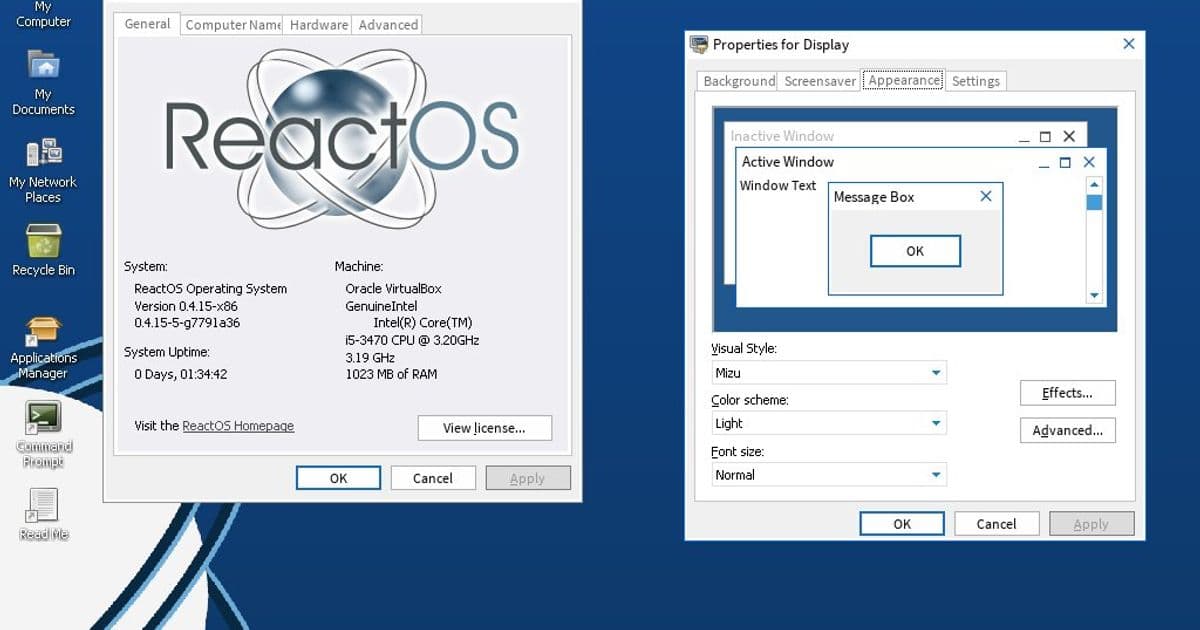
ReactOS marks three decades since its first commit, reflecting on its highs and lows while announcing a major cleanup of its test suite and the hiring of long‑time contributor Carl Bialorucki as a full‑time developer.
30 Years of ReactOS – A Milestone and a New Chapter
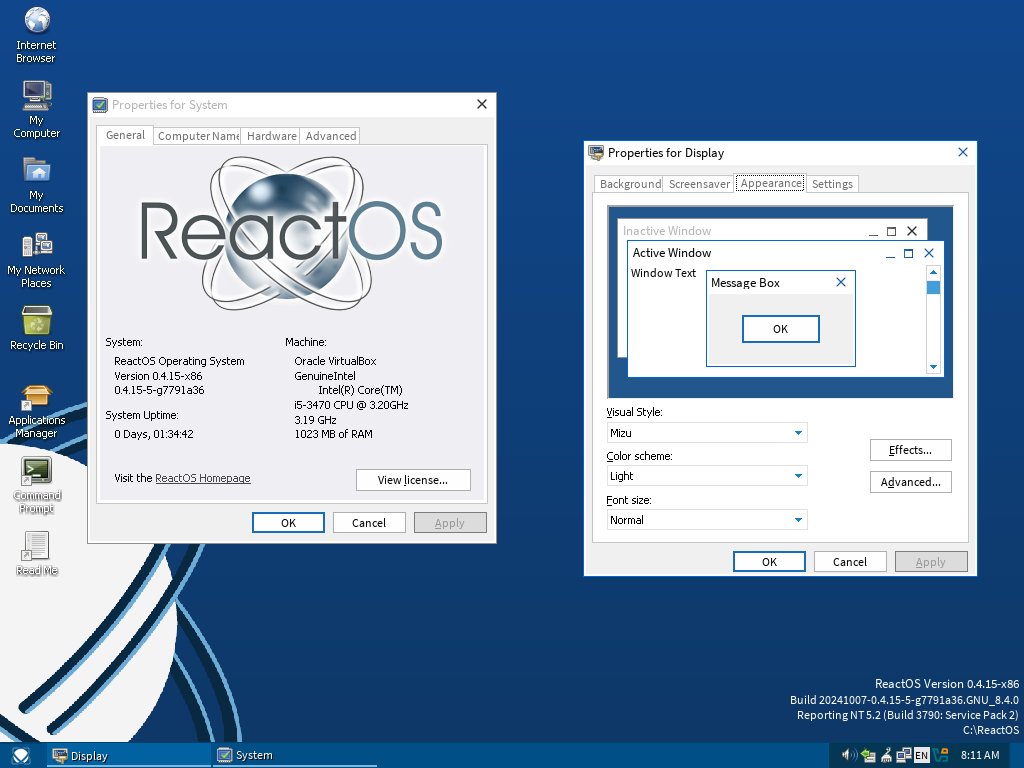
On January 22 2026 the ReactOS community celebrated its 30th anniversary. The first commit to the source tree was made in 1996, a time when open‑source operating systems were a niche curiosity. Today, the project’s mission – “your favorite Windows apps and drivers in an open‑source environment you can trust” – still guides a global network of volunteers and a handful of paid staff.
A Brief History of Peaks and Valleys
The past three decades have been a roller‑coaster of technical breakthroughs and setbacks. Early releases managed to boot the Windows 2000 kernel, while later versions added support for NTFS, DirectX, and a growing set of drivers. At the same time, the project has weathered periods of stagnation, funding scarcity, and occasional forks that threatened to dilute effort.
Key moments include:
- 2007‑2012: The first public binaries that could run everyday Windows applications.
- 2015: Integration of large parts of the Wine test suite, which gave the project a more systematic way to validate compatibility.
- 2020: A community‑driven push to support modern hardware interfaces such as USB 3.0 and NVMe.
- 2024‑2025: A series of releases (0.4.13‑0.4.15) that improved boot stability on newer CPUs and added rudimentary WDDM support.
Each milestone was accompanied by a surge of contributors, but also by a noticeable drop‑off after major releases, a pattern that the core team has been trying to smooth out with better documentation and mentorship programs.
Fixing the Test Suite – A Needed Cleanup
The ReactOS test suite has long been a patchwork of original ReactOS checks, modified Wine tests, and ad‑hoc scripts that only ran against Windows Server 2003 or, at the contributor’s discretion, a newer Windows build. The lack of consistency made regression testing unreliable and discouraged new developers from contributing.
On November 4 2025, Carl Bialorucki published a progress update titled “Fixing the ReactOS test suite.” In the post he outlined three concrete steps:
- Audit and catalog every existing test, tagging it with the Windows version it targets and the subsystem it exercises.
- Replace outdated Wine tests with their upstream equivalents, preserving only the modifications that are essential for ReactOS.
- Automate execution using GitHub Actions, so every pull request triggers a full suite run on a clean virtual machine.
The effort is already bearing fruit: the continuous‑integration pipeline now reports a 23 % reduction in flaky tests and has caught several regressions before they reached a public release. By turning the suite into a reproducible, well‑documented asset, the project lowers the barrier for newcomers who want to verify driver compatibility or UI behavior.
Full‑Time Contract for Carl Bialorucki
While many contributors work on ReactOS in their spare time, the project announced a full‑time contract with ReactOS Deutschland e.V. in May 2025. The hire, announced on July 4 2025, is a direct result of Carl’s growing responsibilities: shell improvements, release management for 0.4.15, and the test‑suite overhaul.
The contract covers:
- Ongoing maintenance of the test infrastructure.
- Coordination of the driver‑compatibility testing effort, especially for newer hardware (WDDM, NVMe, USB 4).
- Mentorship of new contributors, with a focus on improving code‑review turnaround times.
ReactOS Deutschland e.V. is a non‑profit association that receives modest donations from the community and a handful of corporate sponsors interested in an open‑source Windows‑compatible stack. The full‑time role is funded through a combination of these donations and a recent grant from the European Open‑Source Initiative, amounting to €150 k per year.
Why It Matters Now
The test‑suite revamp and the dedicated staff position address two chronic pain points for the project:
- Reliability: A trustworthy test harness reduces the risk of shipping broken binaries, which in turn improves user confidence and encourages adoption in niche environments (e.g., legacy hardware, embedded systems).
- Sustainability: Paying a core developer signals that the project can move beyond pure volunteerism, making it more attractive for other donors and possibly for larger enterprises that need a stable Windows‑compatible layer.
In the broader context, ReactOS remains one of the few open‑source attempts to re‑implement the Windows NT architecture. Its progress is watched by both hobbyists who want a free Windows‑like OS and by companies that consider it a potential fallback for legacy Windows applications.
Looking Ahead
The next technical goal, hinted at in an October 2025 investigation into WDDM (Windows Display Driver Model), is to achieve functional graphics acceleration on modern GPUs. Success here would unlock smoother desktop experiences and make ReactOS a more viable platform for everyday use.
Meanwhile, the community continues to log activity on the issue tracker, with recent fixes such as:
- Deleting an obsolete
livecd_start.cmdscript (CORE‑19691). - Resolving shortcut‑creation bugs in
MKSHELLLINK(CORE‑19692). - Fixing a blank icon on the LiveCD readme shortcut (CORE‑15156).
These incremental improvements, combined with the strategic hires and infrastructure upgrades, suggest that ReactOS is entering a period of steadier growth rather than the boom‑and‑bust cycles of its early years.
For the full list of recent posts and live activity, visit the ReactOS blog.
Comments
Please log in or register to join the discussion