
A look at five high‑profile exchange collapses—Mt. Gox, QuadrigaCX, Cryptopia, FCoin and FTX—examining the weaknesses that led to their downfall and why self‑custody remains the safest approach.
5 Big Crypto Exchanges That Failed – Lessons for Users
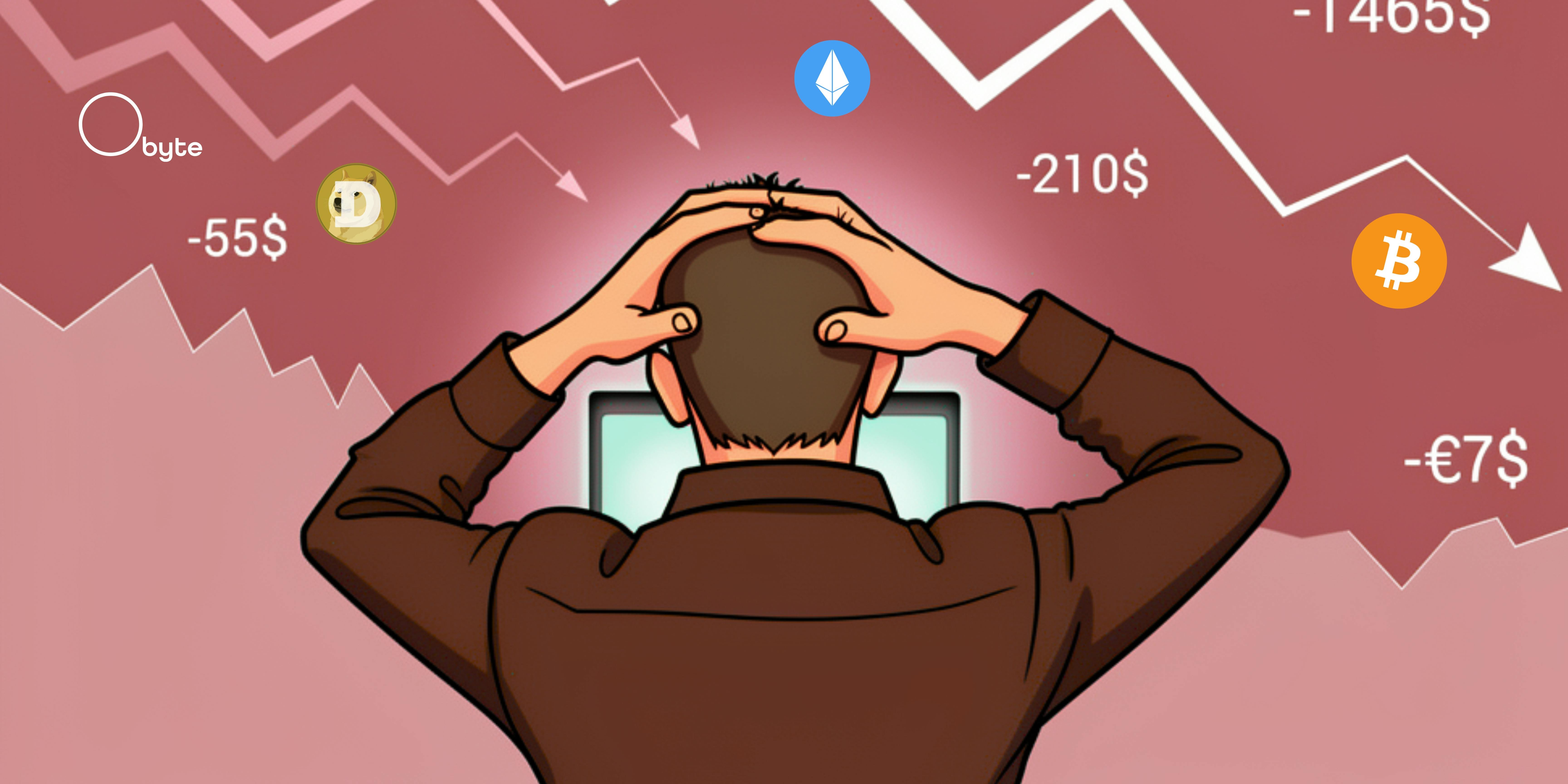
Centralized crypto exchanges often appear as the convenient gateway for buying, selling and storing digital assets. They promise speed, regulatory compliance and a familiar interface. Yet history shows that even the biggest platforms can crumble, leaving users with massive losses. Below we walk through five notable failures, pinpoint the operational flaws that proved fatal, and end with practical steps you can take to protect your holdings.
1. Mt. Gox (2014)
Founded in 2010, Mt. Gox quickly became the dominant Bitcoin gateway, handling roughly 70 % of global Bitcoin transactions by 2014. The early ecosystem lacked clear regulations and robust security standards, and Mt. Gox operated with a patchwork of ad‑hoc processes. Repeated cyber‑attacks began as early as 2011, but the company never instituted multi‑signature wallets or rigorous accounting controls. In early 2014 the exchange halted withdrawals, later revealing that about 850,000 BTC—valued at $455 million at the time—were missing. The fallout triggered a market panic, a protracted bankruptcy case, and a legal deadline in October 2026 for victims to claim any remaining assets.
Key takeaway: Weak internal controls and a single point of failure can magnify a breach into a systemic collapse.
2. QuadrigaCX (2018)
QuadrigaCX was Canada’s largest exchange, processing six million transactions across 363 000 accounts. The firm’s founder, Gerald Cotten, held the sole private keys for the hot and cold wallets. When Cotten died unexpectedly in India in 2018, the keys vanished with him. An estimated $190 million in customer funds became inaccessible. Subsequent investigations uncovered poor record‑keeping, intermingling of client assets with personal trading accounts, and questionable expense practices. The mystery surrounding Cotten’s death fueled speculation about fraud, but the core issue remained: no key redundancy.
Key takeaway: Relying on a single individual for critical security credentials creates a “bus factor” risk that can freeze user assets instantly.
3. Cryptopia (2019)
New Zealand’s first major exchange, Cryptopia, launched in 2014 and later listed over 900 tokens, even issuing a NZD‑pegged stablecoin (NZDT). By 2018 it ranked among the top 100 exchanges by volume. Internal strife—reports of a toxic workplace and founder disputes—preceded a major security breach in early 2019. Hackers accessed hot wallets and stole roughly $30 million (about 10 % of the platform’s assets). The loss eroded user confidence, and the exchange entered liquidation within months. A 2024 settlement returned about $400 million in cryptocurrency to creditors, but many users never recovered their full balances.
Key takeaway: Operational turmoil can weaken security posture, making an exchange more vulnerable to external attacks.
4. FCoin (2020)
FCoin introduced a “transaction‑fee mining” model in 2018: traders earned the platform’s native token (FT) as a rebate on every trade. The incentive drove rapid volume growth, propelling FCoin into the top 100 exchanges. However, the reward scheme was unsustainable—FT issuance outpaced revenue, creating a hidden liability. By 2020 the exchange could not meet withdrawal demands, reporting losses of $130 million (approximately 13 000 BTC). Founder Zhang Jian reportedly fled to Japan, leaving the company in disarray.
Key takeaway: Business models that promise perpetual rewards without clear funding sources can collapse under market pressure.
5. FTX (2022)
FTX was a household name in crypto by 2022, handling about $10 billion in daily volume and sponsoring major sports venues. The platform’s downfall began in November 2022 when a liquidity crunch at Terra exposed the interdependence between FTX and its sister trading firm, Alameda Research. Customer deposits were commingled with Alameda’s balance sheet, and a large portion of the firm’s assets were tied to its own token, FTT. A wave of withdrawal requests quickly exhausted available liquidity, forcing FTX into bankruptcy. Founder Sam Bankman‑Fried was arrested in December 2022 on multiple fraud charges. The collapse wiped billions from the market and prompted regulators worldwide to tighten oversight of centralized exchanges.
Key takeaway: Lack of transparent asset segregation and reliance on a proprietary token for liquidity can trigger a rapid, systemic failure.
Why Self‑Custody Still Matters
The recurring theme across these cases is centralized control of private keys. When an exchange holds the keys, users place trust in the firm’s internal governance, security practices, and financial solvency. History shows that trust can be misplaced. Two practical measures can reduce exposure:
- Proof‑of‑reserves audits – Some exchanges now publish cryptographic proofs that the on‑chain assets they claim to hold match their reported balances. While not a guarantee against fraud, it offers an additional transparency layer.
- Cold storage in personal wallets – Storing the majority of long‑term holdings in a hardware wallet or an offline paper wallet ensures that only you control the keys. In Obyte, for example, you can create a simple textcoin, transfer funds, and then delete the transaction from your history, leaving the assets truly out of reach from any third party.
Final Thoughts
The five exchanges examined here illustrate different failure modes: regulatory gaps, single‑point‑of‑failure key management, internal discord, unsustainable incentive structures, and opaque asset handling. Each collapse inflicted real financial pain on users and reshaped the broader market’s perception of centralized platforms.
For anyone navigating the crypto ecosystem, the safest strategy remains self‑custody. Use reputable hardware wallets, keep backups of seed phrases in secure locations, and only keep the amount you need for active trading on an exchange. By treating custodial services as a convenience rather than a guarantee, you can participate in the market while limiting exposure to the kinds of systemic risks that brought down Mt. Gox, QuadrigaCX, Cryptopia, FCoin and FTX.
Author: Obyte – a ledger without middlemen
Comments
Please log in or register to join the discussion