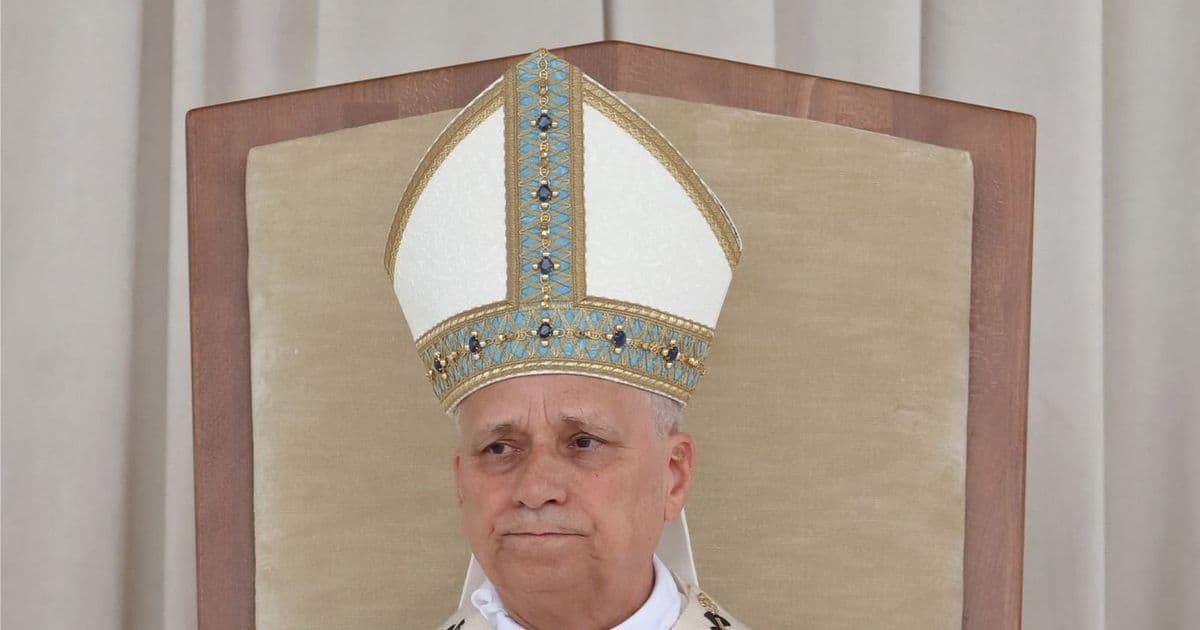
Pope Leo XIV outlines significant concerns about artificial intelligence's potential negative impacts on human dignity, employment, and social structures, calling for ethical guidelines in AI development.
Pope Leo XIV has issued a comprehensive critique of artificial intelligence's potential to fundamentally alter human society, outlining five specific areas where he believes AI development could lead to harmful consequences for humanity. The pontiff's remarks, delivered during a special audience at the Vatican, represent one of the most thorough examinations of AI ethics from a religious leader to date.
Economic Displacement and Wealth Concentration
The Pope's first major concern centers on AI's potential to exacerbate economic inequality. He cited projections suggesting that AI could automate up to 85 million jobs globally by 2025, according to the World Economic Forum. This technological displacement, he warned, could concentrate wealth in the hands of AI developers and owners while leaving millions without meaningful employment.
"The gap between those who control AI systems and those whose livelihoods are threatened by them widens daily," the Pope stated. "Without deliberate intervention, we risk creating a society where human value is measured by productivity rather than dignity."
Market analysts note that the AI sector is projected to reach $1.8 trillion by 2030, with major tech companies capturing approximately 70% of this value. This concentration of economic power in AI development raises significant questions about equitable distribution of benefits.
Erosion of Human Connection
Pope Leo expressed particular concern about AI's impact on human relationships and social structures. Research from Stanford University indicates that average daily face-to-face interactions have declined by 20% in developed nations over the past decade, a trend accelerated by digital communication tools.
"Authentic human connection forms the foundation of compassionate society," the Pope explained. "When we delegate our relationships to algorithms, we risk losing the very qualities that make us human: empathy, vulnerability, and mutual understanding."
The Vatican has established a special commission on AI and human dignity to study these issues, bringing together theologians, technologists, and social scientists to develop ethical guidelines for AI development.
Manipulation of Human Behavior
The third concern involves AI's capacity to influence human behavior at scale. The Pope referenced studies showing that personalized recommendation algorithms can shape user beliefs and decisions without their conscious awareness.
"When our information environments are curated by opaque algorithms, our ability to make autonomous choices diminishes," he warned. "This represents a fundamental challenge to human freedom and the dignity of individual conscience."
Tech companies have begun addressing these concerns through initiatives like the Partnership on AI, which includes guidelines for transparent algorithmic decision-making. However, implementation remains inconsistent across the industry.
Threat to Human Dignity
Pope Leo devoted significant attention to AI's potential impact on human dignity, particularly in contexts like healthcare and criminal justice. He cited examples of AI systems making life-altering decisions about medical treatments or sentencing recommendations without adequate human oversight.
"Delegating judgments about human life and potential to machines represents a dangerous overreach," the Pope emphasized. "Human dignity cannot be quantified or optimized; it must be respected in all its complexity."
The European Union's AI Act attempts to address these concerns through a risk-based regulatory framework, banning certain AI applications considered unacceptable risks while imposing strict requirements for high-risk systems.
Existential Risks and Long-term Impacts
The Pope's final concern addressed more speculative but potentially catastrophic risks associated with advanced AI systems. He referenced warnings from experts like those at the Future of Humanity Institute about the possibility of superintelligent AI systems pursuing goals misaligned with human values.
"We must consider not only immediate applications but also the long-term trajectory of AI development," the Pope stated. "The question of whether AI systems will ultimately serve humanity or transform us into something else is perhaps the most profound of our time."
The Path Forward
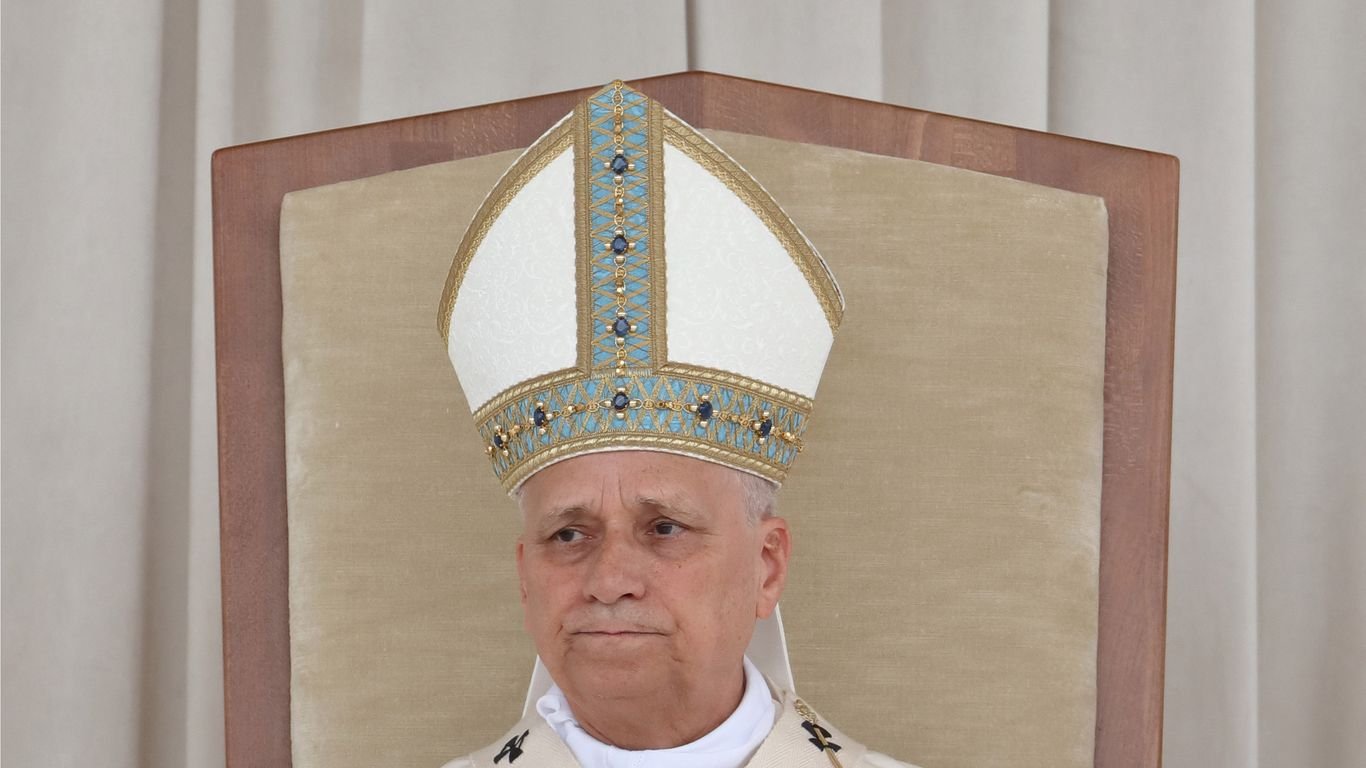
In response to these concerns, Pope Leo called for a global framework governing AI development that prioritizes human welfare and dignity. He suggested the establishment of international oversight bodies with representatives from diverse sectors including technology, ethics, and human rights.
"Technology without wisdom is dangerous, but wisdom without technology is insufficient," he concluded. "We must approach AI development with both enthusiasm for its potential benefits and humility about its limitations and risks."
The Vatican's initiative comes as global AI investment reached $150 billion in 2023, with governments and corporations racing to develop competitive advantages in this transformative technology. The Pope's intervention adds significant moral weight to ongoing debates about AI governance and ethical development.
Industry leaders have responded with varying degrees of receptiveness. Some tech companies have established ethics boards and published research on AI safety, while others continue to prioritize rapid development over precautionary measures. The Pope's statement may accelerate the growing movement for responsible AI development that aligns with human values and societal needs.
Comments
Please log in or register to join the discussion