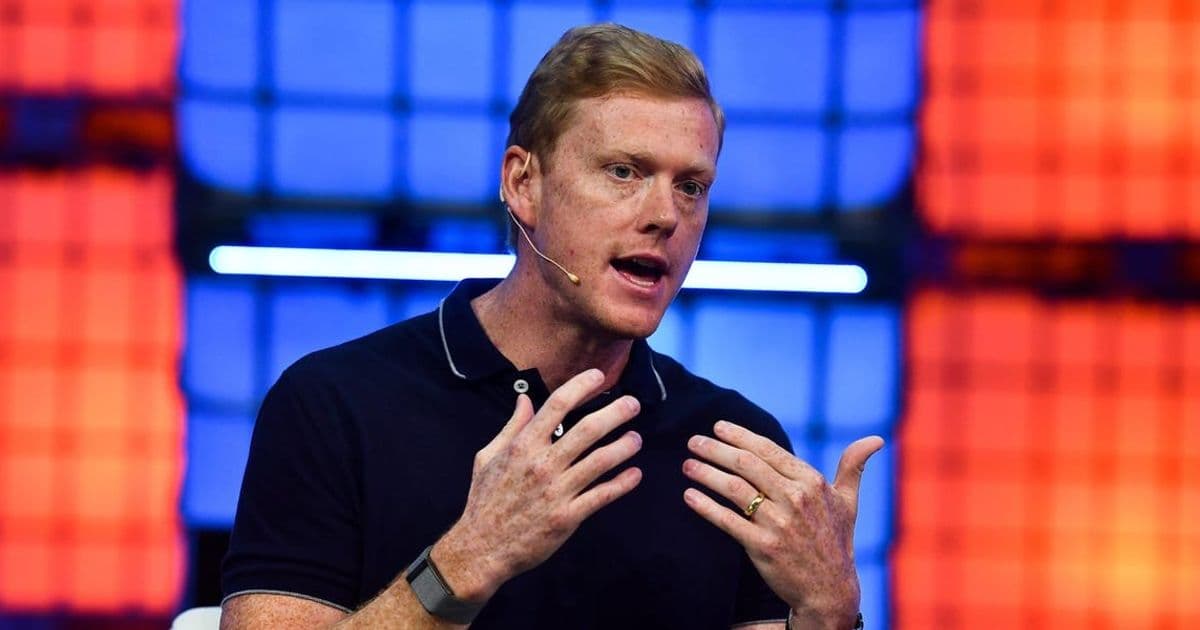
Uber’s chief operating officer says the company is finding it harder to justify its AI budget as the technology matures, highlighting a shift from experimental hype to measurable impact.
Uber’s COO Warns AI Spending Is Facing Growing Scrutiny
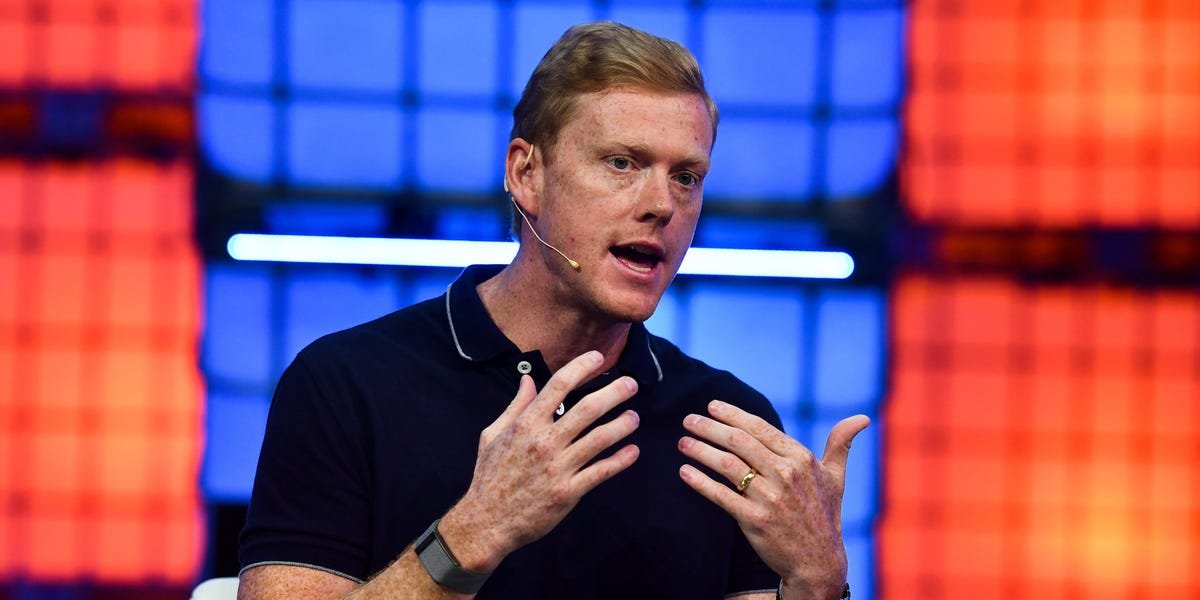
Andrew Macdonald, Uber’s chief operating officer, told investors and analysts in a recent earnings call that the company’s AI budget is under increasing pressure. "It’s getting harder to justify the money spent on AI," he said, adding that the focus is moving from speculative projects to initiatives that can demonstrate clear cost savings or revenue uplift.
Why the change matters
Uber has been a vocal early adopter of generative AI, from route‑optimization models to customer‑service chatbots. In the past two years the firm poured roughly $350 million into AI research and product teams, a figure that dwarfs the spend of many of its ride‑sharing peers. That level of investment made sense when the technology was still proving its value, but the market now expects tangible returns.
Macdonald’s comment signals a broader industry trend: as AI tools become commoditized, the bar for justification rises. Companies can no longer count on novelty alone; they must tie AI to metrics such as reduced driver‑wait times, lower churn, or higher per‑ride revenue.
Where Uber is tightening the belt
- Driver‑matching algorithms – Uber is consolidating several experimental models into a single production pipeline. The goal is to shave a few seconds off the average pickup time, a metric that directly influences driver earnings and rider satisfaction.
- Customer‑service automation – The chat‑bot platform launched in 2024 is being trimmed to handle only high‑volume, low‑complexity queries. More nuanced issues will revert to human agents, a move that reduces licensing costs for large‑scale language models.
- Dynamic pricing experiments – AI‑driven surge pricing has been rolled back in several markets after a pilot showed only marginal revenue gains but a noticeable dip in rider trust.
What this means for the broader AI market
Macdonald’s cautionary tone suggests that venture capital and corporate investors may start demanding tighter KPIs from AI projects. Startups that sell “AI‑as‑a‑service” will likely need to provide case studies that quantify impact in dollars and minutes, not just showcase impressive model benchmarks.
For Uber, the lesson is clear: the next wave of AI spending will be judged by its ability to move the needle on core business metrics. The company’s upcoming quarterly report should reveal whether the tightened focus translates into measurable savings or if the AI budget will face further cuts.
The article reflects statements made by Uber’s COO Andrew Macdonald on May 25, 2026, and provides context on the company’s AI strategy and its implications for the industry.
Comments
Please log in or register to join the discussion