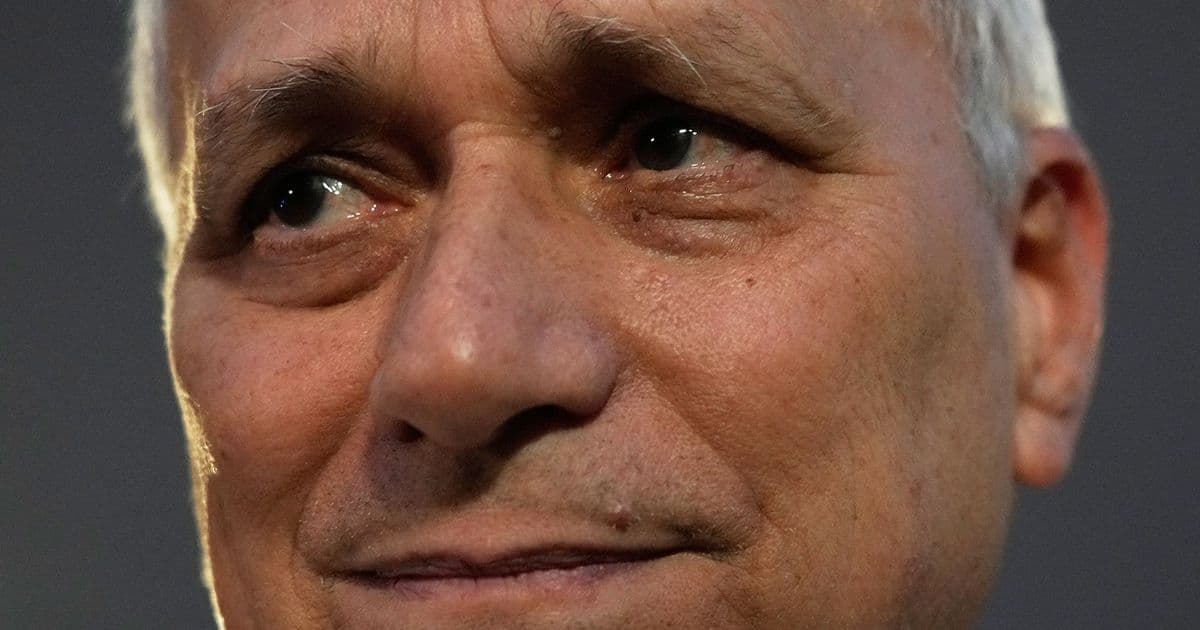
In his inaugural encyclical, Pope Leo XIV warns that unchecked artificial intelligence can deepen inequality and erode democracy. He urges “disarming” AI – removing it from military and profit‑driven incentives – and calls for broad public participation, stronger regulation, and a moral framework that puts human dignity first.
Pope Leo XIV’s first encyclical tackles AI’s social risk
The Vatican released an 83‑page teaching document titled Magnifica Humanitas on Monday, May 25. In it, Pope Leo XIV frames artificial intelligence as the newest industrial transformation and argues that its unchecked growth threatens democratic participation, widens economic gaps, and challenges what it means to be human.
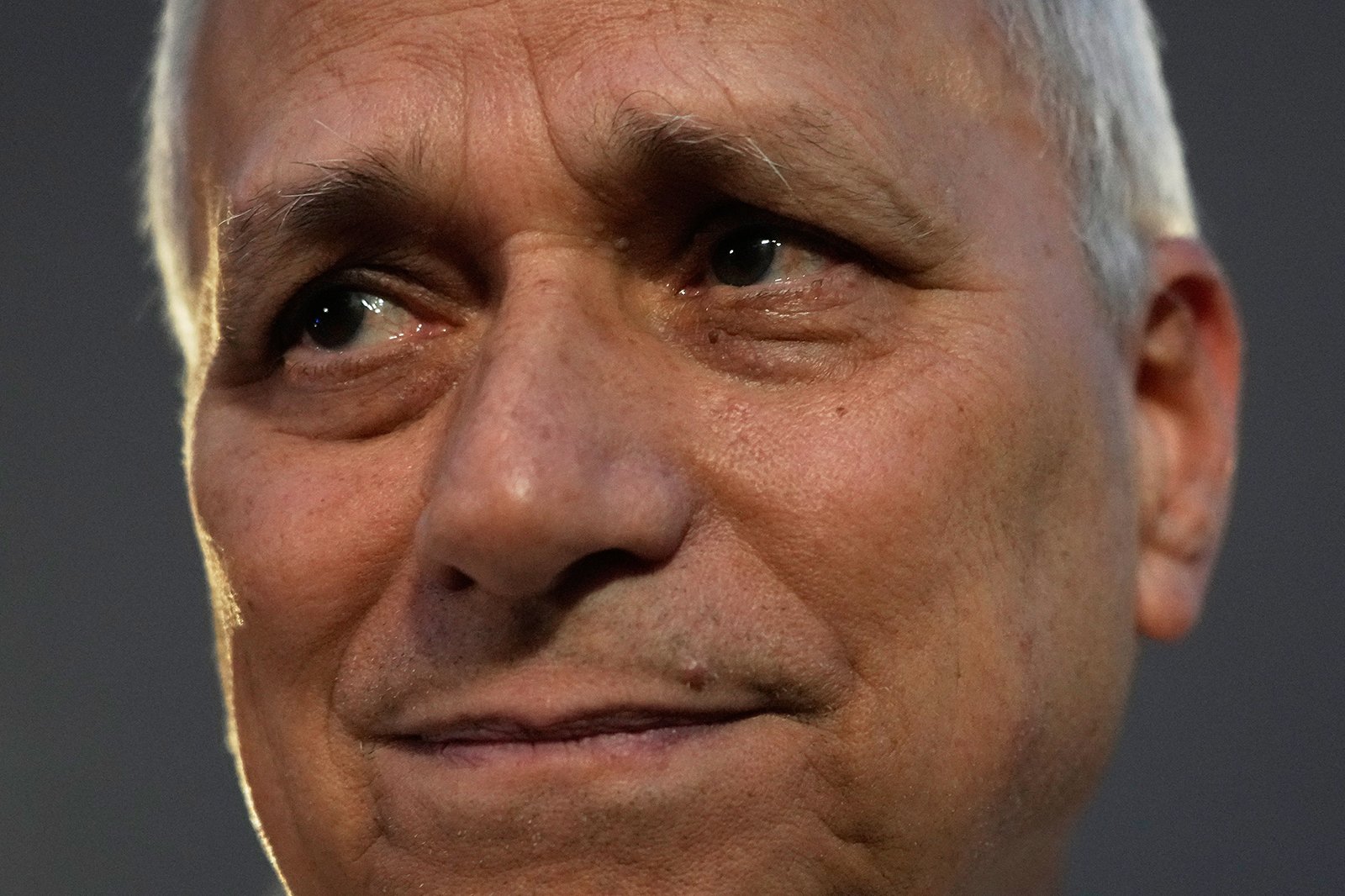
The problem as the pope sees it
Leo XIV writes that AI “amplifies the power of those who already possess economic resources, expertise and access to data.” He points to a feedback loop where a handful of corporations and wealthy investors shape information flows, influence voting behavior, and steer markets to their advantage. The result, he warns, is a digital divide that mirrors historic forms of colonialism – not of land, but of data, health records, and genetic maps, which he calls “the new rare earths of power.”
The encyclical also links AI to militarisation. Leo argues that autonomous weapons and algorithmic targeting systems shift lethal decision‑making from humans to machines, a shift that must be prevented through “traceability, human oversight, and international law.”
“Disarming” AI, not abandoning it
The pope’s central prescription is to disarm AI. Disarming does not mean halting development; rather, it means removing AI from profit‑driven competition and from direct military use, and placing it under stricter state and international oversight. He calls for:
- Transparent governance – AI companies should be subject to clear, enforceable standards that cover data provenance, model explainability, and environmental impact.
- Broad participation – religious groups, civil‑society organisations, scholars, and ordinary citizens must have a seat at the table when policies are drafted.
- Equitable benefit sharing – tax structures and public‑funded AI research should ensure that gains flow to the most vulnerable, not just to shareholders.
Leo stresses that regulation alone is insufficient; the technology must be “welcoming and accessible,” a phrase that echoes the Vatican’s historic stance on the commons.
Funding and traction in the tech world
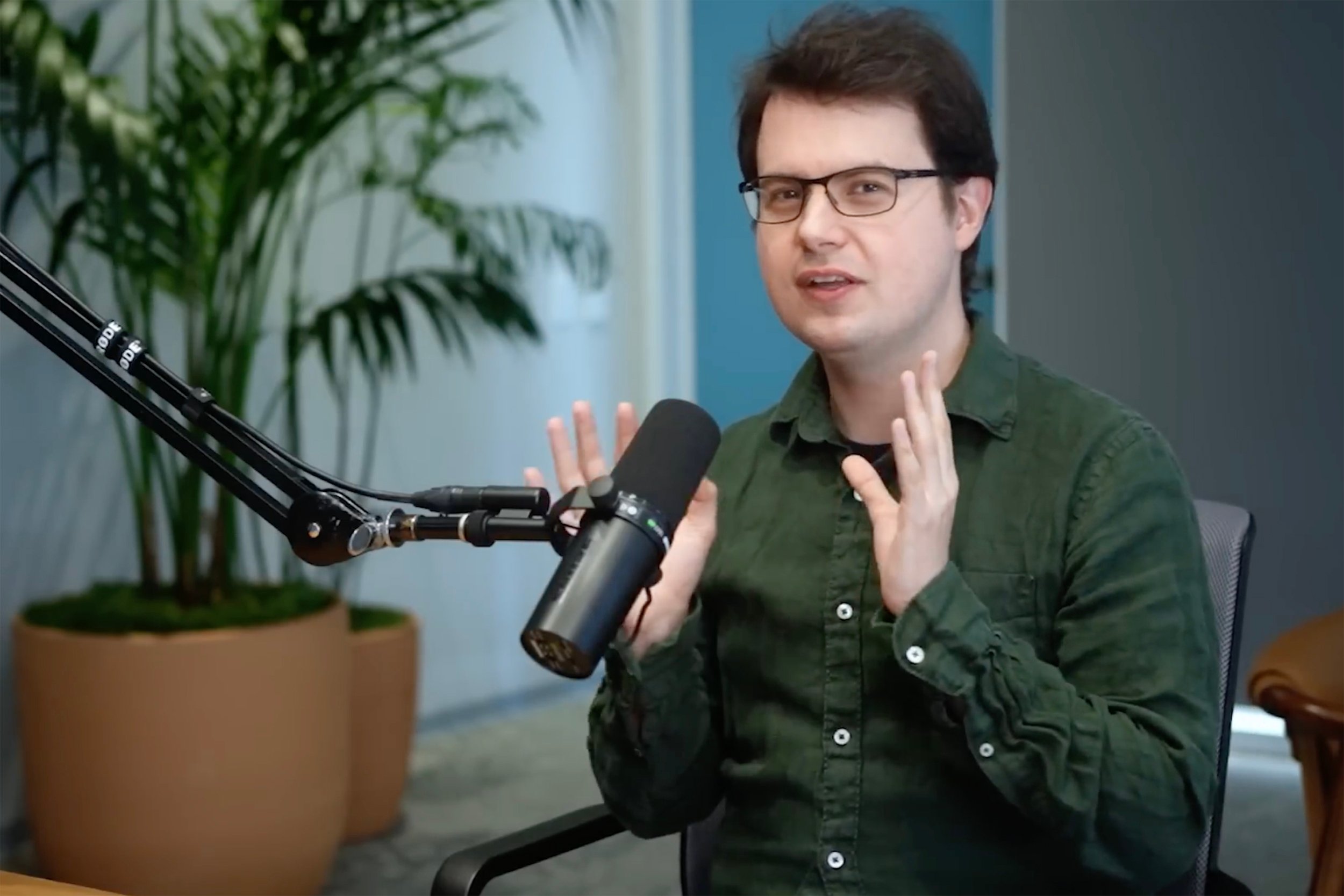
The encyclical was presented alongside Chris Olah, co‑founder of Anthropic, the AI lab behind the Claude series. Olah, known for advocating “ethical constitutions” for language models, echoed the pope’s call for a broader moral conversation. He noted that commercial incentives, geopolitical pressure, and personal ambition often clash with the public good, and that a coalition of religious communities, governments, and academia is needed to steer AI toward socially beneficial outcomes.
Anthropic’s recent $450 million Series C round, led by a consortium of impact‑focused investors, signals that the market is already responding to calls for responsible AI. While the funding round was not directly tied to the Vatican’s statements, the timing illustrates a growing appetite for models that can be audited and that incorporate explicit ethical guidelines.
How the encyclical fits into a longer tradition
Leo XIV draws a line from his namesake’s 1891 encyclical Rerum Novarum, which addressed the industrial revolution, to today’s AI revolution. By invoking that historical document, he positions the current debate as a continuation of the Church’s engagement with technology that reshapes labour, community, and human self‑understanding.
Reactions from the tech community
Brian Patrick Green, director of technology ethics at Santa Clara University’s Markkula Center, called the document “a landmark opportunity for the world to look at a new technology and really think about what it is for.” Several AI ethics scholars have praised the pope’s insistence that moral principles be baked into the design phase rather than retrofitted after harms appear.
At the same time, industry leaders caution that overly stringent controls could slow innovation in areas such as climate modelling, medical diagnostics, and disaster response—applications the encyclical itself acknowledges as beneficial.
What comes next?
The Vatican has announced the formation of an interdisciplinary advisory council that will include technologists, theologians, and human‑rights experts. Its first task will be to draft a set of “AI moral standards” that could inform future international agreements, much like the Geneva Conventions did for conventional warfare.
If the council succeeds in producing concrete guidelines, they could influence upcoming EU AI regulations, the U.S. White House’s AI governance roadmap, and multilateral discussions at the United Nations.
Bottom line
Pope Leo XIV’s Magnifica Humanitas does not reject AI; it asks for a different relationship—one where technology serves humanity rather than the other way around. By calling for disarmament, transparency, and shared benefit, the encyclical adds a moral voice to a debate that has been dominated by market forces and national security concerns. Whether that voice will translate into policy remains to be seen, but the document has already sparked a conversation that bridges theology, ethics, and the practical realities of AI development.
Comments
Please log in or register to join the discussion