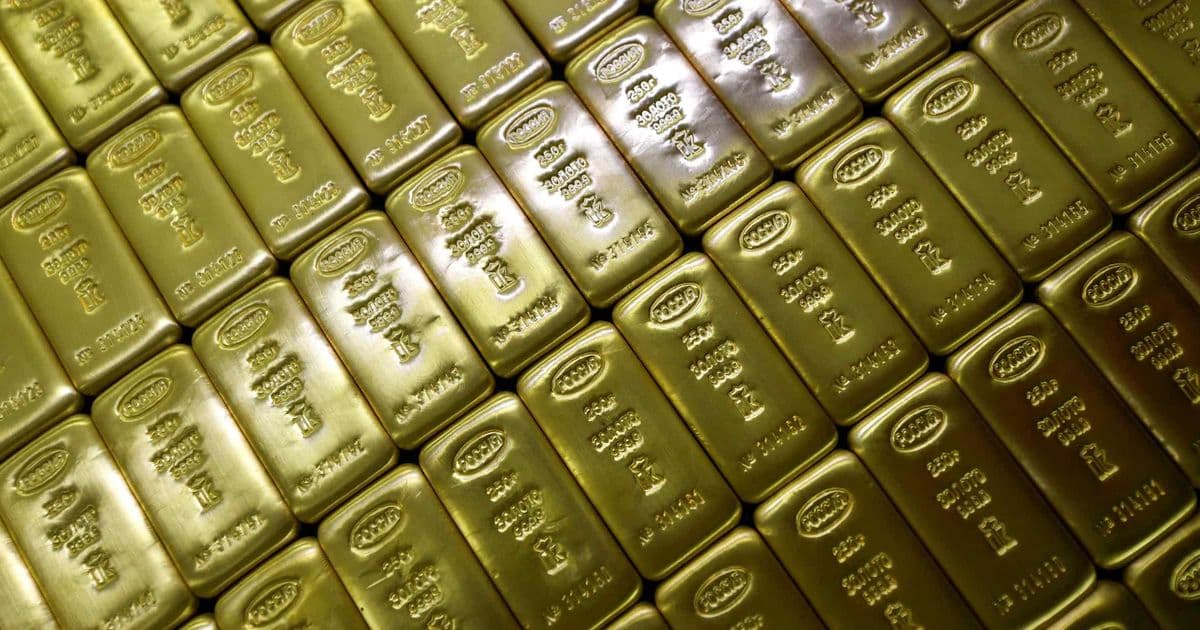
Japan’s gold shipments surged past 4 trillion yen ($25 bn) in fiscal 2025, driven by higher international prices and a wave of outflows that likely include metal previously smuggled into the country. The trend reflects shifting market dynamics, tighter customs enforcement, and broader strategic considerations for Japan’s precious‑metal sector.
Record‑size gold exports signal a market shift
Japan’s customs data show that gold exports in fiscal year 2025 exceeded 4 trillion yen, roughly $25 billion, the first time the figure has crossed that threshold. The jump represents a 22 % increase over the previous fiscal year, when exports were around 3.3 trillion yen. Export volumes rose to 210 metric tonnes, up from 170 tonnes a year earlier, according to the Ministry of Finance.
Why the surge?
- Higher global spot prices – The London Bullion Market Association (LBMA) 24‑hour price for gold averaged $2,150 per ounce in FY2025, up 15 % from the $1,860 level a year before. Higher prices make it financially attractive for Japanese refiners and traders to ship metal abroad.
- Geopolitical risk premium – Tensions in the Indo‑Pacific region, particularly around the Taiwan Strait and the South China Sea, have prompted investors to move gold to jurisdictions perceived as safer. Japan’s export data align with a broader pattern of capital flight from the region.
- Recovery of previously smuggled gold – Law‑enforcement reports from 2024‑25 indicate that a crackdown on illicit gold flows from Hong Kong and Macau led to the seizure of 12 tonnes of gold that had entered Japan without customs declaration. Much of that metal has now been re‑exported, inflating the official export numbers.
Market context
Japan is the world’s third‑largest gold consumer after India and China, but it has traditionally been a net importer of the metal for jewelry and industrial use. The country’s refining capacity, concentrated in firms such as Tanaka Kikinzoku and Mitsubishi Materials, processes roughly 300 tonnes of gold annually, most of which is sold to overseas buyers.
In 2023, Japan imported 250 tonnes of gold at a cost of about 2.5 trillion yen, while exporting only 150 tonnes. The FY2025 reversal means the trade balance for gold has swung from a 1.0 trillion‑yen deficit to a 0.5 trillion‑yen surplus.
Strategic implications
1. Refining sector profitability
Higher export volumes coupled with strong spot prices improve margins for domestic refiners. Tanaka Kikinzoku reported a 30 % rise in quarterly earnings, citing “favorable market conditions and increased outbound shipments.” The profit boost may encourage further investment in capacity upgrades and automation.
2. Regulatory focus on illicit flows
The recent seizures underline persistent vulnerabilities in customs oversight. The National Police Agency has announced a joint task force with the Financial Services Agency to monitor large‑scale gold movements, employing blockchain‑based tracking for shipments above 5 kg. Stricter reporting could reduce the likelihood of future smuggling, but may also add compliance costs for legitimate traders.
3. Impact on Japan’s currency outlook
Gold exports generate foreign‑exchange inflows that modestly support the yen. The Bank of Japan’s latest quarterly report notes that precious‑metal trade contributed ¥150 billion to the current‑account surplus, a small but positive factor amid a broader yen depreciation trend.
4. Investor sentiment and portfolio allocation
Japanese institutional investors, traditionally heavy on domestic equities, have increased allocation to physical gold and gold‑linked ETFs. Data from the Japan Investment Trust Association shows that gold‑ETF assets grew from ¥300 billion in 2022 to ¥540 billion in 2025, reflecting a hedge‑oriented shift.
What it means for the broader market
The export surge suggests that Japan is moving from a net consumer to a net supplier of gold, at least temporarily. If geopolitical uncertainties persist and spot prices stay elevated, the country could sustain a surplus for several years. However, any easing of tensions or a significant drop in global gold prices would likely reverse the trend, as domestic demand for jewelry and electronics remains robust.
Stakeholders should watch three indicators closely:
- Spot price trajectory – A sustained price above $2,200 per ounce would keep export incentives strong.
- Customs enforcement data – A decline in seized illicit gold would signal cleaner market conditions but could also reduce the “re‑export” boost.
- Currency movements – A stabilising yen could make gold exports less attractive relative to other export categories.
In short, Japan’s record gold exports are a symptom of higher global prices, heightened risk perception, and a crackdown on smuggling. The development offers short‑term earnings upside for refiners and modest support for the yen, but it also places a spotlight on regulatory frameworks that will shape the metal’s future flow.
For further reading on Japan’s gold market dynamics, see the Ministry of Finance’s quarterly trade report and the latest LBMA price analysis.
Comments
Please log in or register to join the discussion