
Kao Indonesia’s managing director says the country is sliding toward stagflation as consumer demand falters, the rupiah weakens and imported input costs surge amid the Iran‑Ukraine conflict. The warning highlights tightening fiscal policy, rising inflation expectations and the need for structural reforms to keep the economy on track.
Indonesia’s economy under pressure
Jakarta – Kao Indonesia, the local arm of Japanese consumer‑goods giant Kao Corp., warned on May 25 that Indonesia is edging toward “vicious” stagflation. The company’s managing director, Tetsuya Kobayashi, cited a confluence of weak household spending, a depreciating rupiah and imported‑inflation pressures stemming from the ongoing Iran‑Ukraine war.
The warning comes as inflation hit 5.8 % year‑on‑year in April, the highest level since 2018, while real GDP growth slowed to 4.9 % in the first quarter, down from 5.4 % in the previous quarter. Consumer confidence, measured by the BPS Consumer Sentiment Index, fell to 71.2 in April, a 7‑point drop from March.
Market context
- Currency depreciation – The rupiah has lost 12 % against the US dollar since the start of 2024, pushing up the cost of imported raw materials used by Kao’s personal‑care and home‑care product lines. The company reported a 3.4 % rise in cost of goods sold in the first quarter, eroding margins.
- Import‑linked inflation – The Indonesia‑wide import price index rose 6.2 % in April, driven largely by higher oil, petrochemical and packaging material prices, which are directly tied to the conflict‑driven supply crunch in the Middle East.
- Demand‑side weakness – Retail sales data from Bank Indonesia showed a 2.1 % decline in non‑food retail turnover YoY for March, reflecting tighter household budgets as wages lag behind price growth.
- Policy response – In response, Bank Indonesia lifted its policy rate by 50 basis points to 5.75 % in early May, a move that surprised markets and signaled a shift toward tighter monetary conditions.
What it means for businesses and policymakers
- Margin pressure on consumer‑goods firms – Kao expects its operating margin to dip from 12.5 % to roughly 11 % in FY 2026 if input‑cost inflation persists. Competitors such as Unilever Indonesia and Procter & Gamble are likely to face similar squeezes, prompting a possible pass‑through of higher prices to consumers.
- Potential for a wage‑price spiral – With the rupiah weakening, workers may demand higher nominal wages to maintain purchasing power. If wage growth accelerates beyond 6 %, it could embed inflation expectations and make policy tightening more costly.
- Fiscal implications – The government’s $14 bn village‑co‑op program announced by President Prabowo may stimulate rural demand, but financing it through higher borrowing could add to fiscal deficits, limiting space for counter‑cyclical stimulus.
- Strategic adjustments – Kao is already shifting part of its supply chain to regional suppliers in Vietnam and Thailand, reducing exposure to dollar‑denominated imports. The firm also plans to increase its private‑label portfolio to capture price‑sensitive shoppers, a move that could soften the impact of reduced discretionary spending.
- Policy recommendation – Analysts suggest that alongside monetary tightening, Indonesia should accelerate structural reforms – easing labor market rigidities, improving logistics efficiency and expanding the fiscal buffer – to prevent a prolonged stagflation episode.
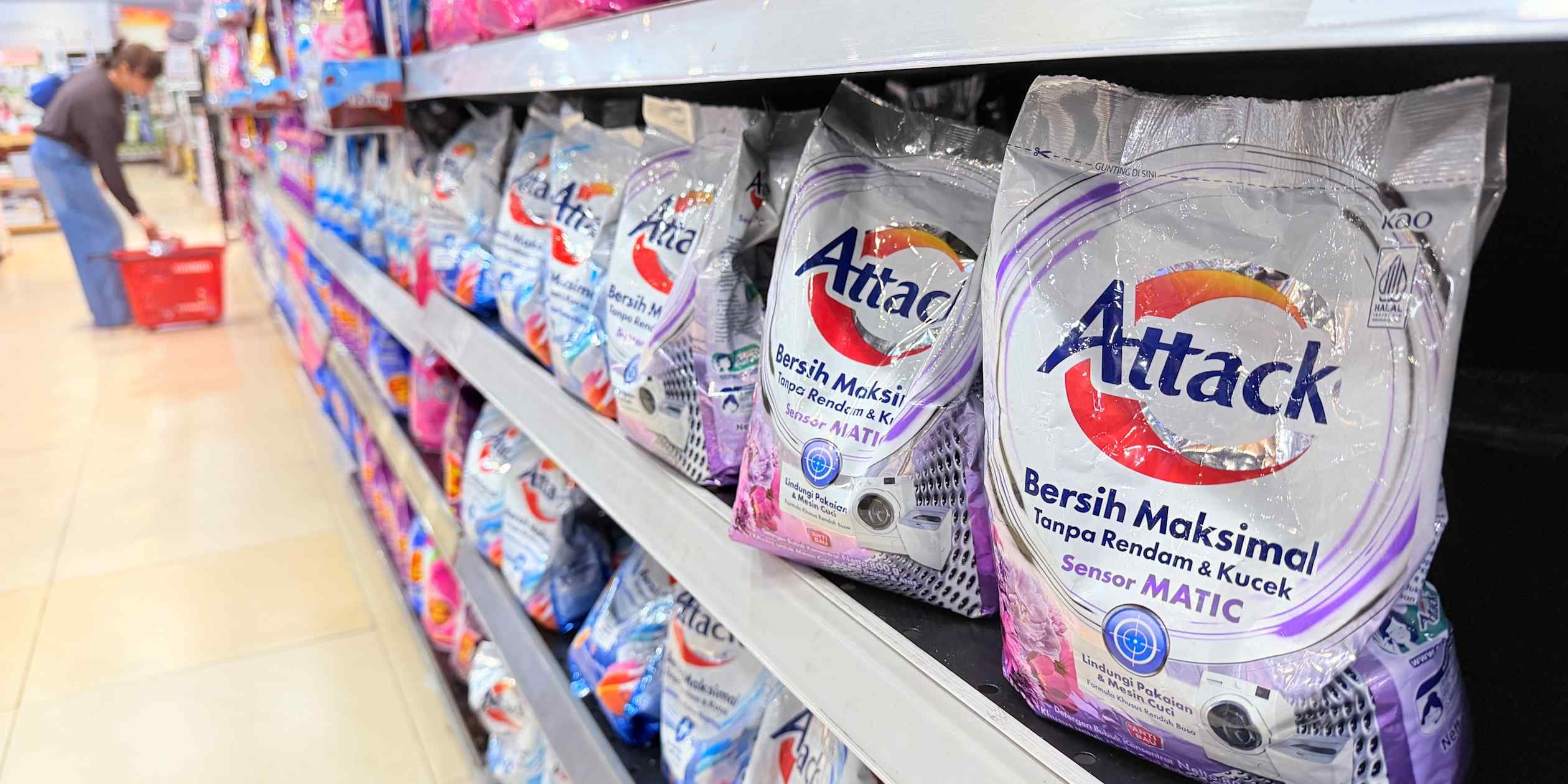
The image shows Kao products on a Jakarta store shelf, illustrating the consumer‑goods sector’s exposure to both demand and cost pressures.
Outlook
If inflation remains above the 4 % target for the next two quarters and real GDP growth stays below 5 %, the risk of entrenched stagflation rises sharply. Market participants will watch upcoming Bank Indonesia minutes for clues on further rate hikes, while the government’s budget plan due in August will be scrutinized for any shift toward fiscal consolidation.
For Kao Indonesia, the next six months will test the firm’s ability to balance price adjustments, cost‑containment initiatives, and product‑mix innovation in a market where consumers are increasingly price‑sensitive. The company’s response could serve as a bellwether for the broader consumer‑goods sector navigating Indonesia’s “vicious” stagflation scenario.
Comments
Please log in or register to join the discussion