A pending amendment (AB‑1856) to California’s age‑verification statute would explicitly exempt open‑source operating systems that allow free copying, redistribution and modification, shielding the majority of Linux distributions from compliance burdens while still targeting proprietary storefronts like Steam.
California’s Age‑Verification Bill May Spare Most Linux Distributions
The California State Legislature is reviewing AB‑1856, a bill that would tweak the state’s age‑verification law (AB‑1043) to carve out a broad exemption for open‑source operating systems. If the amendment clears the committee stage and reaches a floor vote in June, the changes could take effect when the original law becomes enforceable in early 2027.
What the original law required
AB‑1043 obliges any “operating system provider” that supplies a device to request a user’s age or birth date during initial setup. The intent is to block minors from accessing age‑restricted content without verification. The language, however, does not distinguish between proprietary platforms and community‑driven Linux distributions, raising concerns that the law could force hobbyist and server‑grade distros to embed age‑gate mechanisms.
The amendment’s key language
AB‑1856 introduces two precise definitions that reshape the scope of the law:
- Operating system provider – “does not mean a person or entity that distributes an operating system or application under license terms that permit a recipient to copy, redistribute, and modify the software.”
- Application – “does not include software components that are not themselves offered to consumers as a stand‑alone executable application through a covered application store.”
These clauses mirror the freedoms granted by the GPL, MIT, Apache and similar licenses, effectively stating that any OS that can be freely forked, rebuilt, and redistributed falls outside the law’s reach.
Who remains affected?
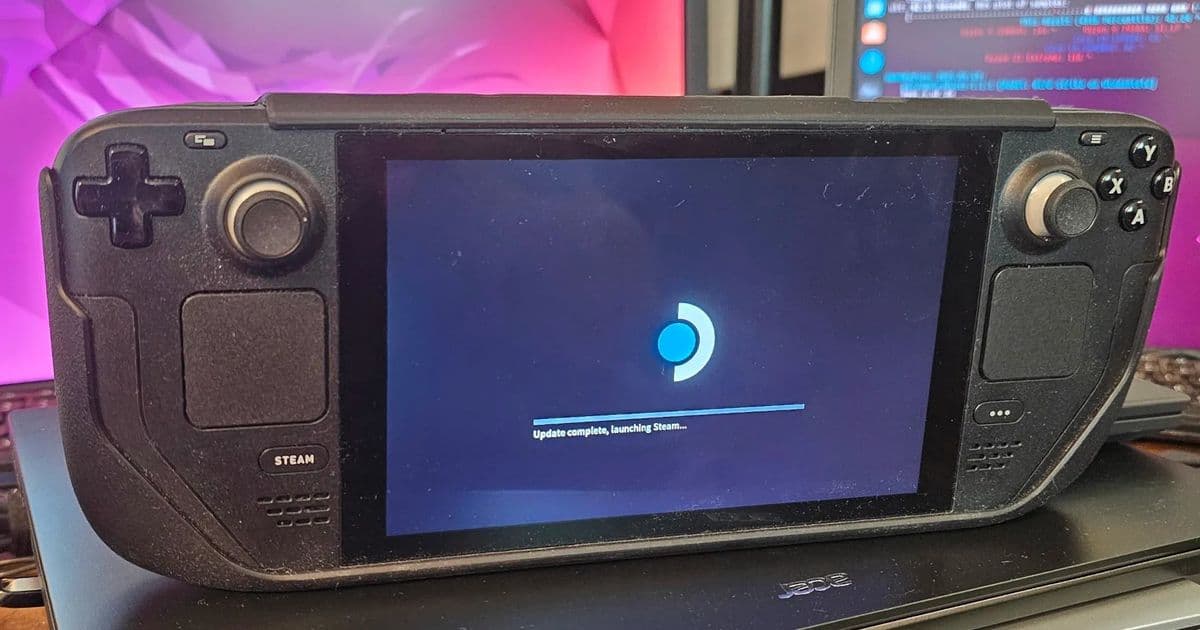
The exemption does not cover Linux‑based platforms that bundle proprietary storefronts or applications. A prime example is Valve’s SteamOS. Although the base OS is open source, the distribution ships the closed‑source Steam client, which qualifies as a “covered application store.” Under the original wording, SteamOS would still need to implement age verification at first boot, and the same would apply to any custom distro that ships a proprietary app store (e.g., Pop!_OS with the optional System76 store, or Ubuntu with Snap Store pre‑installed).
Practical impact for homelab builders
For most server‑grade distros—Debian, AlmaLinux, Rocky Linux, Arch, Gentoo, etc.—the amendment means you can continue to spin up VMs or bare‑metal nodes without adding age‑gate code. Power consumption, kernel tuning, and package selection remain pure technical concerns rather than legal ones.
| Distribution | License model | Likely exemption status |
|---|---|---|
| Debian | GPL/DFSG | Exempt |
| Ubuntu | Mixed (GPL + proprietary) | Exempt for base OS, but Snap Store may be affected |
| Fedora | GPL/Apache | Exempt |
| SteamOS | Open base + proprietary client | Not exempt |
| Pop!_OS | GPL/Proprietary store | Partial exemption |
Compatibility checklist for compliance‑free builds
- Verify the license chain – Ensure every component in the root filesystem is under a permissive or copyleft license that allows redistribution.
- Avoid bundled proprietary storefronts – If you need a GUI app store, consider alternatives like Flathub or AppImage which are not classified as “covered application stores.”
- Document the source tree – Keep a
COPYINGfile at the root of your image; this makes it trivial to demonstrate exemption if questioned by regulators. - Separate proprietary binaries – If you must ship a closed‑source driver or firmware, place it in
/optand do not expose it as a launchable “application” from the default menu.
What happens if AB‑1856 fails?
Should the amendment stall, the original law would still apply to any OS that can be installed on a consumer device sold in California. That would force distro maintainers to ship a user‑age‑prompt binary, potentially bloating images and adding a maintenance burden for projects that have never needed such UI flows.
Community response
The Linux Foundation and several distro maintainers have filed comments with the California legislature, emphasizing that the open‑source model already includes community‑driven age‑gate solutions (e.g., Steam’s own verification) and that imposing a blanket requirement would break the ethos of free software.
Bottom line for builders
If AB‑1856 passes, the majority of Linux‑based homelab and server images can continue to be built, tested, and deployed without any legal overlay. Only distributions that bundle a proprietary app store will need to either remove that component or implement a compliant age‑verification step.
For the latest on the bill’s progress, follow the California Legislative Information site and keep an eye on the Linux Foundation’s policy page.
Comments
Please log in or register to join the discussion