
Key insights from the architect of C# and TypeScript on language design, scaling constraints, and maintaining developer productivity across decades of evolution.
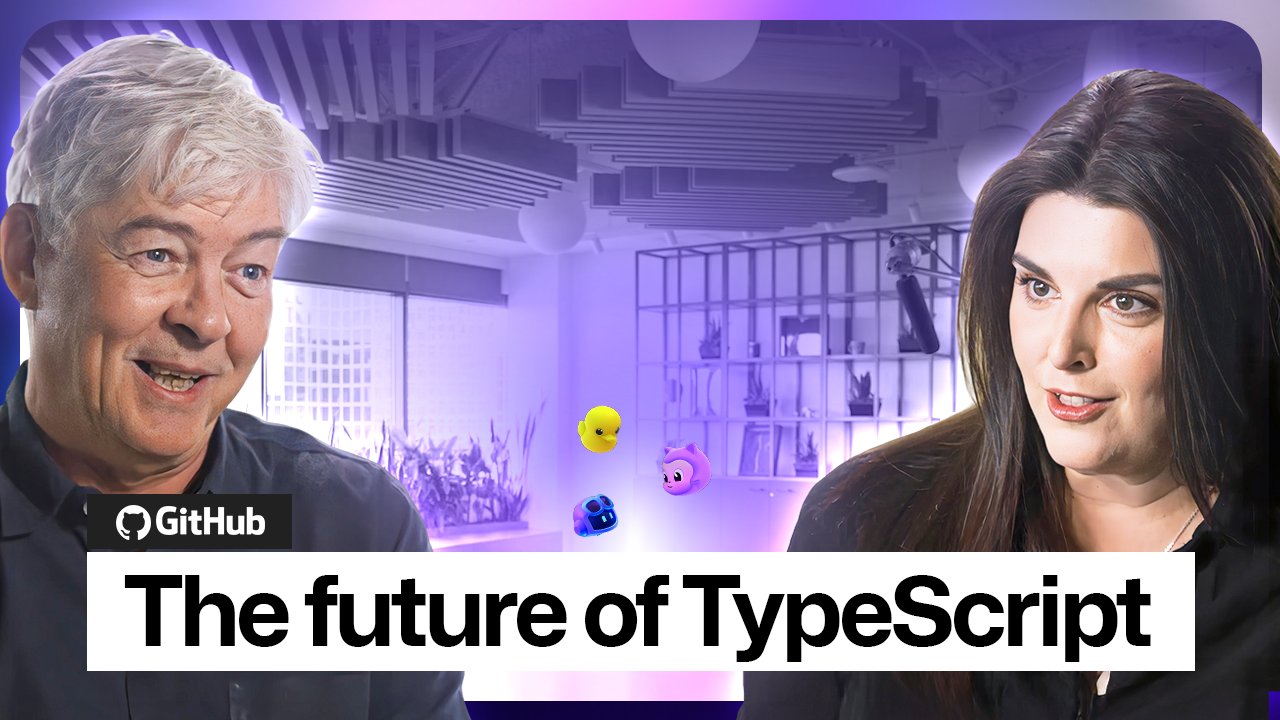
Anders Hejlsberg’s influence permeates modern software development. As the creator of Turbo Pascal, Delphi, lead architect of C#, and designer of TypeScript, his tools have shaped how millions of developers work. In a recent interview, Hejlsberg reflected on enduring principles for building systems that withstand real-world pressure. Here are seven key insights from his decades of experience.
1. Fast Feedback Loops Are Non-Negotiable
Hejlsberg’s early work on Turbo Pascal prioritized immediate execution in 64KB memory environments: "When you typed your code, you wanted to run it immediately." This philosophy persists in TypeScript’s tooling—like incremental type checking and fast language services—which enable experimentation and refactoring at scale. The lesson for tool builders: Responsiveness isn’t a luxury. Tools introducing latency get sidelined, regardless of power.
2. Scaling Requires Sacrificing Personal Preferences
Transitioning from solo work to leading teams taught Hejlsberg to prioritize collective efficacy over individual style: "You have to accept that things get done differently than you would have preferred." C# succeeded by balancing Visual Basic’s approachability with C++’s power, not through theoretical purity. The takeaway? Systems scale when they accommodate how teams actually work, not idealized workflows.
3. Pragmatism Trumps Idealism in Ecosystem Adoption
TypeScript’s success stemmed from respecting JavaScript’s dominance rather than rejecting it: "Telling developers to abandon their ecosystem wasn’t realistic." By extending JavaScript instead of creating a new language, TypeScript avoided the tooling vacuum that dooms many alternatives. This illustrates a broader pattern: Incremental improvements within existing workflows spread faster than wholesale replacements.

4. Open Source Thrives on Transparent Decision-Making
TypeScript’s 2014 move to GitHub transformed its development. Public pull requests and issue discussions made prioritization visible. Hejlsberg notes: "We have 12 years of history captured in our project... The context doesn’t disappear into email or private systems." This visibility builds trust and preserves institutional knowledge—critical for long-term maintenance.
5. Implementation Languages Must Evolve With Scale
TypeScript’s compiler originally ran on JavaScript, but scaling revealed fundamental limits: single-threaded execution, no shared-memory concurrency, and expensive object models. The solution? A behavior-preserving port to Go—not Rust—leveraging garbage collection and structural similarity. The result was significant performance gains without breaking existing workflows. Sometimes the responsible choice is preserving behavior while removing hard limits.
6. AI Demands Stronger Guardrails, Not New Languages
Hejlsberg dismisses "AI-first languages" as impractical. Instead, he sees AI shifting tooling priorities: Deterministic tools like type checkers become essential guardrails for AI-generated code. "The value isn’t creativity—it’s accuracy and constraint." In AI-assisted workflows, semantic precision prevents plausible but incorrect code from proliferating.
7. Institutional Memory Fuels Sustainable Systems
Hejlsberg attributes TypeScript’s longevity to GitHub’s preservation of decision history: "Design debates and tradeoffs remain accessible long after decisions are made." This institutional memory helps new contributors understand system evolution without relying on tribal knowledge.

Comments
Please log in or register to join the discussion