
Opera GX's new Linux release sparks backlash over Snap packaging limitations.
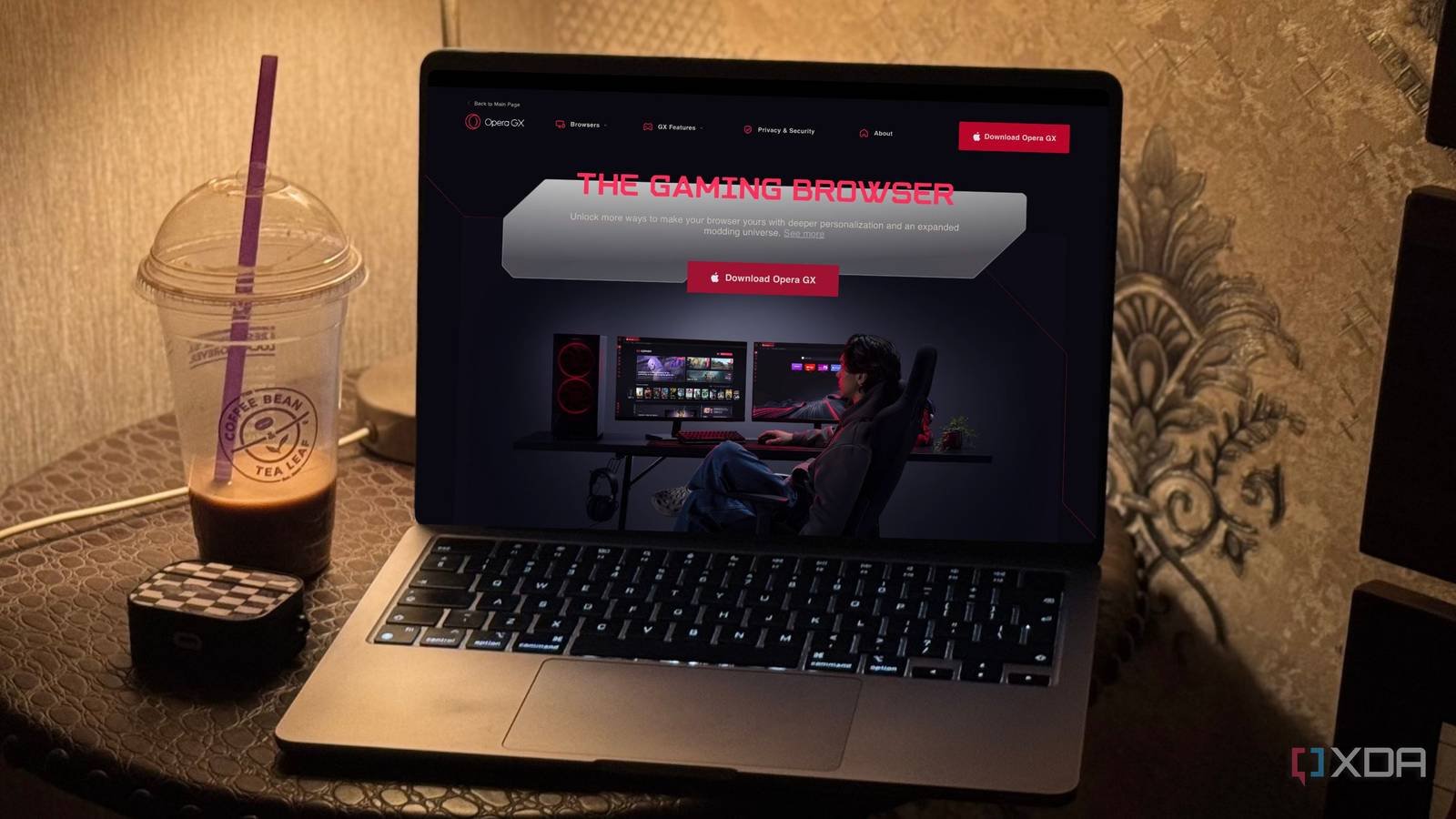
Opera Software has officially launched Opera GX for Linux, marking the gaming browser's debut on the open-source platform. While Linux users have long requested native support, the implementation has ignited controversy: Opera chose to distribute the browser exclusively as a Snap package, bypassing traditional package formats like DEB or RPM that many Linux distributions prefer.
Snap packages, developed by Canonical for Ubuntu, operate within a containerized environment. This approach theoretically enhances security through application sandboxing but introduces practical drawbacks:
- Forced updates: Snap applications automatically update without user consent
- Performance concerns: Users report slower cold-start times compared to native packages
- Filesystem restrictions: Strict confinement limits access to external drives and peripheral devices
- Centralized control: Updates and distribution rely entirely on Canonical's Snap Store
Developer reactions highlight the friction:
"Choosing Snap exclusively ignores the fragmentation in Linux packaging ecosystems," says Martin Wimpress, former Ubuntu Desktop lead. "Power users expect installation flexibility."
Opera's official announcement cites Snap's "security benefits and streamlined distribution" as deciding factors. Yet community forums reveal widespread frustration:
- Arch Linux users must manually configure Snap support for a browser that could run natively
- Debian enthusiasts face compatibility hurdles despite Opera's .deb packages for standard Opera
- Privacy-focused distributions like Fedora Silverblue avoid Snap entirely
Technical limitations compound the discontent. Opera GX's signature RAM and CPU limiters – core features for gamers – function inconsistently within Snap's confined environment. Hardware acceleration support varies across GPU configurations due to Snap's graphics layer abstraction.
Alternatives exist: Flatpak offers similar sandboxing without Canonical dependency, while AppImages provide portable executables. Opera's decision to avoid these options suggests strategic alignment with Ubuntu's ecosystem, though official statements haven't clarified future packaging plans.
The controversy underscores Linux's packaging politics: distribution maintainers prioritize user control and system integration. Opera GX's Snap-only approach sacrifices these principles for centralized convenience – a tradeoff many Linux users refuse to accept.
Comments
Please log in or register to join the discussion