
Loris Cro argues that Zig Days should keep discussions and live coding away from large language models, preserving the community’s focus on hands‑on systems thinking and peer learning.
About LLMs at Zig Days
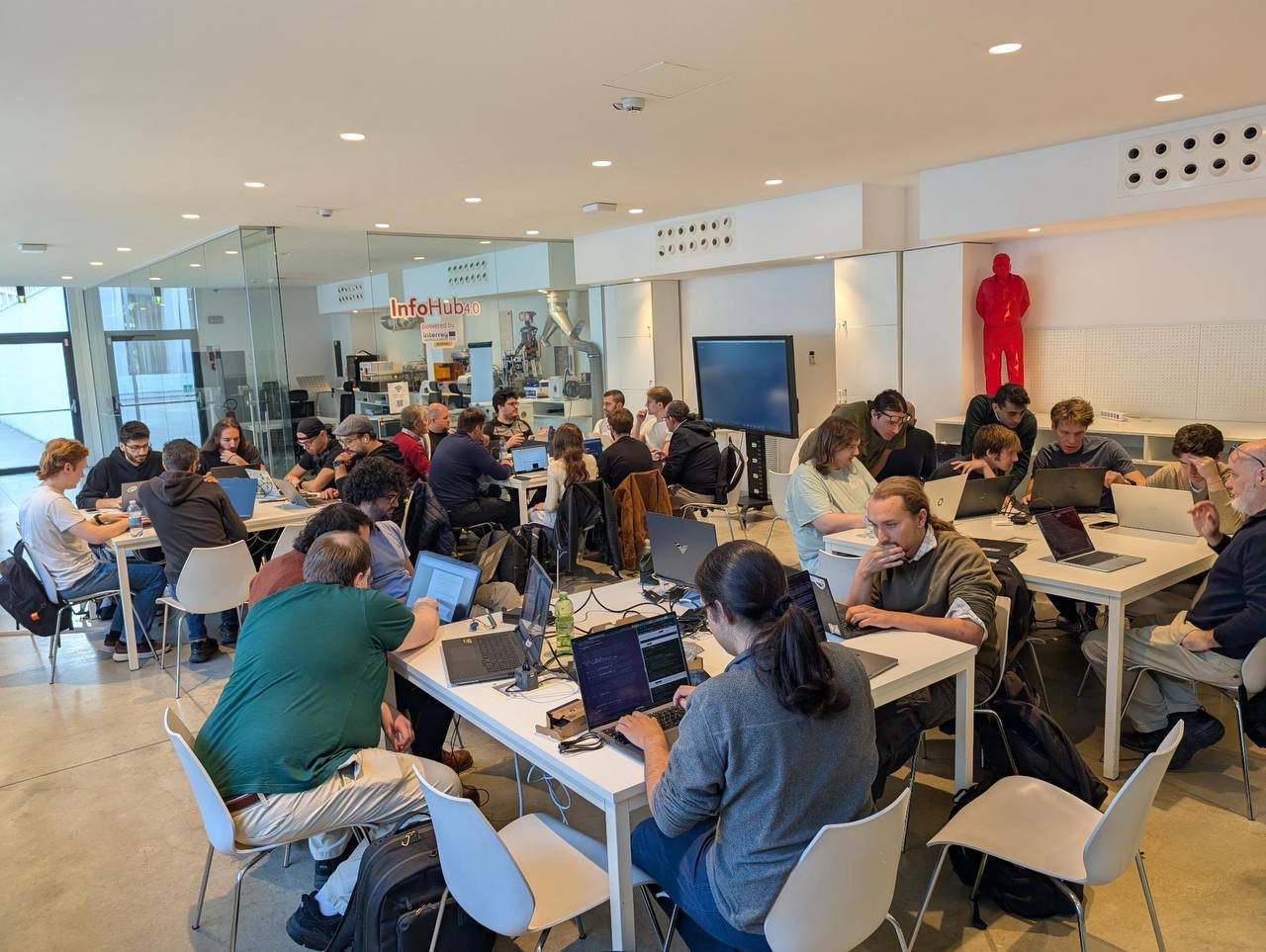
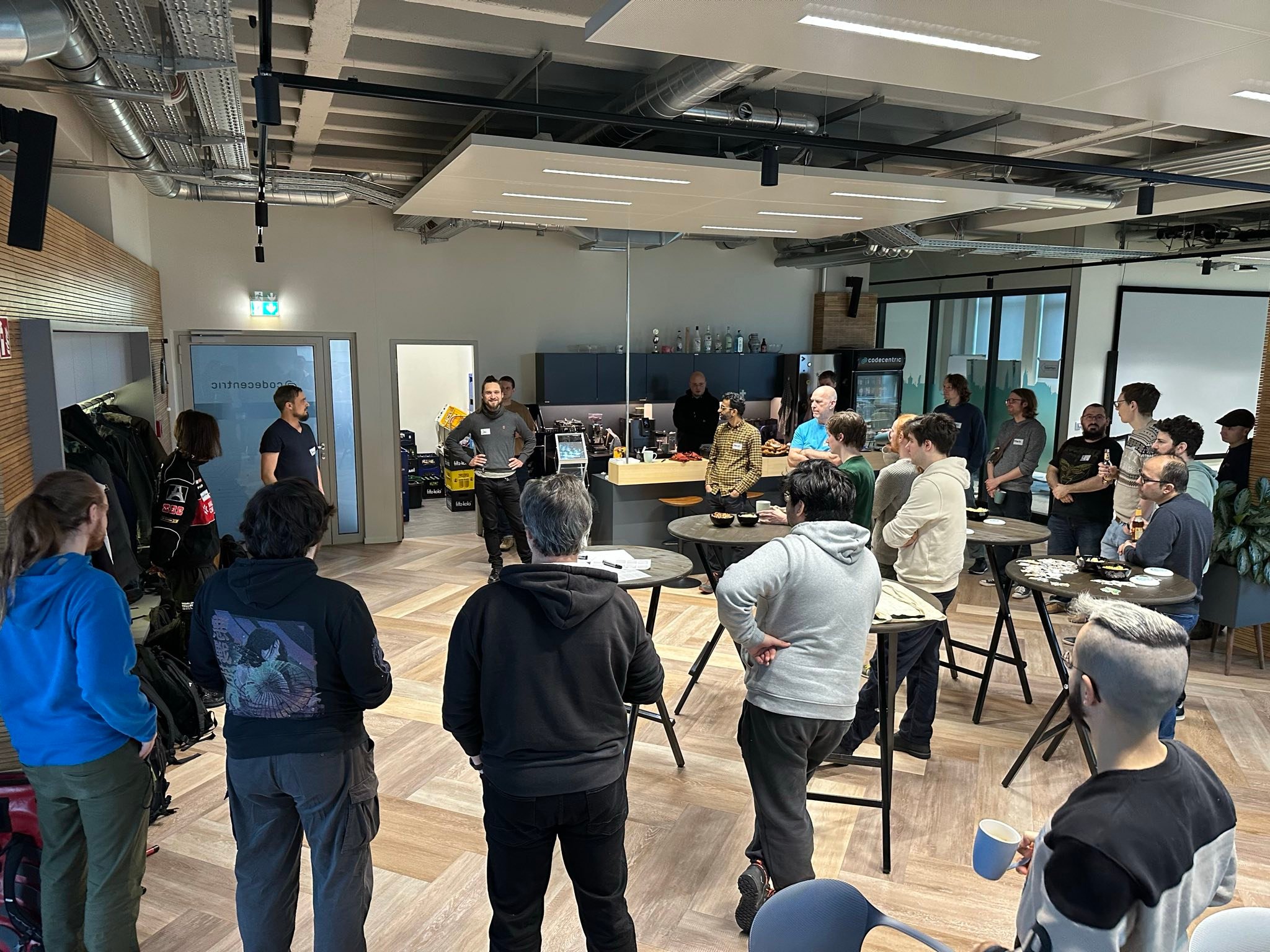
Zig Days are full‑day, Saturday‑long hack‑sessions where members of the Zig community gather, introduce personal projects, and either form small groups or work solo. The format is deliberately lightweight: a quick intro, a day of coding, and (optionally) a demo at the end. All upcoming events are listed on the official calendar zig.day.
What’s being claimed?
The post urges organizers and participants to limit LLM‑related conversation and usage during the event. The author observes that, in 2026, AI chat‑bots dominate many technical discussions, often crowding out deeper talks about data structures, algorithms, and low‑level system design—topics that Zig Days were created to nurture.
What’s actually new?
- A concrete social guideline – Rather than a blanket ban, the author suggests a soft rule: start the day with a brief reminder to keep the conversation focused on human‑to‑human problem solving. This is a practical recommendation that event hosts can adopt without changing the official Zig Day charter.
- A cultural counter‑trend – While most conferences are adding LLM workshops, this note highlights a community that deliberately resists that pressure, preserving a space for manual coding practice.
- A reminder of the learning loop – By encouraging participants to ask peers before turning to an AI, the post reinforces the classic apprenticeship model: you learn more by explaining concepts to another person than by receiving a ready‑made answer.
Limitations and trade‑offs
- Scalability – A small, self‑selected group can police LLM chatter informally; larger gatherings may need a clearer policy or a moderator, which adds overhead.
- Opportunity cost – Completely shunning LLMs means missing out on legitimate productivity gains (e.g., quick API look‑ups, boilerplate generation). The recommendation to limit rather than ban tries to balance this, but the line remains fuzzy.
- Skill variance – Newcomers who rely on AI for basic syntax may feel excluded if they cannot get instant help. Organizers might need to provide a brief “LLM‑free zone” period followed by an optional “AI‑assist” slot.
- Future relevance – If the industry moves toward agentic coding pipelines, the skill of coding without assistance could become niche. The post acknowledges this risk but argues that a solid grounding in systems fundamentals will remain valuable for steering agents and for differentiating oneself in the job market.
Practical suggestions for organizers
- Kick‑off reminder – At the start, spend a minute stating the day’s focus: peer learning, hands‑on debugging, and deep dives into Zig‑specific patterns.
- Soft enforcement – Encourage participants to flag when a conversation drifts toward “just ask the AI.” A gentle nudge is usually enough.
- Designated AI windows – If the group wants, allocate a short, optional period (e.g., the last hour) where LLM tools can be used for polishing demos. This keeps the main body of the day LLM‑free while still acknowledging the tools’ existence.
- Document the norm – Add a short bullet point to the event description on the Zig Day page, making the expectation visible to newcomers.
Why it matters for the Zig community
Zig’s philosophy emphasizes explicit control, predictable performance, and minimal hidden magic. When a discussion is constantly mediated by a black‑box model, the community risks drifting away from those core values. Maintaining a space where developers wrestle with the language directly reinforces the mindset that makes Zig attractive: you understand what the compiler does, you can reason about memory layout, and you get immediate feedback from the toolchain—not from a remote model.
Bottom line
The post does not claim that LLMs are useless; it simply argues that unrestricted LLM chatter can dilute the educational value of Zig Days. By setting a modest, community‑driven guideline—rather than an outright ban—organizers can preserve the event’s original intent while still allowing participants to experiment with AI tools in a controlled way.
Comments
Please log in or register to join the discussion