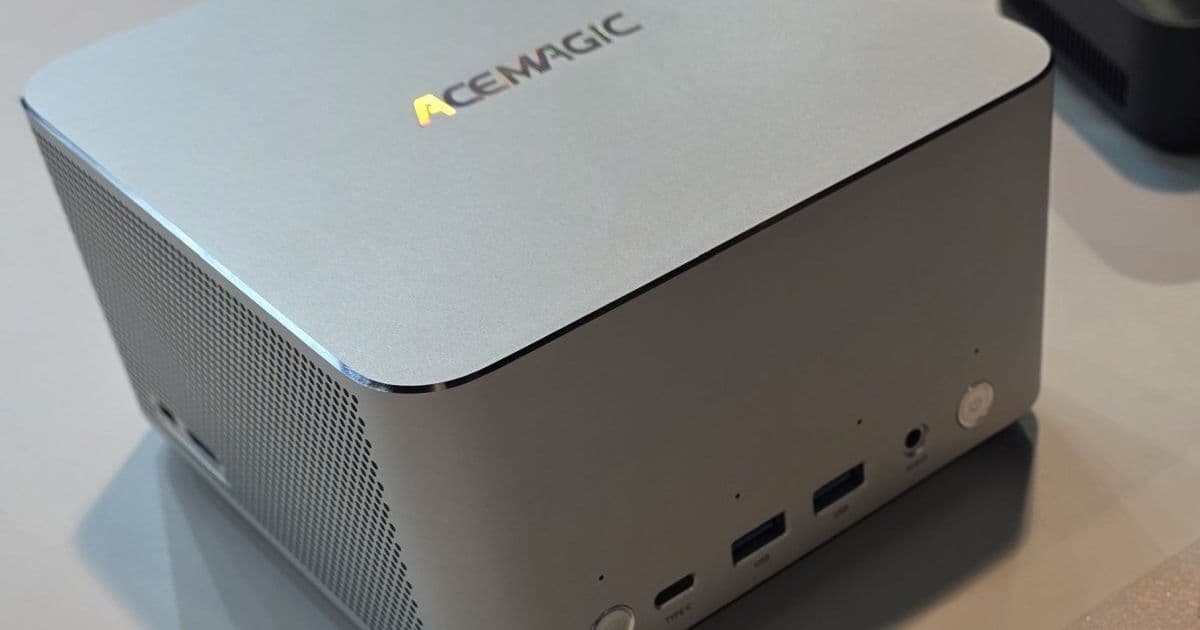
ACEMAGIC's new mini PCs offer Intel Core Ultra 9 386H or X9 388H processors in two form factors, with taller models enabling 120W thermal designs for sustained performance.
Platform Update: Dual-Form Design for Thermal Flexibility
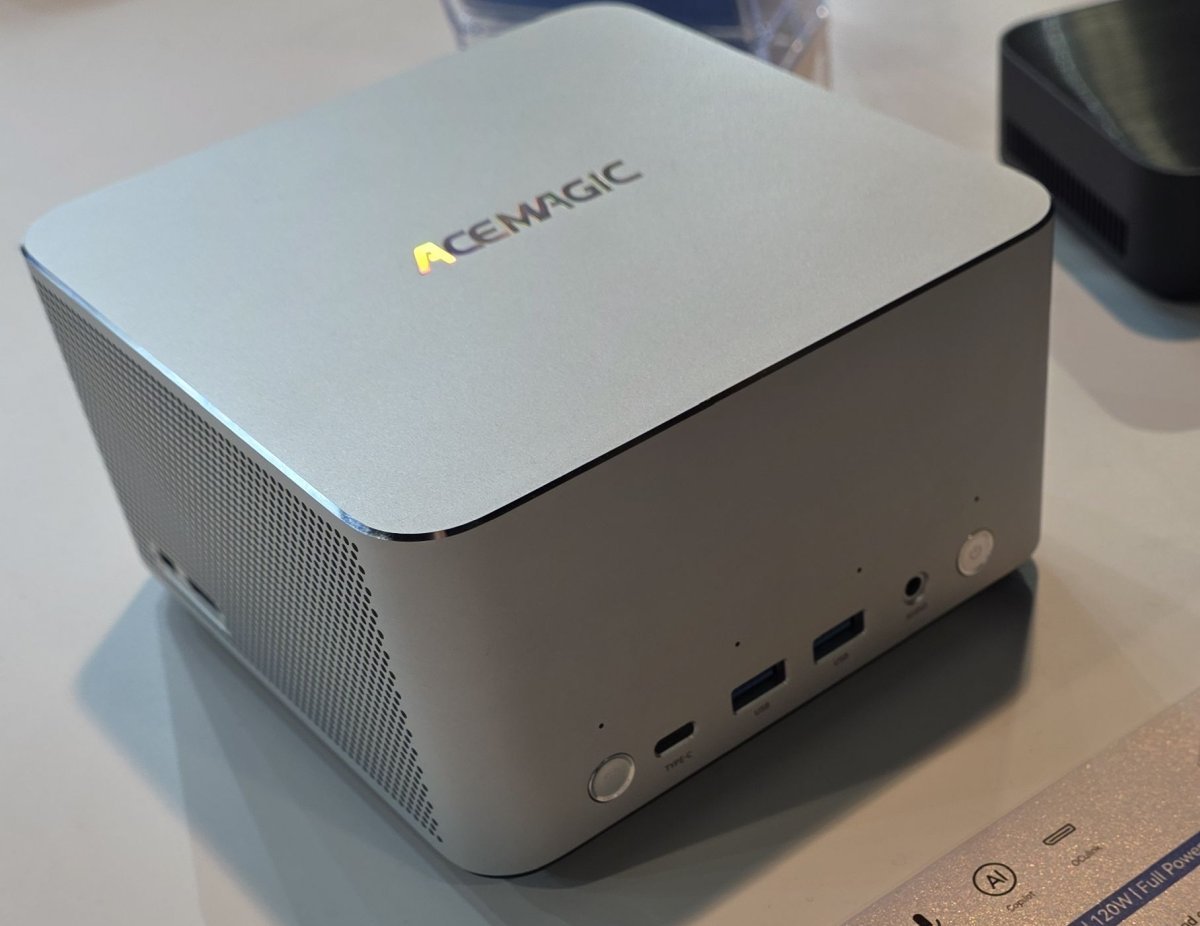
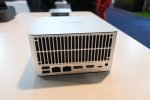
Chinese manufacturer ACEMAGIC has introduced two mini PC variants built around Intel's upcoming Panther Lake processors. Both models share identical core specifications but diverge dramatically in thermal design:
- Compact Model (147 × 147 × 39mm): Enforced 65W power ceiling
- Taller Model (147 × 147 × 81mm): Supports up to 120W for sustained workloads
The height differential accommodates an enhanced cooling solution in the taller chassis, directly impacting long-term performance potential for compute-intensive tasks. This design acknowledges the thermal constraints that frequently bottleneck mini PC performance.
Shared Hardware Specifications
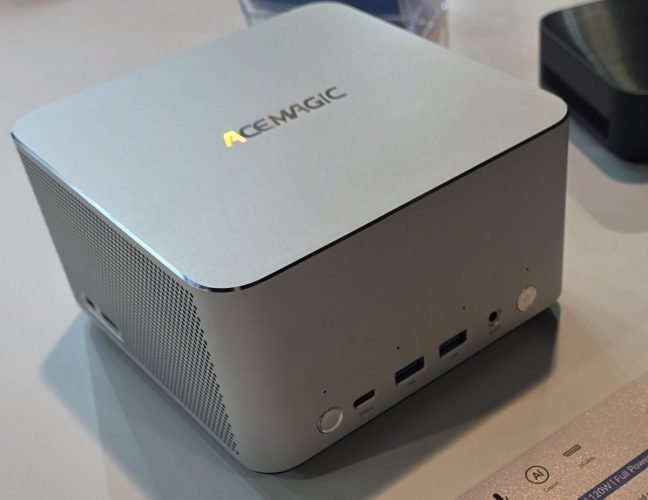
Both configurations include:
- Intel Core Ultra 9 386H or Core Ultra X9 388H processors
- Up to 96GB LPDDR5 onboard memory
- Dual M.2 2280 PCIe NVMe SSD slots
- WiFi 7 and Bluetooth 5.4 connectivity
- Port selection:
- 1 × OCuLink
- 2 × USB4 Type-C
- 4 × USB 3.2 Type-A
- 1 × HDMI 2.1
- 1 × DisplayPort 2.0
- 2 × 2.5GbE LAN
- 3.5mm audio combo jack

Developer Impact: Processor Selection Tradeoffs
The processor options present distinct advantages for different workloads:
| Specification | Core Ultra X9 388H | Core Ultra 9 386H |
|---|---|---|
| Graphics | Arc Pro B390 (12 cores) | Intel Graphics (4 cores) |
| Memory Support | LPDDR5X-9600 | LPDDR5-8533 / DDR5-7200 |
| PCIe Lanes | 8 × Gen4 + 4 × Gen5 | 8 × Gen4 + 12 × Gen5 |
| Memory Upgrade | Soldered | User-replaceable (unconfirmed) |
Developers prioritizing GPU acceleration (AI workloads, rendering) will benefit from the X9 388H's superior integrated graphics. Those needing PCIe expandability or potential RAM upgrades might prefer the 386H configuration despite its weaker GPU.
Thermal Considerations for Sustained Workloads
The 120W thermal design provides significant advantages:
- Performance Consistency: Prevents throttling during extended compilation, rendering, or virtualization sessions
- Higher Turbo Durations: Maintains peak clock speeds longer than the 65W variant
- Workload Flexibility: Accommodates bursty and continuous high-demand operations
Developers should evaluate whether their typical workloads (container deployment, CI/CD pipelines, local builds) require the thermal headroom of the taller chassis. The compact model remains viable for lighter DevOps environments or edge deployments.
Comments
Please log in or register to join the discussion