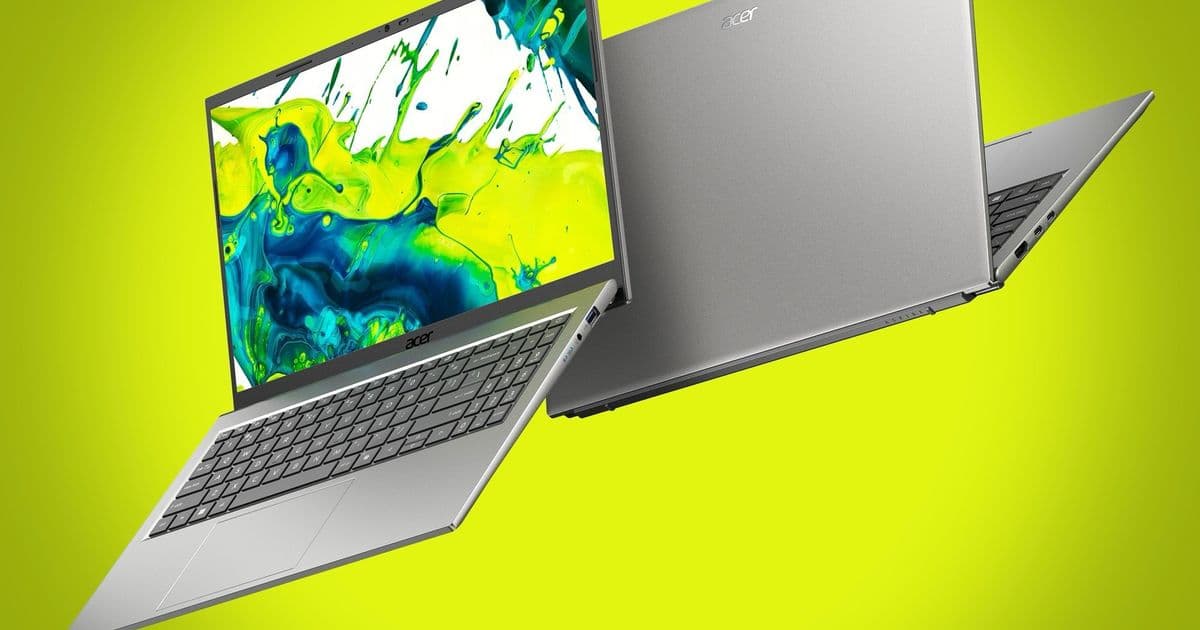
Acer’s upcoming Aspire Go 15, powered by Qualcomm’s unrevealed Snapdragon C SoC, promises sub‑$300 laptops with as little as 4 GB RAM. The article breaks down the hardware choices, compares them to the MacBook Neo and existing Snapdragon‑X models, and explains who might actually consider such a stripped‑down machine.
What’s new
Acer has filed a data sheet for the Aspire Go 15, the first notebook to ship with Qualcomm’s upcoming Snapdragon C processor. The spec sheet lists a “up to 8 GB RAM” configuration, a “up to 512 GB SSD”, and a price point that starts around US $300. In practice, the base model is expected to ship with 4 GB of LPDDR4X RAM and a modest 64 GB eMMC storage option, mirroring the minimum requirements Microsoft set for Windows 11.
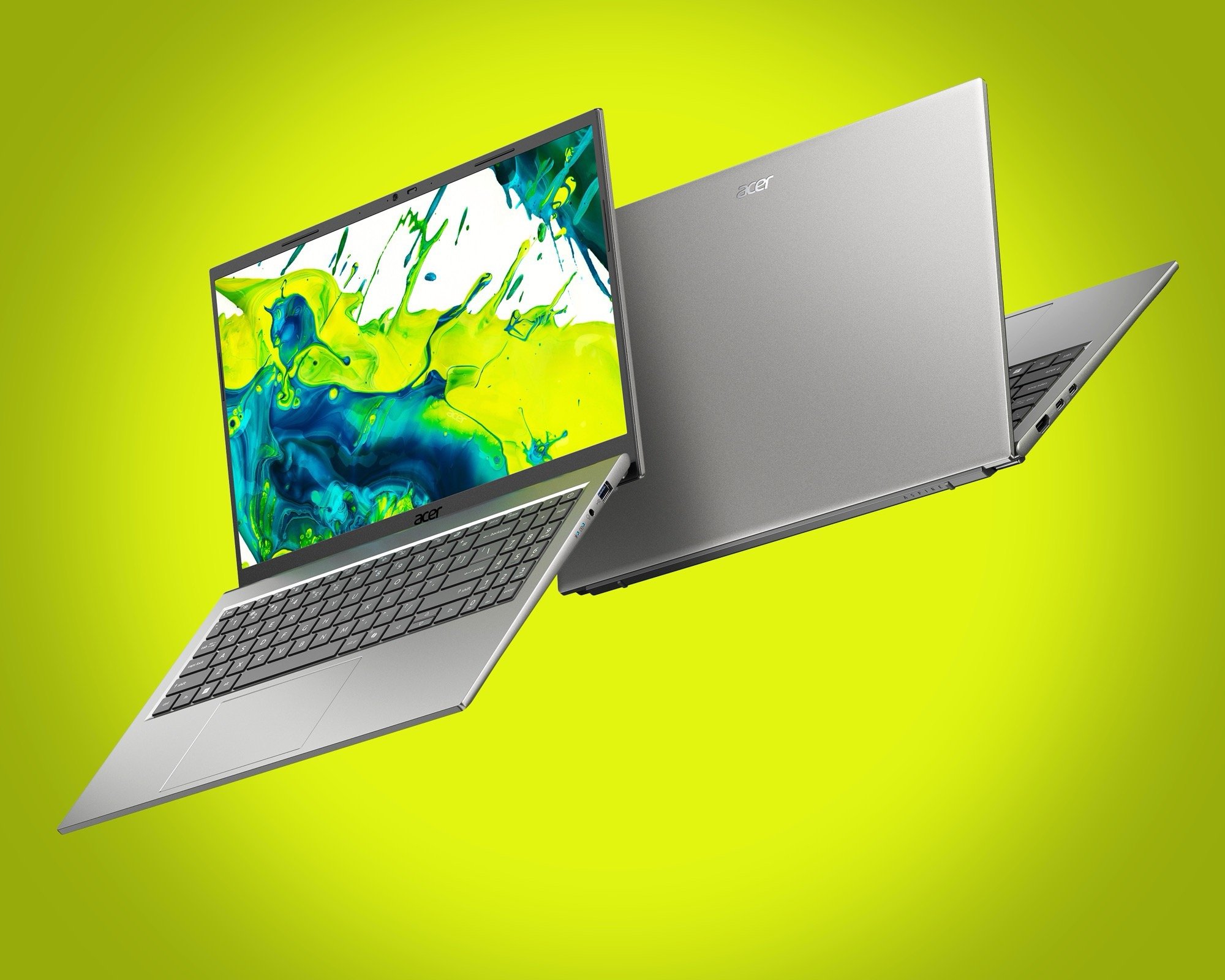
The device is positioned as a direct competitor to Apple’s MacBook Neo, which also targets the low‑to‑mid‑range segment but pairs a smartphone‑class ARM chip with a premium aluminum chassis, a 500‑nit IPS display, and a large multi‑touch trackpad. While the MacBook Neo ships with 8 GB RAM and a higher‑quality build, Acer’s offering trades those comforts for a plastic chassis and a lower‑resolution screen in order to hit the $300 price.
How it compares
| Feature | Acer Aspire Go 15 (Snapdragon C) | Apple MacBook Neo (Snapdragon X) | Typical Snapdragon‑X Windows laptops |
|---|---|---|---|
| CPU | Qualcomm Snapdragon C (specs undisclosed) | Qualcomm Snapdragon X (8‑core, 2.8 GHz) | Snapdragon X (8‑core, 2.5‑3.0 GHz) |
| RAM | 4 GB (base) – up to 8 GB | 8 GB LPDDR4X | 4‑8 GB LPDDR4X |
| Storage | 64 GB eMMC (base) – up to 512 GB SSD | 256 GB‑1 TB SSD | 128 GB‑512 GB SSD |
| Display | 15.6" 1366×768, plastic panel, ~250 nits | 13.3" 1920×1200, aluminum, 500 nits | 14‑15" 1080p, 300‑400 nits |
| Chassis | Plastic, thin‑bezel | Aluminum, premium finish | Plastic or aluminum (varies) |
| OS | Windows 11 (64‑bit) | macOS (ARM) | Windows 11 (ARM) |
| Price | $300‑$350 | $1,099+ | $400‑$800 |
A few takeaways emerge from the table:
- Performance vs. price – Snapdragon C is expected to be a cut‑down version of Snapdragon X, likely with fewer GPU cores and a lower clock ceiling. Expect single‑core performance similar to early‑generation ARM laptops, but multi‑core workloads will feel constrained.
- Memory cost – With DRAM prices still hovering around $120 per 8 GB stick, the decision to ship 4 GB RAM saves roughly $60 per unit, a significant margin at the $300 price point.
- Display and build quality – The plastic chassis and low‑brightness panel are the biggest compromises. For users who need a laptop for email, web browsing, and light office work, these trade‑offs may be acceptable.
Who it’s for
- Students on a shoestring budget – A $300 laptop that runs Windows 11 can handle Google Docs, Microsoft Office online, and video streaming without the $600‑$800 price tag of most entry‑level Windows laptops.
- Emerging markets – In regions where broadband is limited and cloud storage is costly, the modest SSD and 4 GB RAM keep the device affordable while still offering a full Windows experience.
- Secondary “on‑the‑go” device – Professionals who already own a primary workstation might use the Aspire Go 15 as a lightweight companion for travel, provided they can tolerate the lower‑resolution screen.
Who should look elsewhere
- Content creators – Video editing, photo manipulation, and any workload that relies on GPU acceleration will quickly outgrow the Snapdragon C’s modest graphics block.
- Power users – Developers, data analysts, or anyone who runs multiple VMs will find 4 GB RAM insufficient, even with Windows 11’s memory‑compression tricks.
- Premium‑experience seekers – If a high‑quality aluminum chassis, a bright display, and a responsive trackpad matter, the MacBook Neo or any mid‑range Windows laptop with an Intel/AMD CPU will feel far more refined.
The broader context
The resurgence of 4 GB‑RAM laptops is less about a technological breakthrough and more about cost‑cutting. Qualcomm’s ARM roadmap has opened a path for OEMs to avoid the price premiums associated with Intel’s 12th‑gen chips, while DRAM scarcity keeps memory costs high. By pairing a low‑end SoC with a minimal RAM configuration, Acer can price the Aspire Go 15 below the $350 threshold, a sweet spot for many first‑time laptop buyers.
If Qualcomm eventually releases detailed benchmarks for Snapdragon C, we’ll be able to quantify the performance gap more precisely. Until then, the device should be viewed as a budget‑first offering rather than a performance‑first one.
Sources: Acer official product page, Microsoft Windows 11 minimum hardware requirements, Qualcomm Snapdragon announcements.
Comments
Please log in or register to join the discussion