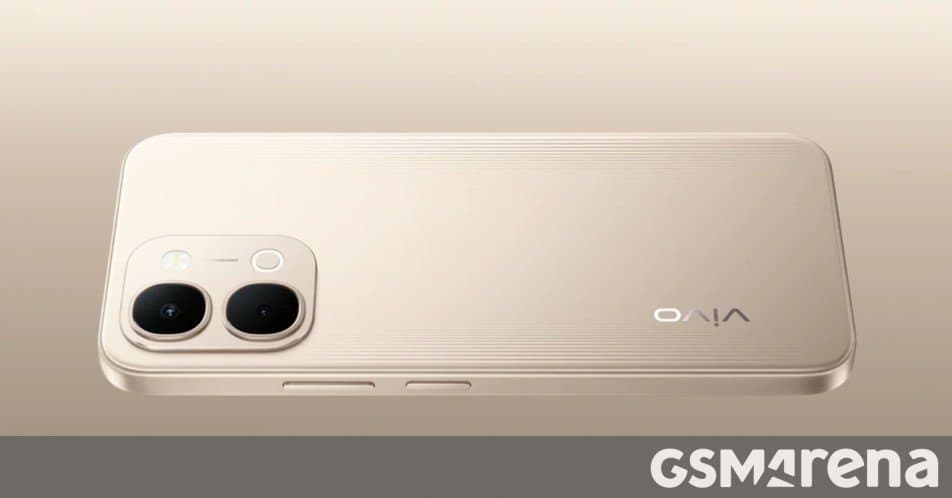
vivo’s new budget‑friendly T5 arrives in Mexico with a Snapdragon 6s Gen 2 processor, a 6.75‑inch 120 Hz LCD, a massive 7,200 mAh battery that supports 44 W wired charging, and an IP69 rating for water‑dust resistance.
Announcement
vivo has slipped a new entry‑level 4G phone into the Mexican market without fanfare. The device, called the vivo T5, is positioned as a value‑oriented handset that punches above its price class thanks to a huge 7,200 mAh battery and an IP69 durability rating. It ships with Android 16‑based OriginOS 6 and is priced at MXN 5,799 (about $335).
Key specifications
| Feature | Details |
|---|---|
| Display | 6.75‑inch LCD, 120 Hz refresh, HD+ (720 × 1650) |
| Processor | Snapdragon 6s Gen 2 (8 nm) |
| Memory / Storage | 8 GB LPDDR4X RAM, 256 GB UFS 2.2 |
| Battery | 7,200 mAh, 44 W wired fast charge |
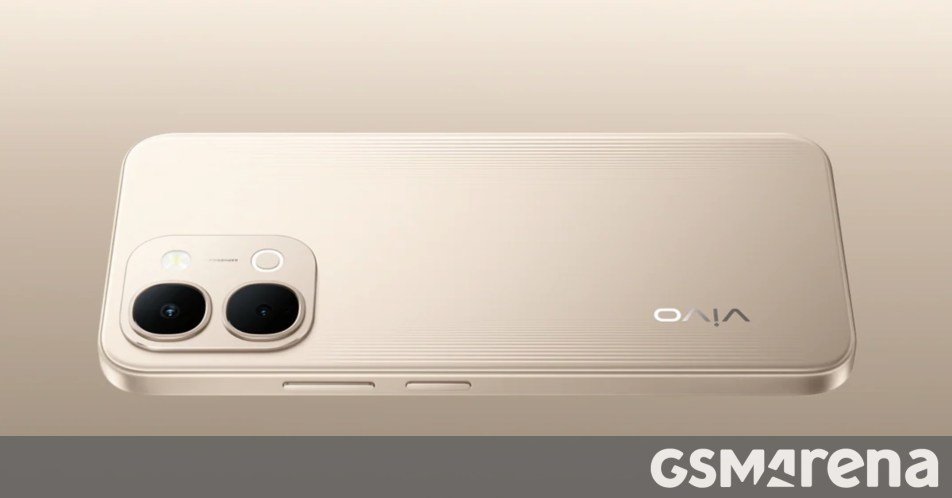
| Rear camera | 50 MP main sensor + 2 MP depth |
| Front camera | 32 MP |
| OS | OriginOS 6 (Android 16) |
| Durability | IP68/IP69 rating, side‑mounted fingerprint, stereo speakers |
| Connectivity | Dual‑band Wi‑Fi, Bluetooth 5.1, NFC, infrared blaster, USB‑C, dual‑SIM 4G |
| Colors | Black, Gold |
| Price | MXN 5,799 (~$335) |
Battery and endurance
The 7,200 mAh cell is the largest you’ll find in a sub‑$350 Android phone in 2026. Vivo claims up to 45 hours of video playback on a single charge, a figure that aligns with the typical power draw of an HD+ LCD at 120 Hz. The 44 W charger can push the battery from 0 % to 50 % in roughly 30 minutes, which is fast enough for most daily top‑ups. Compared with the 5,000 mAh batteries common in this price tier, the T5 offers roughly 40 % more capacity, translating into noticeably longer intervals between charges.
Processor and performance
Snapdragon 6s Gen 2 is Qualcomm’s mid‑range workhorse for 2025‑26. Built on an 8 nm process, it balances power efficiency with enough CPU heads‑up‑display (H‑U) to handle everyday tasks, light gaming, and media consumption. Paired with 8 GB of LPDDR4X RAM, the T5 can keep multiple apps open without noticeable slow‑downs. Storage uses UFS 2.2, which is slower than the newer UFS 3.1 found in flagship devices, but still provides acceptable read/write speeds for app installs and media transfers.
Camera system
A 50 MP primary sensor (likely a Sony IMX 766‑type) with pixel‑binning delivers 12.5 MP output in most lighting conditions, while the 2 MP depth sensor assists with portrait mode. The 32 MP front camera is unusually high‑resolution for a budget phone, giving sharp selfies and decent video‑call quality. The camera module is housed in a squarish metal block, which adds a premium feel and contributes to the device’s IP69 rating.
Software and ecosystem lock‑in
OriginOS 6 sits on top of Android 16 and brings Vivo’s custom UI tweaks, such as the Smart Split Screen and Battery Saver Pro. While the UI is visually appealing, it does add a layer of proprietary apps that may not be removable. However, the phone supports the full suite of Google services and can run most Android apps without compatibility issues. The IP68/IP69 rating means the device can survive immersion in water up to 1.5 m for 30 minutes and is dust‑tight, a rarity in this segment.
Ecosystem context
The T5’s launch in Mexico hints at Vivo’s strategy of targeting emerging markets with high‑capacity, low‑cost devices. By offering a 7,200 mAh battery and robust ingress protection, Vivo differentiates the T5 from other budget phones that typically compromise on durability. The Snapdragon 6s Gen 2 chipset also aligns with the company’s broader “S‑series” roadmap, which aims to provide a consistent performance tier across price points.
For users already invested in Vivo’s ecosystem—such as those who own a Vivo X‑series flagship or use Vivo’s cloud backup services—the T5 adds a seamless bridge. Data migration tools in OriginOS allow easy transfer of contacts, photos, and app data from higher‑end Vivo devices. Conversely, the phone’s reliance on Vivo‑specific UI elements may deter Android purists who prefer a near‑stock experience.
Competitor comparison
| Device | Battery | SoC | Price (USD) |
|---|---|---|---|
| vivo T5 | 7,200 mAh | Snapdragon 6s Gen 2 | 335 |
| Xiaomi Redmi 13 | 5,000 mAh | MediaTek Dimensity 7200 | 250 |
| Realme 12 Pro+ | 5,200 mAh | Snapdragon 7 Gen 1 | 300 |
The T5’s battery advantage is clear, though its LCD panel and UFS 2.2 storage lag behind the AMOLED and UFS 3.1 options seen in some rivals. Buyers who prioritize all‑day use without a charger will likely find the T5 compelling.
Bottom line
vivo’s T5 is a pragmatic addition to the budget market: a massive battery, respectable mid‑range performance, and a high IP rating give it a unique value proposition. While the display and storage technology are not cutting‑edge, they are adequate for everyday use. For consumers in Mexico—and potentially other Latin American markets—who need a phone that can survive a day of heavy media consumption and occasional splashes, the T5 offers a well‑rounded package at a competitive price.
Related links
- Official Vivo T5 announcement page (if available) – vivo.com
- Snapdragon 6s Gen 2 specifications – Qualcomm
- OriginOS 6 feature overview – OriginOS Docs
Comments
Please log in or register to join the discussion