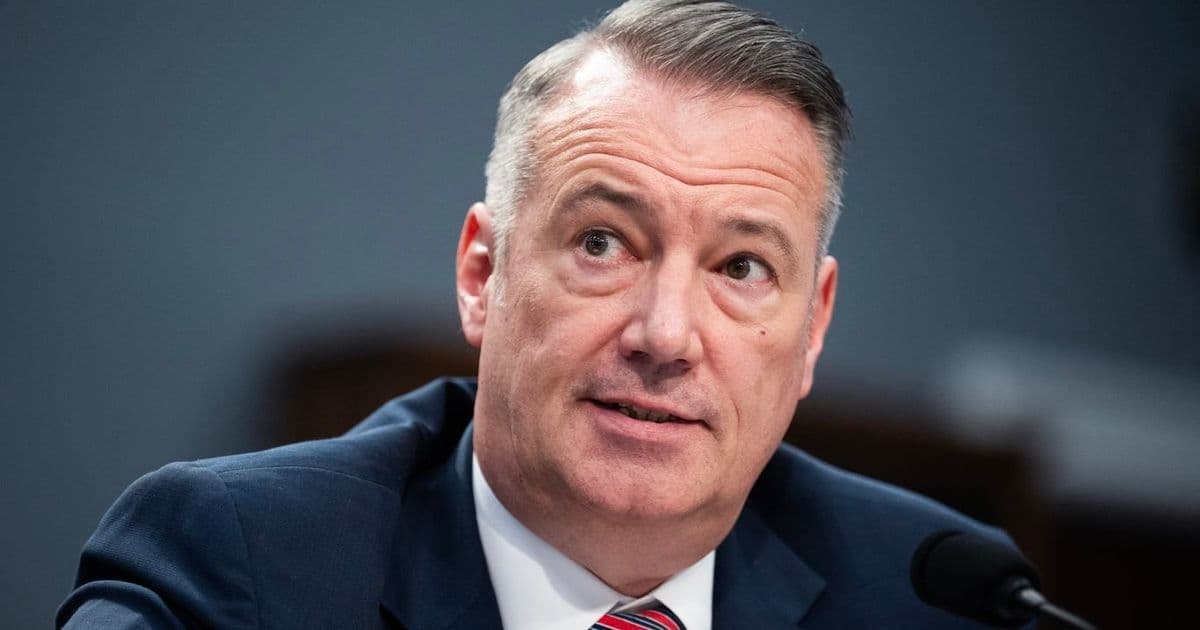
Todd Lyons, acting director of U.S. Immigration and Customs Enforcement (ICE), will leave his position as the agency undergoes a significant leadership transition under the Trump administration's immigration enforcement priorities.
Todd Lyons, who has served as acting director of U.S. Immigration and Customs Enforcement (ICE) since 2023, is set to depart the agency, marking another shift in leadership at one of the federal government's most prominent immigration enforcement bodies.
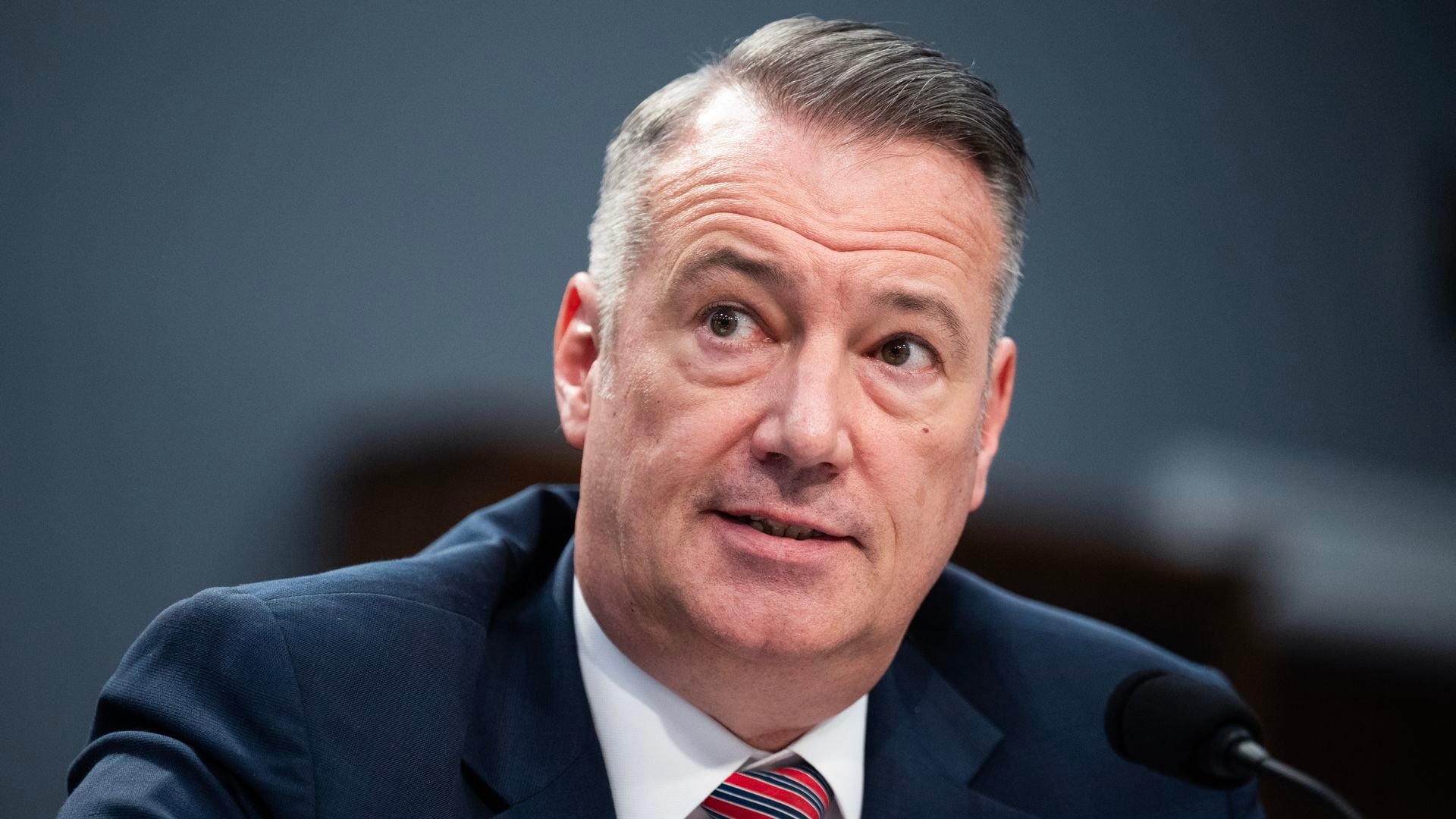
Lyons' tenure at ICE has been characterized by the agency's continued focus on interior immigration enforcement, workplace raids, and collaboration with state and local law enforcement under the Trump administration's hardline immigration policies. His departure comes as the administration continues to reshape key positions within the Department of Homeland Security.
The timing of Lyons' exit is particularly noteworthy given ICE's central role in implementing the administration's immigration agenda. The agency has faced intense scrutiny and political pressure from both supporters who view it as essential to border security and critics who argue its enforcement tactics are overly aggressive.
During his time as acting director, Lyons oversaw ICE's operations during a period of heightened enforcement activity, including increased workplace audits and deportation efforts. His leadership came as the agency navigated complex legal challenges, budget constraints, and ongoing debates about immigration policy reform.
The transition in leadership at ICE reflects broader changes occurring across federal immigration agencies. The Department of Homeland Security has seen multiple high-level departures and appointments as the administration works to align agency leadership with its policy objectives.
ICE's enforcement priorities under Lyons included targeting individuals with criminal records, expanding workplace enforcement operations, and strengthening partnerships with state and local law enforcement agencies. These efforts have been central to the administration's approach to immigration enforcement, which emphasizes deterrence and strict adherence to immigration laws.
The departure of an acting director typically signals either a planned transition or a shift in strategic direction. In Lyons' case, the timing suggests the administration may be preparing to install a permanent director who aligns more closely with its evolving immigration enforcement priorities.
ICE has faced significant challenges during Lyons' tenure, including staffing shortages, facility capacity issues, and legal constraints on detention and deportation practices. The agency has also had to balance enforcement activities with humanitarian concerns, particularly regarding family separations and conditions in detention facilities.
The leadership change comes as immigration remains a central political issue, with ongoing debates about border security, asylum policies, and the treatment of undocumented immigrants. ICE's operations and leadership appointments continue to be flashpoints in these broader policy discussions.
Lyons' departure creates an opportunity for the administration to install leadership that may pursue more aggressive enforcement strategies or different operational approaches. The selection of his successor will likely indicate the administration's priorities for ICE's role in immigration enforcement moving forward.
The agency's budget and operational capacity have been subjects of congressional debate, with some lawmakers calling for increased funding for enforcement activities while others advocate for reforms to ICE's mandate and practices. The new leadership will need to navigate these competing pressures while maintaining the agency's core enforcement functions.
As ICE searches for new leadership, the agency's approximately 20,000 employees continue their daily operations, which include investigating cross-border crime, enforcing immigration laws, and managing detention facilities. The transition in leadership will be closely watched by immigration advocates, law enforcement officials, and policymakers on all sides of the immigration debate.
The departure of Todd Lyons as acting ICE director represents another chapter in the ongoing evolution of U.S. immigration enforcement under the current administration, with significant implications for how the agency will operate in the coming years.
Comments
Please log in or register to join the discussion