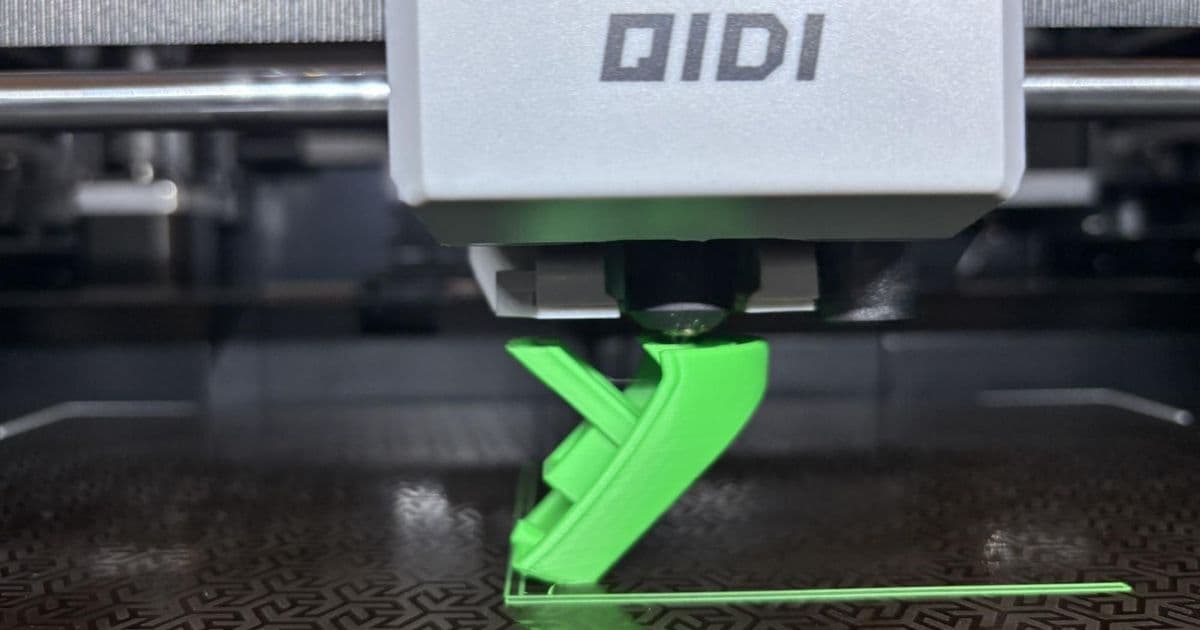
Open-source hardware manufacturer Adafruit opposes New York Senate Bill S08979, arguing its requirement for embedded surveillance in 3D printers is technologically unfeasible and would cripple legitimate manufacturing and education sectors.
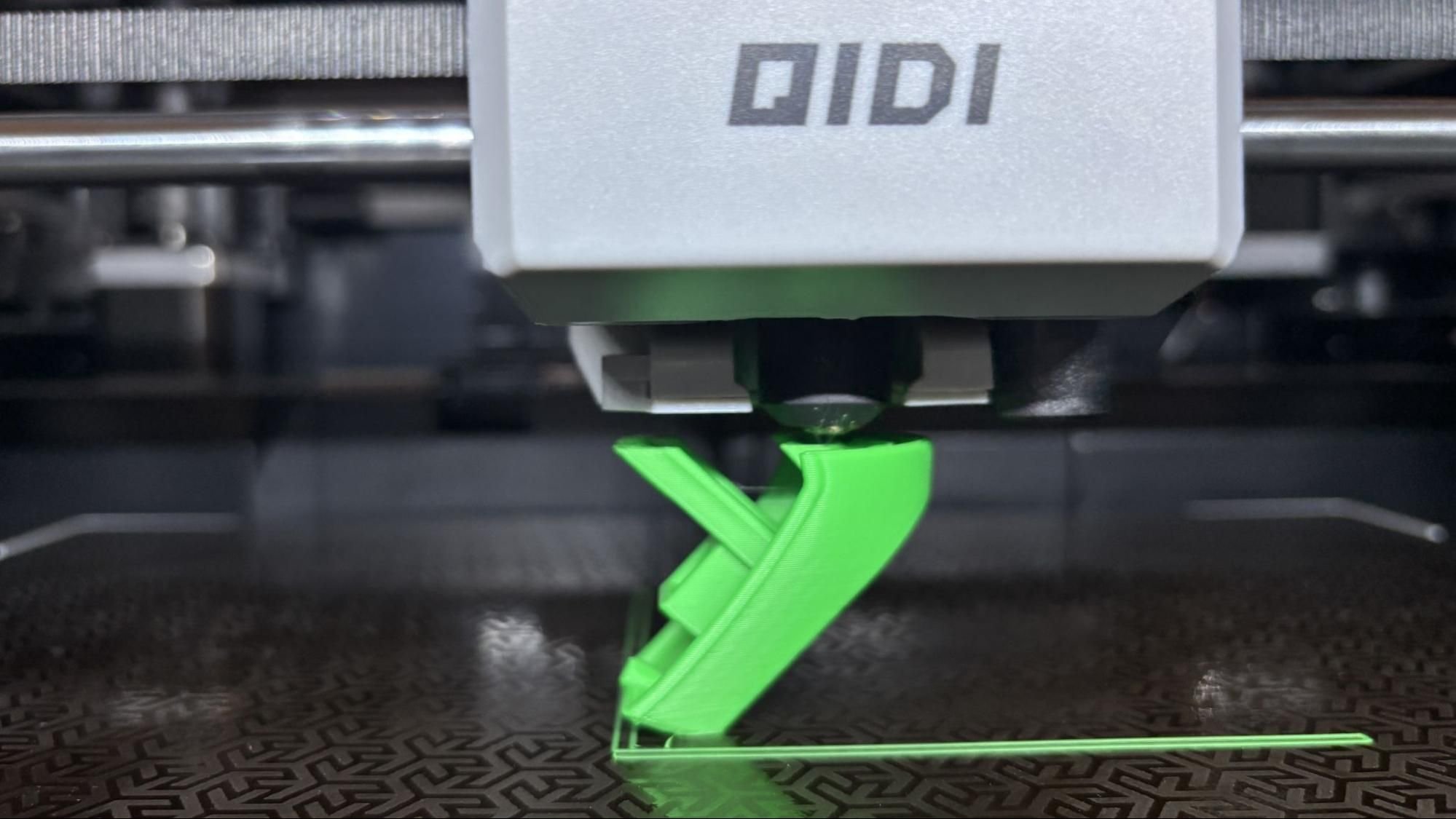
Open-source hardware manufacturer Adafruit has formally opposed New York Senate Bill S08979, legislation targeting the production of untraceable firearms via 3D printing. The bill mandates that all 3D printers sold in New York must incorporate surveillance systems capable of detecting firearm components during the printing process. According to Adafruit's technical analysis, this requirement fundamentally misunderstands additive manufacturing technology and would impose unsustainable burdens across multiple industries.
Technical Implementation Challenges
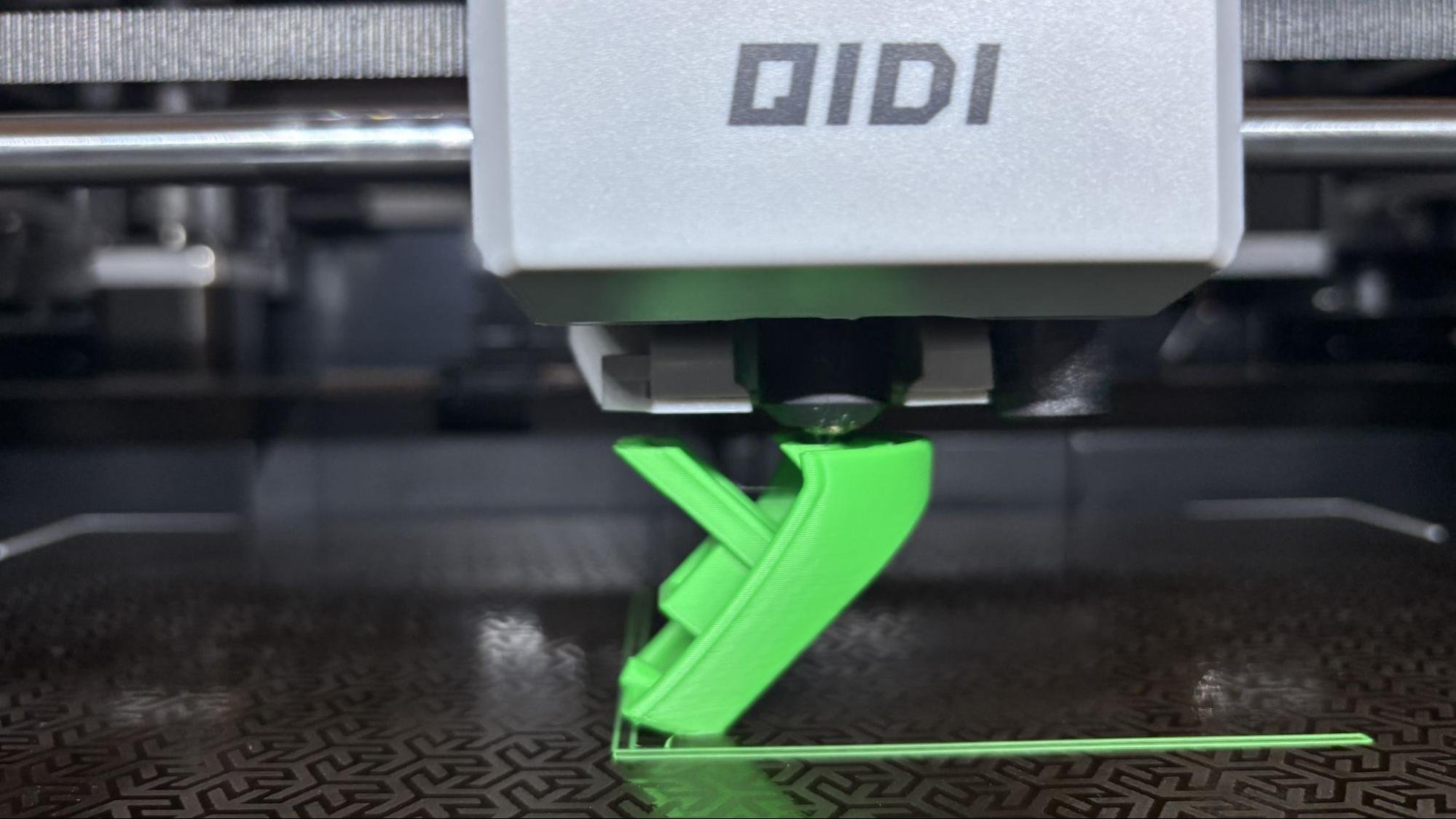
The core technical flaw centers on geometric detection capabilities. Firearm components consist of generic shapes like cylinders, blocks, and brackets that overlap with millions of legitimate industrial and consumer products. Statistical analysis indicates algorithmic detection would yield false positive rates exceeding 60% for common mechanical components based on shape recognition alone. For perspective, a simple rod printed for furniture assembly could trigger the same detection parameters as a gun barrel. The bill additionally covers CNC mills processing G-code instructions, which lack contextual metadata for real-time content analysis without specialized hardware modifications.
Supply Chain and Manufacturing Impact
Adafruit's assessment highlights cascading supply chain implications:
- Cost Structure Shifts: Embedded surveillance systems would increase printer manufacturing costs by 15-25% according to component pricing models
- Open-Source Disruption: Bill language prohibits firmware modifications, effectively banning open-source toolchains like Marlin used in 60% of consumer 3D printers
- Educational Impact: 87% of New York vocational schools use 3D printers for curriculum; liability provisions could terminate programs
- Small Manufacturer Burden: Compliance would require complete hardware redesigns for companies producing sub-10,000 units annually
Proposed Technical Amendments
Adafruit advocates six evidence-based amendments to Senate Bill S08979:
- Scope Narrowing: Focus regulation on intentional firearm production rather than tool ownership
- File Scanning Removal: Eliminate mandatory real-time geometric analysis requirements
- Open-Source Exemption: Protect modification rights for RepRap-derived and educational platforms
- Liability Limitations: Shield manufacturers from post-sale misuse and educators from student actions
- Technical Working Group Reform: Require peer-reviewed feasibility studies with published false positive/negative metrics
- Offline Operation Protection: Exempt devices operating without internet connectivity
Manhattan District Attorney Alvin Bragg acknowledges the bill won't eliminate ghost guns but claims it will increase acquisition difficulty. Adafruit counters that prosecution resources should target illegal firearm production rather than imposing unworkable surveillance on manufacturing tools—noting that lathes and table saws aren't required to scan materials for weapon shapes despite similar misuse potential.
Industry data suggests 0.02% of 3D printed objects relate to firearms versus 38% for prototyping and 27% for educational use. Without amendments, the bill risks disrupting New York's $290M additive manufacturing sector while failing its public safety objectives. The technical working group provision remains particularly contentious, as undefined membership criteria could yield non-expert approval of surveillance systems lacking academic validation.
 Jowi Morales is a tech enthusiast with years of experience working in the industry.
Comments
Please log in or register to join the discussion