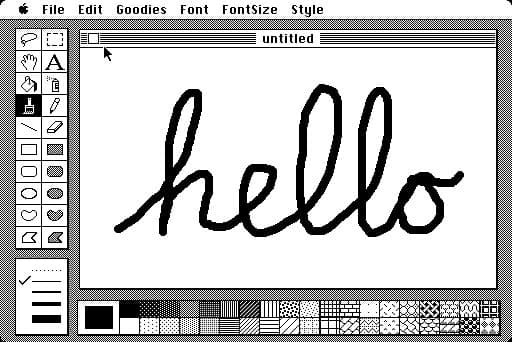
Advanced Mac Substitute is an API-level reimplementation of 1980s-era Mac OS that runs 68K Mac applications without requiring Apple ROM or system software.
Advanced Mac Substitute is an ambitious project that takes a fundamentally different approach to running vintage Mac software. Rather than emulating the entire hardware stack like traditional emulators, it replaces the operating system itself, allowing 68K Mac applications to run directly without the original Apple ROM or system software.
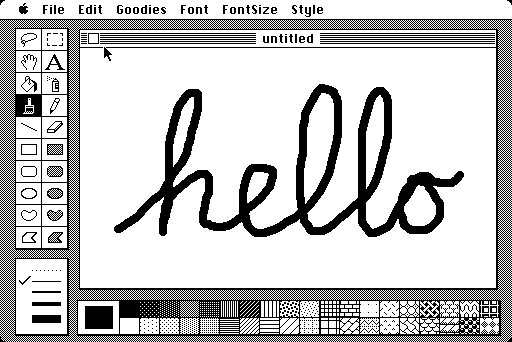
Unlike conventional emulation that recreates the entire hardware environment, Advanced Mac Substitute focuses on reimplementing the Mac OS API layer. This means it launches directly into applications without going through the traditional startup sequence. The project describes itself as a "factored application" with a backend that includes a 68K emulator and should build on any POSIX-like system, while the frontend provides a generic bitmapped terminal abstraction through SDL2 and custom implementations for macOS, X11, and Linux framebuffer.
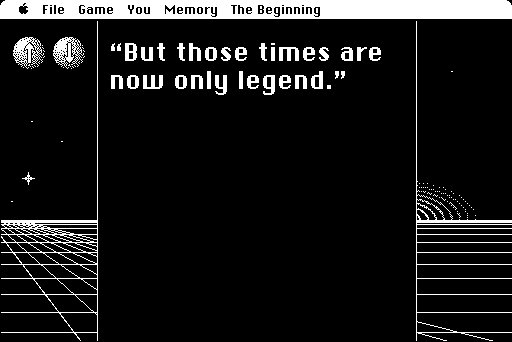
The project demonstrates impressive compatibility with original Macintosh software. It can run several classic applications from 1984, including games like Amazing, Solitaire, Missile, and IAGO. More complex software like System's Twilight and The Fool's Errand's prologue cinematic also run successfully, showcasing the system's ability to handle sophisticated graphics and user interfaces from that era.
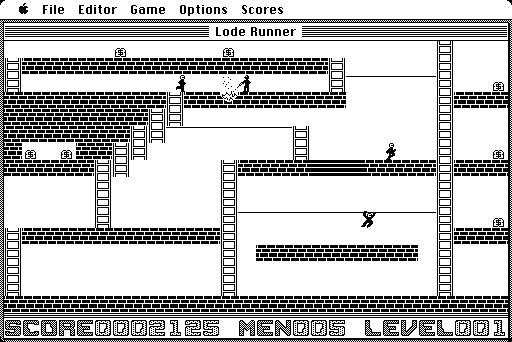
Current support encompasses a wide range of Mac OS features including 1-bit-deep graphics, regions, circles and roundrects, lines, cursors, GrafPorts, text rendering, windows, controls, menus, and dialogs. This comprehensive feature set enables many classic applications to function as they would on original hardware.
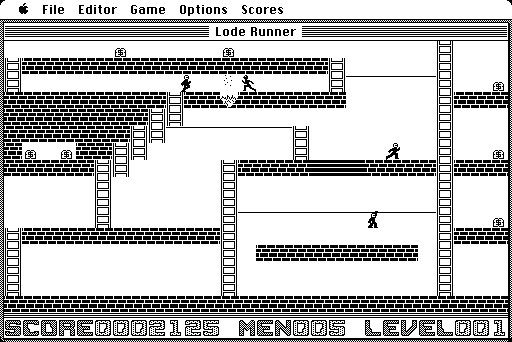
The technical architecture separates concerns effectively - the backend handles the 68K emulation and core functionality, while the frontend manages display output across different platforms. This design allows the project to target multiple environments including macOS/OS X, the X Window System, Linux framebuffer consoles, and even VNC clients.
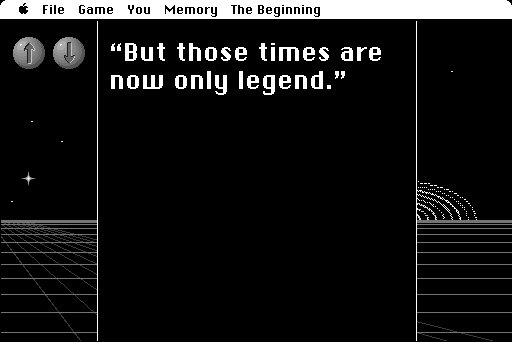
For those interested in exploring this piece of computing history, the source code is available on GitHub. The project represents a fascinating intersection of preservation and technical innovation, offering a way to experience classic Mac software without the constraints of original hardware or the overhead of full-system emulation.
Comments
Please log in or register to join the discussion