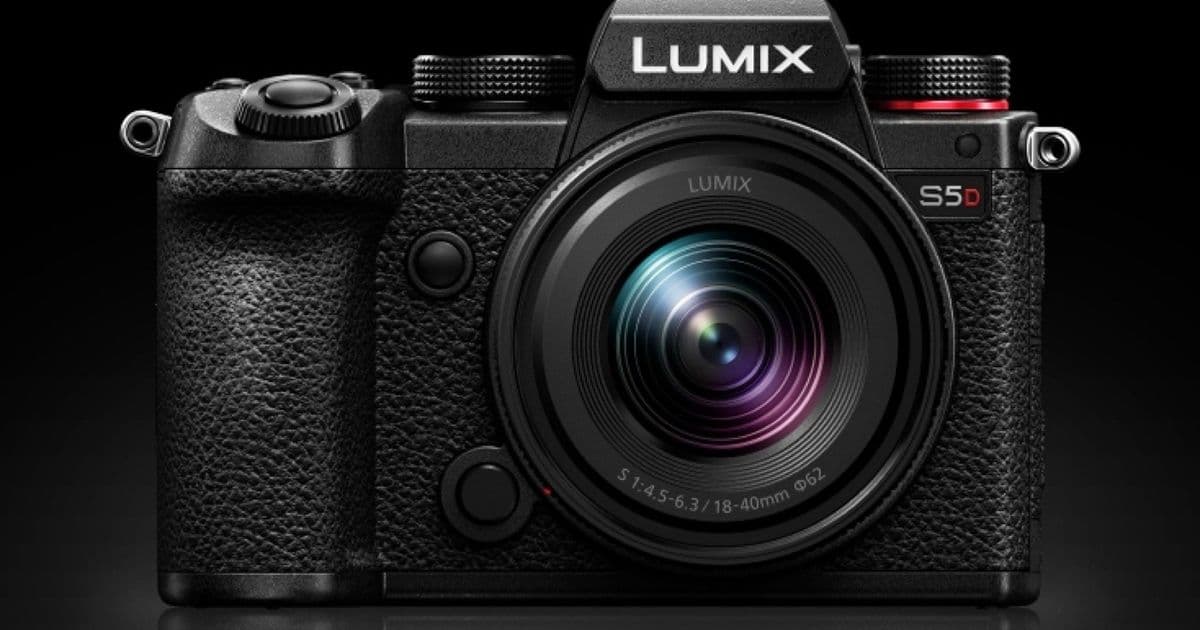
As flagship smartphone prices climb to €2,000, full-frame mirrorless cameras like the Panasonic Lumix S5D offer compelling alternatives starting at just €799, providing better image quality and versatility despite convenience trade-offs.
Full-Frame Cameras Under €800: A Viable Alternative to Flagship Smartphones
The photography landscape continues to evolve, with smartphone cameras improving annually while their prices climb to unprecedented heights. Meanwhile, full-frame mirrorless cameras have become increasingly accessible, creating an intriguing alternative for photography enthusiasts. The Panasonic Lumix S5D exemplifies this trend, available from retailers for just €799 with a lens, challenging the notion that superior imaging requires flagship smartphone pricing.
What's New: The Panasonic Lumix S5D Package
The Lumix S5D represents a significant value proposition in the full-frame camera market. At its core lies a 24.2MP full-frame sensor that delivers substantially better image quality than even the most advanced smartphone sensors. This larger sensor captures more light, resulting in better dynamic range, improved low-light performance, and the characteristic shallow depth of field that professional photographers value.
Despite its entry-level pricing, the camera doesn't compromise on essential features:
- Dual shutter system: Both electronic and mechanical shutters provide flexibility for different shooting scenarios
- 3-inch flip-out touchscreen with 1.84 million dots for composition and menu navigation
- 2.36-million-dot OLED electronic viewfinder for accurate previewing
- Dual SD card slots for professional workflow reliability
- USB-C 3.2 Gen 2 (10 Gbit/s) for fast data transfer
- HDMI output for direct connection to monitors
- WiFi 5 and Bluetooth 4.2 for wireless connectivity
The included 18-40mm zoom lens, while not particularly fast with a maximum aperture of f/4.5-f/6.3, offers practical versatility for everyday shooting scenarios. Its compact form factor makes the entire package relatively portable despite the full-frame sensor.
How It Compares: Smartphones vs. Mirrorless Systems
The comparison between flagship smartphones like the upcoming Vivo X300 Ultra (expected at €2,000 in Europe) and affordable mirrorless systems like the Lumix S5D reveals distinct advantages for each approach.
Image Quality Advantages
Full-frame sensors capture approximately 36 times more surface area than typical smartphone sensors (36×24mm vs. 7.6×5.7mm for common smartphone sensors). This fundamental difference translates to:
- Better low-light performance with less noise
- Improved dynamic range for capturing details in both shadows and highlights
- Superior depth of control for artistic effect
- Reduced diffraction effects at smaller apertures
The Lumix S5D's larger sensor allows it to capture more light and produce cleaner images, particularly in challenging lighting conditions. This advantage becomes increasingly apparent when comparing image files side by side, with the full-frame camera showing more detail and less noise.
Versibility Through Interchangeable Lenses
While smartphones offer computational photography tricks like multi-frame processing and AI-enhanced night mode, mirrorless systems provide genuine optical versatility. The Lumix S5D accepts Panasonic's entire L-mount lens ecosystem, including:
- Wide-angle lenses for expansive landscapes
- Telephoto options for wildlife and sports
- Fast prime lenses for portraits in low light
- Macro lenses for extreme close-up photography
- Specialized lenses like tilt-shift for architectural photography
This optical flexibility cannot be replicated by software processing alone. Additionally, the ability to mount external flashes and other accessories further expands creative possibilities.
Professional Workflow Features
The Lumix S5D includes features designed for serious photographers:
- Dual SD card slots for backup or overflow recording
- Raw file capture for maximum post-processing flexibility
- More robust build quality with better weather sealing
- Longer battery life for extended shooting sessions
- More comfortable ergonomics for prolonged use
These features collectively create a more reliable platform for photography that matters, whether for professional work or personal projects where quality cannot be compromised.
Who It's For: Beyond the Casual Smartphone Shooter
The Lumix S5D and similar affordable full-frame cameras aren't meant to replace smartphones entirely. Instead, they serve different purposes for different users:
Photography Enthusiasts
For those who have outgrown smartphone limitations and want to develop their photography skills, the Lumix S5D offers an accessible entry point into the full-frame ecosystem. The camera provides room for growth, with manual controls that can be learned gradually without overwhelming complexity.
Content Creators
Vloggers, YouTubers, and social media creators benefit from the Lumix S5D's flip-out screen and ability to use different lenses for varied content. While smartphones excel at vertical video, mirrorless cameras offer superior image quality for horizontal content and better low-light performance for indoor shooting.
Second Camera Professionals
Professional photographers often use smaller, more affordable cameras as secondary bodies for specific purposes. The Lumix S5D could serve as a backup camera, a dedicated B-camera for video work, or a camera that can be used in situations where the primary gear might be at risk.
Photography Students
Aspiring photographers learning the craft benefit from using dedicated cameras that provide more direct control over exposure variables. The Lumix S5D offers a professional experience at a fraction of the cost of higher-end models.
The Convenience Trade-Off
It's important to acknowledge that smartphones still hold significant advantages in convenience:
- Pocket-sized portability
- Instant sharing capabilities
- Computational photography that produces good results automatically
- No need to carry additional lenses or accessories
- Superior video stabilization
For casual snapshots, social media sharing, and situations where carrying extra equipment isn't practical, smartphones remain the more convenient choice. The Lumix S5D and similar cameras require additional investment in lenses, bags, and potentially accessories, along with a learning curve for optimal use.
Market Context and Value Proposition
The Lumix S5D exists in a growing segment of affordable full-frame cameras. Other options include:
- Sony Alpha 7 III (often found around €1,500 used)
- Canon EOS RP (frequently discounted to under €1,000)
- Nikon Z5 (typically priced around €1,200)
What makes the Lumix S5D particularly interesting is its aggressive pricing at €799 with a lens, making full-frame photography accessible to a broader audience. This price point represents a significant decrease from just a few years when entry-level full-frame cameras started at well over €2,000.
The camera market has seen increased competition, with manufacturers realizing that attracting new users to mirrorless systems requires more accessible pricing. This trend benefits consumers, as even higher-end models have become more feature-rich while maintaining competitive pricing.
Making the Switch: Practical Considerations
For smartphone photographers considering the leap to dedicated cameras, several practical considerations should guide the decision:
Photography Goals: What kind of photography do you want to do? Casual snapshots or more deliberate, quality-focused work?
Budget Considerations: Factor not just the camera cost, but also potential lens purchases, bags, memory cards, and accessories.
Learning Commitment: Dedicated cameras offer more control but require learning manual exposure, focus techniques, and post-processing.
Usage Patterns: How often will you carry the camera? Will the convenience trade-off be worth the image quality improvement?
Ecosystem Investment: Consider the long-term lens ecosystem and how it aligns with your photographic interests.
Conclusion
The Panasonic Lumix S5D at €799 represents a compelling option for those looking to step up from smartphone photography without breaking the bank. While smartphones continue to advance computationally, the fundamental advantages of larger sensors and optical flexibility remain significant.
For photography enthusiasts, content creators, or anyone frustrated with smartphone limitations but unwilling to spend flagship smartphone prices on imaging capabilities, the Lumix S5D and similar affordable full-frame cameras offer an appealing middle ground. They provide professional image quality and versatility in a package that, while less convenient than a smartphone, delivers substantially better results for those willing to make the investment.
As camera manufacturers continue to compete in this accessible segment, we can expect even more feature-rich models at competitive price points, further blurring the line between casual smartphone photography and dedicated mirrorless systems.
Comments
Please log in or register to join the discussion