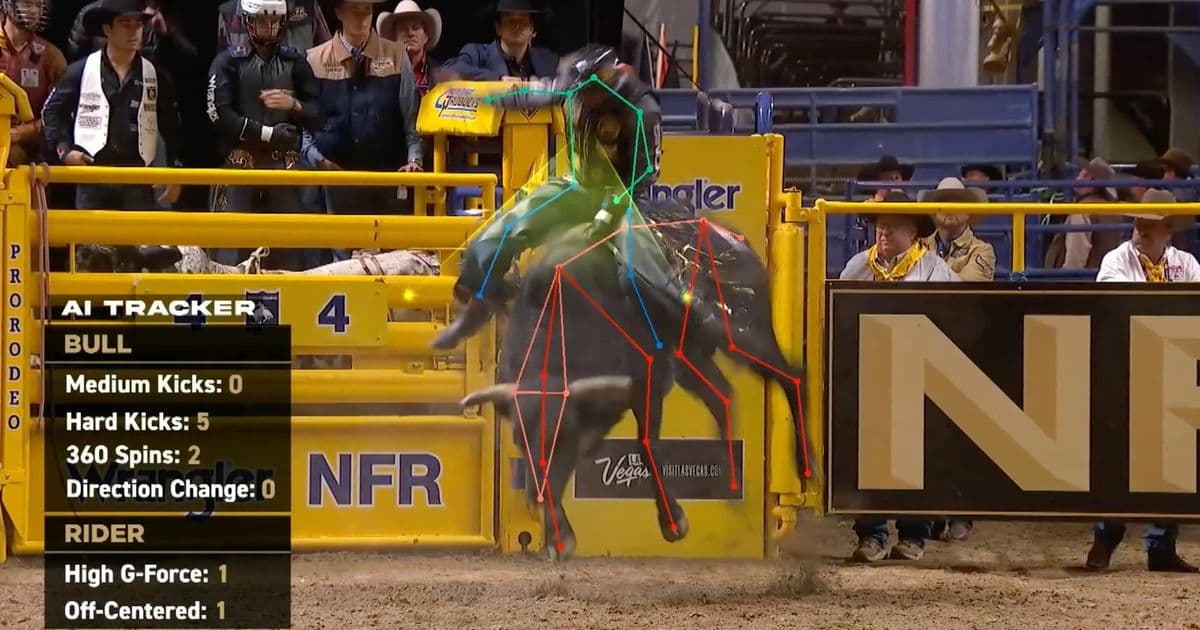
Professional bull riding is embracing artificial intelligence to track performance metrics, marking the final frontier of American sports analytics.
Professional bull riding, long considered the last major American sport untouched by advanced analytics, is now embracing artificial intelligence to track performance metrics and transform how the sport is understood and judged.
The technology behind the transformation
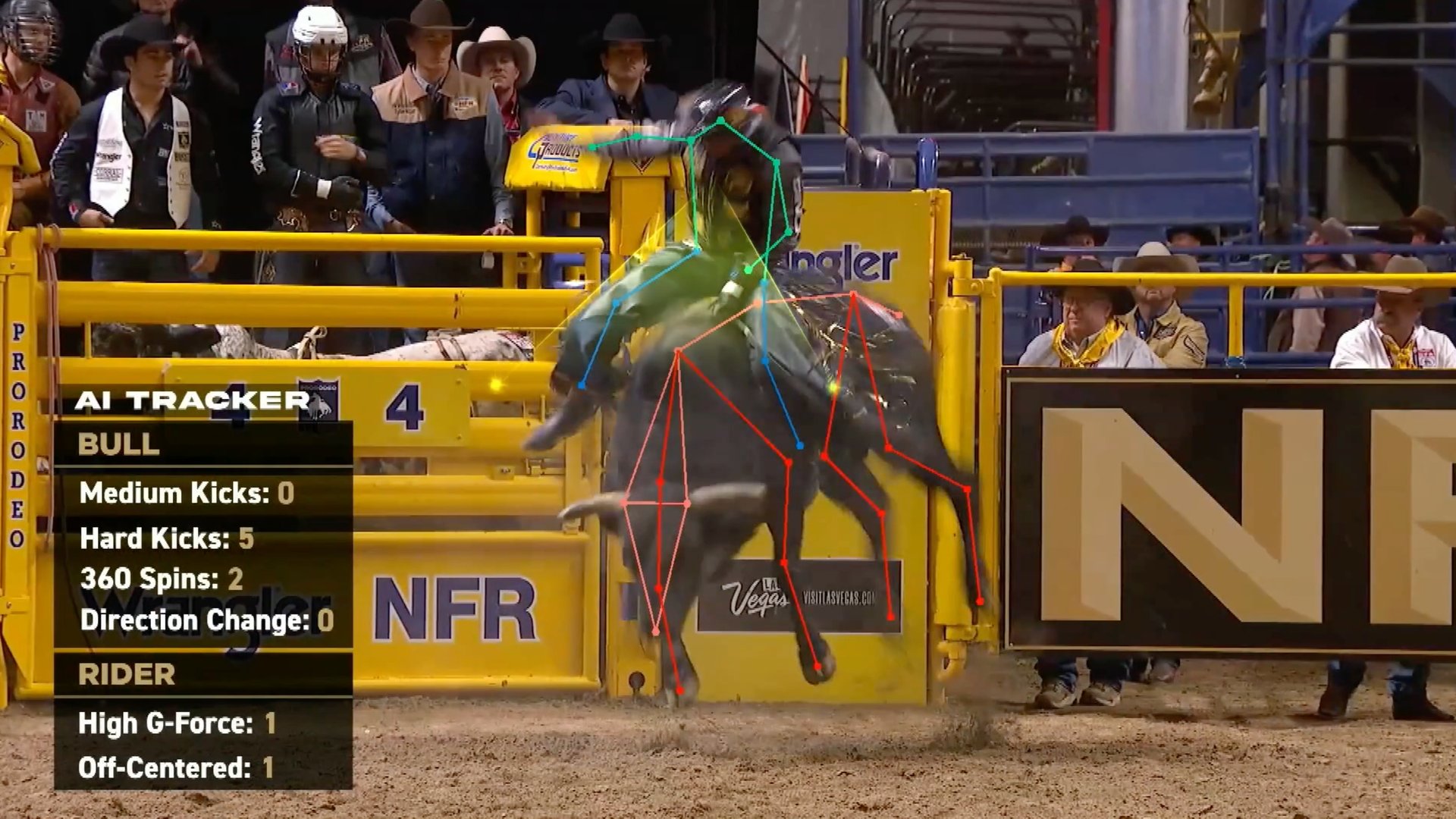
The Professional Bull Riders (PBR) organization has partnered with technology firms to deploy AI systems that can track a bull's kicks, spins, and overall performance in real-time. These systems use computer vision and machine learning algorithms to analyze video feeds from rodeo arenas, generating detailed statistics about each ride that were previously impossible to quantify objectively.
The AI system, developed through a collaboration between TWG AI, Teton Ridge, and Palantir, processes multiple data points during each eight-second ride. It measures the bull's vertical and horizontal movements, the force of each kick, the number of spins, and even the synchronization between rider and animal. This data is then displayed on arena screens and made available to commentators, judges, and fans.
Why rodeo remained analytics-free
Unlike baseball, basketball, or football, rodeo judging has traditionally relied heavily on human observation and subjective assessment. Judges score riders based on their control, style, and ability to stay aboard for the mandatory eight seconds, while also evaluating the bull's performance. This dual scoring system made it difficult to apply traditional sports analytics, as the interaction between human and animal creates variables that are hard to quantify.
Rodeo's rural roots and independent event structure also contributed to its resistance to technological adoption. Many events are held in smaller venues without the infrastructure for sophisticated data collection, and the sport's culture has historically valued tradition over innovation.
The business case for AI adoption
The push for analytics in rodeo isn't just about improving judging accuracy—it's a strategic move to attract younger audiences and increase the sport's commercial viability. As traditional rodeo viewership has declined, particularly among demographics under 35, the PBR sees technology as a way to modernize the sport's image and create new engagement opportunities.
"Analytics can help tell the story of what's happening in the arena," says a PBR spokesperson. "When fans can see that a bull spun 4.2 times with an average kick force of 2,300 pounds, it adds a new dimension to their understanding and appreciation of the sport."
This data-driven approach also opens new revenue streams through betting partnerships, fantasy rodeo leagues, and enhanced broadcast packages. The ability to quantify performance metrics makes the sport more attractive to sportsbooks and creates opportunities for real-time in-game wagering.
Challenges and controversies
Not everyone in the rodeo community welcomes this technological intrusion. Traditionalists argue that reducing the sport to numbers strips away its artistry and the human element that makes rodeo unique. There are also concerns about how AI judging might affect scoring consistency and whether the technology could be gamed by riders or stock contractors.
Animal welfare advocates have raised questions about whether performance tracking could lead to breeding programs that prioritize certain movement patterns over animal health. The PBR maintains that the technology is designed to enhance safety and understanding rather than push animals beyond their natural capabilities.
The future of AI in western sports
The rodeo AI initiative represents just the beginning of what could be a broader transformation of western sports. Similar technologies are being explored for barrel racing, team roping, and other rodeo events. The success of AI implementation in bull riding could pave the way for its adoption across the entire western sports ecosystem.
As the technology continues to evolve, we can expect to see more sophisticated metrics emerge, including predictive analytics that could help riders prepare for specific bulls based on historical performance data. The integration of wearable technology for both riders and animals could provide even more granular data about performance and safety.
What this means for sports analytics
Rodeo's embrace of AI marks a significant milestone in the evolution of sports analytics. It demonstrates that even sports with seemingly unquantifiable elements can be broken down into measurable components with the right technology. This could inspire other niche or traditional sports to explore similar analytics solutions.
The rodeo case also highlights how analytics can serve multiple purposes beyond just improving performance—they can be powerful tools for audience engagement, commercial development, and sport modernization. As AI technology becomes more accessible and affordable, we're likely to see its adoption accelerate across all levels of sport, from professional leagues to local competitions.
For rodeo specifically, the integration of AI represents a delicate balance between preserving tradition and embracing innovation. The challenge will be maintaining the sport's cultural authenticity while leveraging technology to ensure its relevance in an increasingly data-driven sports landscape.
Comments
Please log in or register to join the discussion