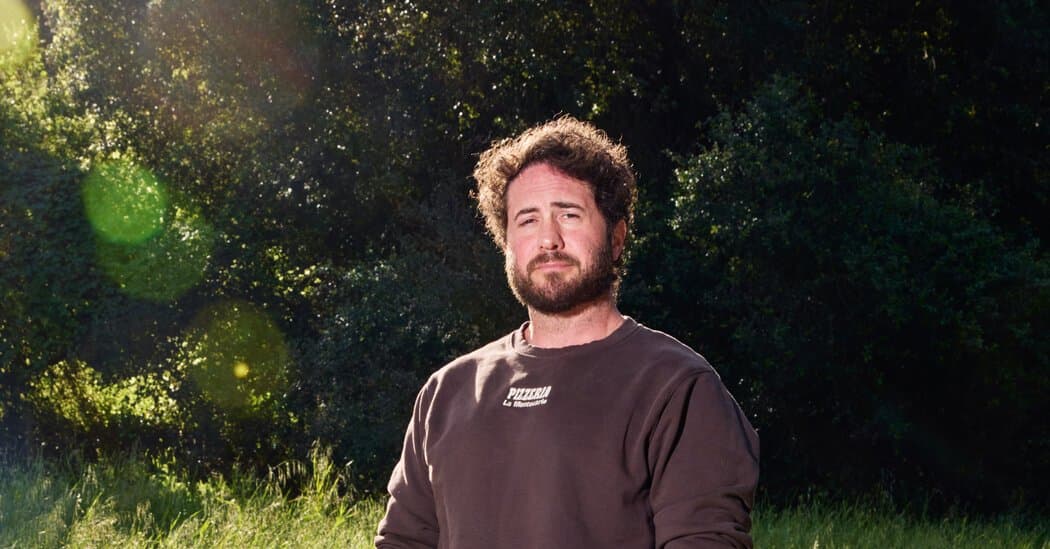
Medvi, a telehealth provider of GLP-1 weight-loss drugs, leveraged AI tools to achieve $401M in sales in 2025 with only two full-time employees, demonstrating the transformative potential of AI in healthcare operations.
The rise of AI-powered startups continues to reshape traditional business models, with Medvi, a telehealth provider specializing in GLP-1 weight-loss drugs, emerging as a striking example of how artificial intelligence can dramatically reduce operational overhead while scaling revenue.
The Two-Person Powerhouse
Matthew Gallagher, Medvi's founder, built his telehealth startup using just two months, $20,000 in initial capital, and more than a dozen artificial intelligence tools. The result? The company generated $401 million in sales in 2025 and is tracking toward $1.8 billion in 2026 revenue.
This achievement stands in stark contrast to traditional healthcare providers that require extensive administrative staff, call centers, and operational teams. Medvi's entire operation runs on AI automation for patient intake, prescription processing, customer service, and logistics coordination.
AI Tools Powering the Operation
While Gallagher hasn't disclosed the complete toolkit, industry experts suggest Medvi likely leverages:
- Patient intake automation: AI chatbots and form processing for initial consultations
- Prescription management systems: Automated verification and fulfillment workflows
- Customer service automation: AI-powered response systems for common inquiries
- Logistics coordination: AI-driven pharmacy partnerships and shipping management
- Data analytics: Real-time monitoring of patient outcomes and operational efficiency
The GLP-1 Market Opportunity
Medvi's success capitalizes on the explosive growth of the GLP-1 weight-loss drug market. These medications, including Ozempic and Wegovy, have become increasingly popular for both medical weight loss and off-label use. The telehealth model allows Medvi to serve patients across state lines without the overhead of physical clinics.
Industry Implications
The Medvi model raises important questions about the future of healthcare delivery:
Efficiency gains: Can AI truly replace human staff in healthcare operations without compromising quality?
Regulatory challenges: How will healthcare regulators respond to AI-driven telehealth providers operating with minimal human oversight?
Patient experience: Does the automation-first approach affect patient satisfaction and outcomes?
Market disruption: Will traditional healthcare providers be forced to adopt similar AI-driven models to remain competitive?
Counter-Perspectives
Critics argue that Medvi's model may face sustainability challenges:
- Quality concerns: Automated systems may struggle with complex patient cases requiring human judgment
- Regulatory scrutiny: Healthcare regulators may impose requirements for human oversight that could increase operational costs
- Market saturation: As more AI-powered telehealth providers enter the GLP-1 market, competition could drive down margins
- Patient trust: Some patients may prefer human interaction for medical consultations, limiting market reach
The Broader AI Startup Trend
Medvi represents a growing trend of AI-native startups achieving remarkable scale with minimal headcount. Similar patterns are emerging across industries:
- Software development: AI coding agents enabling rapid product development
- Customer service: AI-powered support systems replacing traditional call centers
- Content creation: AI tools automating marketing and communication workflows
- Data analysis: AI systems handling complex analytical tasks previously requiring teams of analysts
Future Outlook
As Medvi targets $1.8 billion in sales for 2026, the company's trajectory suggests that AI-powered operational models may become increasingly viable across healthcare and other regulated industries. However, the long-term success of such models will likely depend on their ability to navigate regulatory requirements while maintaining quality standards.
The Medvi story serves as both inspiration and cautionary tale for entrepreneurs considering AI-driven business models. While the potential for efficiency gains is substantial, the challenges of regulatory compliance and quality assurance in healthcare remain significant hurdles that will determine whether this model can be replicated across other medical specialties.
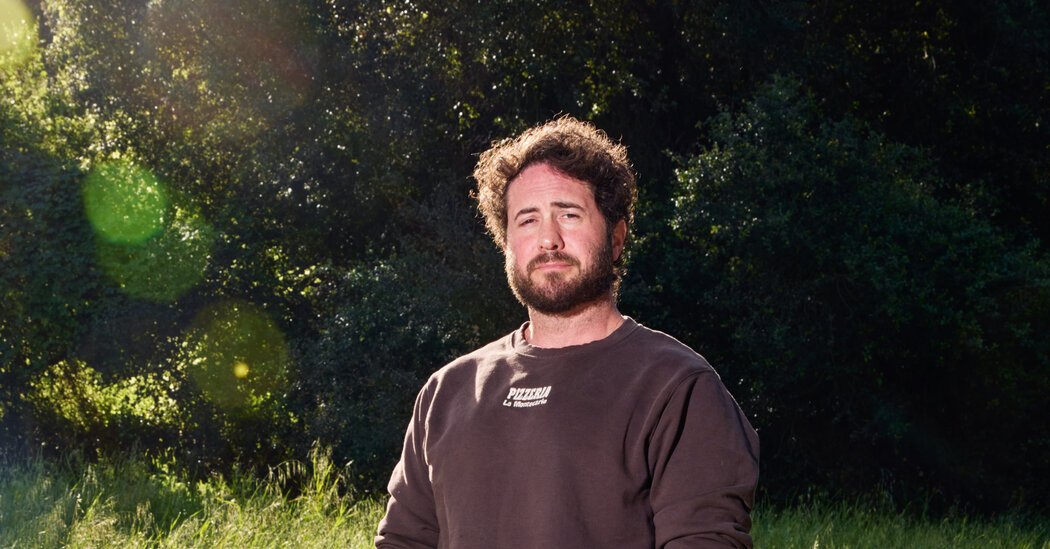
The image shows a modern office setting with two individuals working at computers, likely representing the minimal staffing approach that enabled Medvi's success. The clean, technology-focused environment reflects the AI-driven operational model that powered the company's rapid growth in the telehealth market.
Comments
Please log in or register to join the discussion