
Alibaba's DAMO Academy releases RynnBrain, an open-source foundation model enabling robots to perform tasks like room navigation, signaling China's aggressive AI expansion amid Lunar New Year promotions. Yet hardware limitations, safety gaps, and fierce global competition reveal the challenges of turning open-source AI into functional robotics.
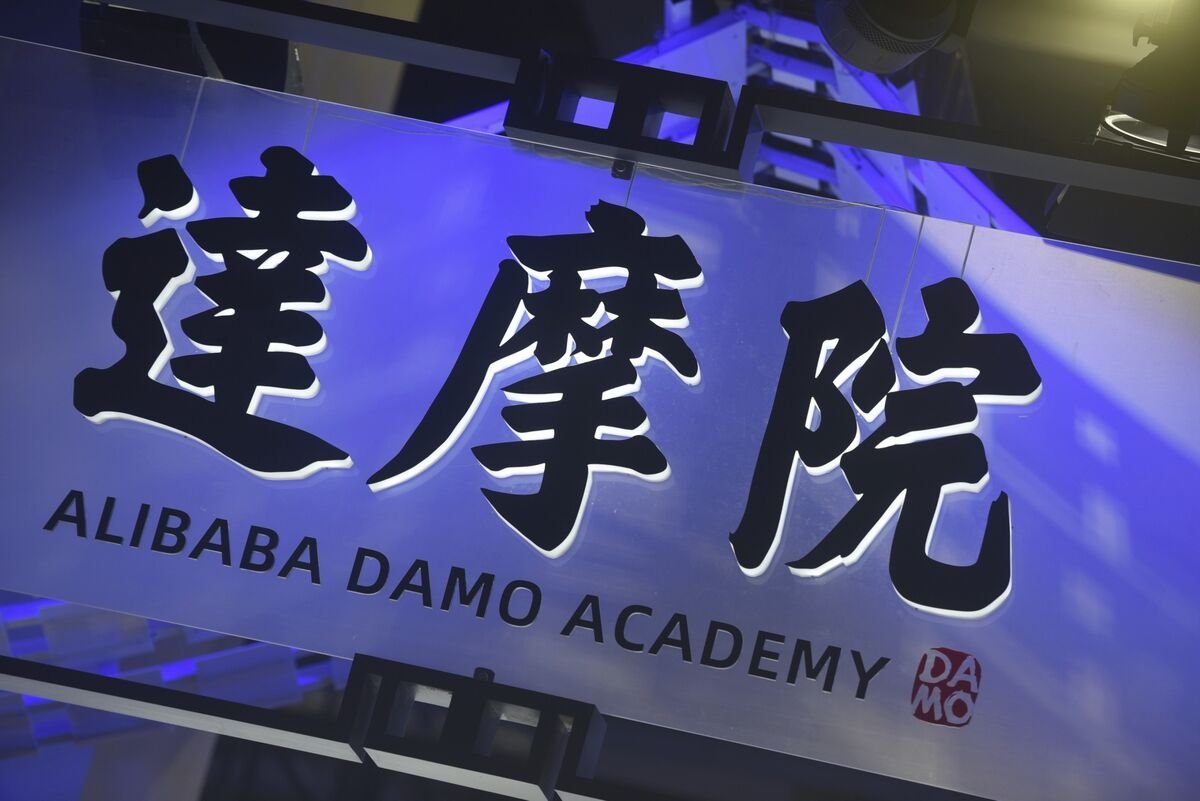
Alibaba's DAMO Academy has launched RynnBrain, an open-source foundation model designed to equip robots with advanced capabilities for real-world tasks like navigating complex environments and manipulating objects. Trained on Alibaba's multimodal Qwen3-VL model, RynnBrain represents China's latest bid to democratize robotics AI. Its release coincides with a wave of Lunar New Year promotions from Chinese tech giants, including Tencent and Alibaba, offering AI "red envelope" incentives to attract users. Yet beneath this ambitious push lies a tangle of technical and market realities that complicate the path from open-source code to functional robotics.
The Technical Ambition
RynnBrain integrates vision-language understanding with motion planning, allowing robots to interpret commands like "fetch the cup from the kitchen" while avoiding obstacles. By open-sourcing the model, Alibaba aims to accelerate development in embodied AI—a field where real-world performance lags behind simulation. The model builds on Qwen3-VL's strengths in visual reasoning, theoretically enabling cheaper robots to handle dynamic environments without bespoke programming. This aligns with China's broader robotics strategy: Pony AI, backed by Toyota, recently began commercial production of autonomous vehicles, targeting 3,000+ robotaxis by 2026.
China's Coordinated AI Surge
Alibaba and Tencent are aggressively rolling out models ahead of Lunar New Year, spending millions on user incentives. This isn't isolated R&D but part of a state-aligned effort to dominate practical AI applications. Zhipu AI, another major Chinese player, anonymously released a new model via OpenRouter this week, suggesting a preference for testing in global markets before official launches. The timing is strategic: Lunar New Year drives massive consumer engagement, letting companies gather real-world data to refine models like RynnBrain.
The Open-Source Reality Check
While promising, RynnBrain faces immediate hurdles:
- Hardware-AI misalignment: Most open-source robotics projects struggle with transferring simulated training to unpredictable physical environments. A model might navigate a virtual room flawlessly but fail on uneven floors or lighting changes.
- Safety gaps: Unlike cloud-based AI, robot failures pose physical risks. RynnBrain's documentation lacks details on real-world testing or fail-safes for scenarios like stair navigation or human proximity.
- Competition: Western projects like Meta's Habitat and OpenAI's robotics efforts prioritize controlled deployment over open-source accessibility, focusing on safety and enterprise use. RynnBrain's openness invites experimentation but may limit commercial adoption.
The Broader Battle
China's robotics push occurs amid global tension: the U.S. is drafting voluntary pacts for AI infrastructure sustainability, while Europe invests €2.5B in semiconductor research. Alphabet's record $20B bond sale funds its own AI ambitions, highlighting the resource gap between Chinese firms and U.S. tech giants. Open-source models like RynnBrain could narrow this gap by enabling smaller players to build affordable robots—but only if they overcome the reliability issues that plague real-world deployment.
RynnBrain embodies a pivotal dilemma: democratizing robotics AI accelerates innovation but risks fragmenting standards and safety. As Chinese tech giants court users with free AI tools, the true test will be whether open models can transition from promotional triumphs to trustworthy, real-world applications.
Comments
Please log in or register to join the discussion