
As Alibaba admits falling behind in chip production, questions emerge about data sovereignty, privacy compliance, and regulatory implications for global users.
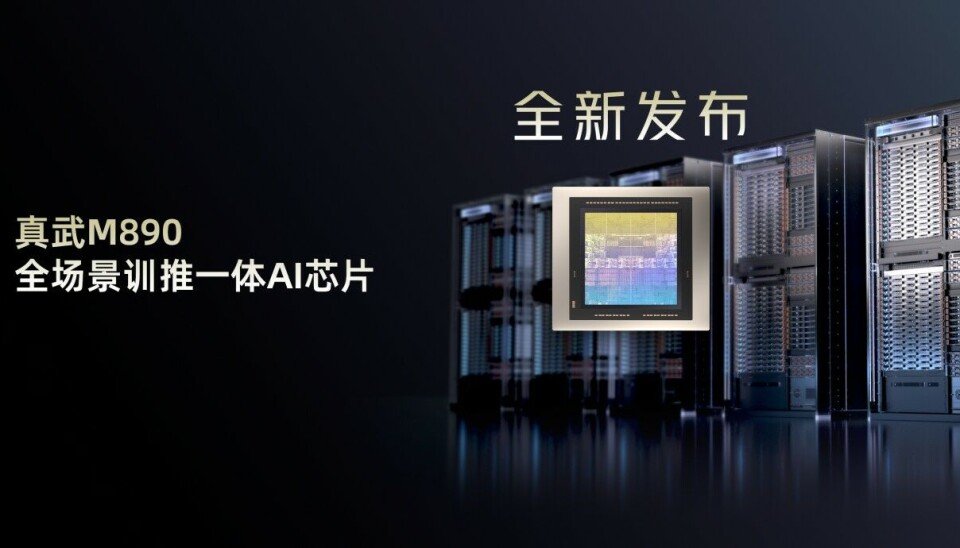
Chinese tech giant Alibaba's recent admission that it's struggling to keep pace with rival chipmakers and AI shops has significant implications for data protection and privacy compliance worldwide. The company's revelation of its new Zhenwu M890 accelerator comes with an admission that T-Head, its semiconductor design business, has only produced 560,000 chips to date – a stark contrast to the millions of GPUs expected to be deployed by Western competitors like Nvidia.
The Zhenwu M890, featuring 144GB of on-chip memory and 800 GB/s inter-chip bandwidth, represents Alibaba's attempt to compete in the AI acceleration market. However, the limited production volumes raise serious questions about Alibaba's ability to meet the computational demands required for processing vast amounts of personal data while maintaining compliance with stringent data protection regulations.

From a regulatory perspective, Alibaba's semiconductor challenges intersect directly with data protection frameworks like the EU's General Data Protection Regulation (GDPR) and the California Consumer Privacy Act (CCPA). These regulations mandate that organizations processing personal data must implement appropriate technical and organizational measures to ensure data security and privacy. With Alibaba's cloud infrastructure potentially lagging behind competitors due to hardware limitations, the company may face increased scrutiny regarding its ability to protect user data.
The production constraints stem, at least in part, from US sanctions that limit Chinese companies' access to advanced semiconductor manufacturing processes. This geopolitical situation creates a complex environment for data processing, particularly for multinational corporations that must navigate different regulatory landscapes while ensuring their data remains secure and compliant.
Alibaba's Panjiu AL128 Supernode Server, designed to handle "unpredictable, high-frequency bursts of inference requests," raises additional privacy considerations. As AI systems process increasingly sensitive personal data, the computational infrastructure becomes a critical component of the data protection ecosystem. Limited chip production could lead to computational bottlenecks that might impact data processing times, potentially affecting the timeliness of data subject rights requests under GDPR and CCPA.
The networking challenges are equally concerning. Alibaba's ICN Switch 1.0, with its 25.6 Tbps bandwidth, claims to "enable congestion-free communication across clusters of 64 accelerators." However, given the company's admitted production limitations, the ability to maintain these performance standards at scale remains questionable. Network congestion could lead to delays in data processing, potentially impacting compliance with data residency requirements and cross-border data transfer regulations.
For organizations relying on Alibaba Cloud for processing personal data, these hardware limitations may necessitate increased vigilance. Companies must assess whether Alibaba's infrastructure can meet their specific data protection obligations, particularly regarding data minimization, purpose limitation, and storage duration – all core principles of GDPR and similar regulations.
The situation also highlights the growing importance of data sovereignty in the semiconductor industry. As geopolitical tensions limit access to advanced hardware, organizations must consider how these limitations might affect their ability to comply with data localization requirements in various jurisdictions.
Privacy advocates should monitor Alibaba's progress closely. The company's ability to scale its semiconductor operations will directly impact its capacity to process personal data securely and efficiently. Until Alibaba can demonstrate consistent production capabilities and performance benchmarks that match or exceed Western competitors, organizations handling sensitive personal data should exercise caution when adopting Alibaba's AI and cloud services.
In conclusion, Alibaba's semiconductor struggles represent more than a technical challenge – they raise fundamental questions about data security, privacy compliance, and the future of global data processing in an increasingly fragmented technological landscape. As regulations continue to evolve, the intersection of hardware capabilities and data protection requirements will only grow in importance for organizations worldwide.
Comments
Please log in or register to join the discussion