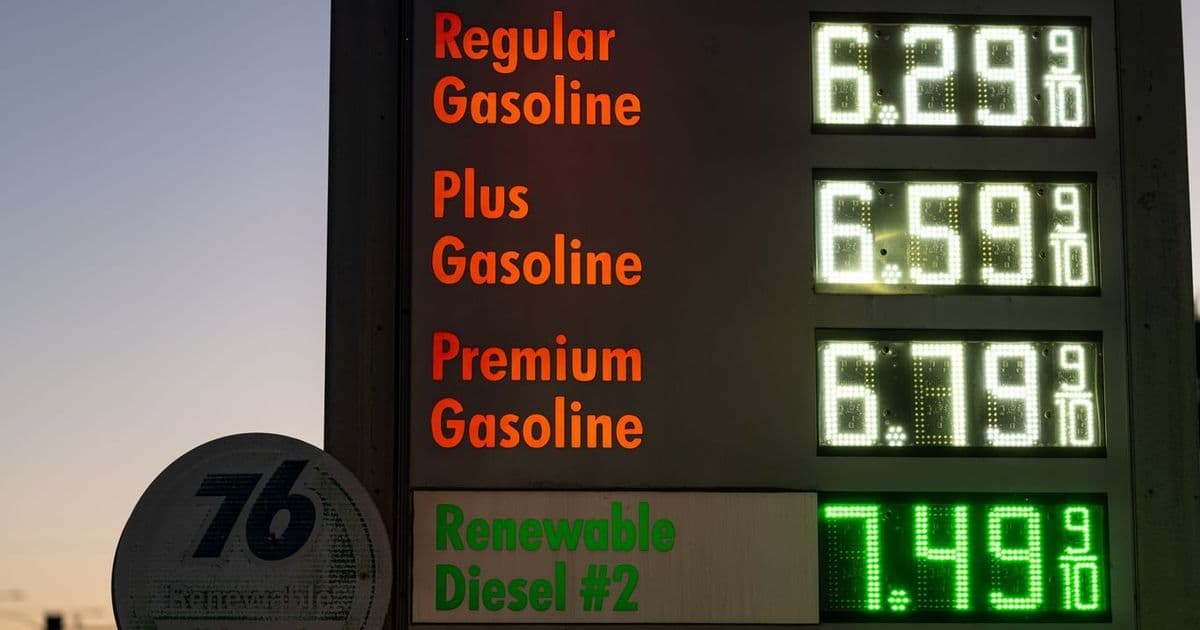
U.S. gasoline prices have climbed to $4 per gallon nationwide, driven by lingering supply disruptions from the Iran‑Israel conflict, refinery outages, and higher crude costs. The surge threatens consumer spending and could reshape demand for alternative fuels.
All 50 States See Gas Prices Reach $4‑per‑Gallon as Iran Conflict Extends Market Pressure
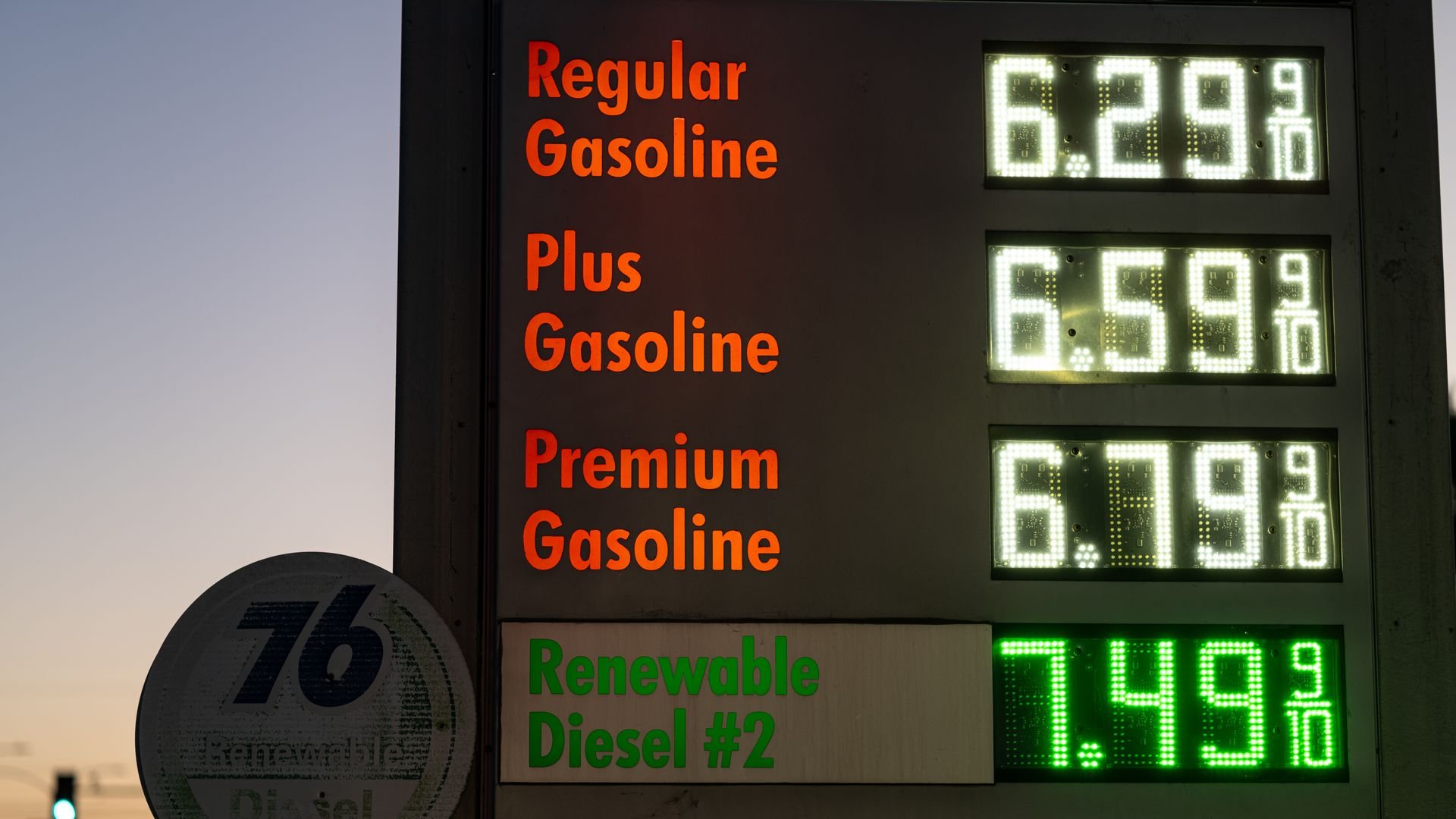
The United States hit a uniform $4‑per‑gallon gasoline price across all 50 states on Thursday, the highest national average since the 2022 energy shock. The price spike reflects a confluence of geopolitical, supply‑chain, and seasonal factors that are reshaping the fuel market.
Market Context
- Crude oil benchmark: Brent crude settled at $106.45 per barrel on Friday, a 7.2% increase from the previous week. The rise follows renewed missile exchanges between Iran and Israel, which have kept the Strait of Hormuz partially constrained.
- Refinery throughput: The Energy Information Administration (EIA) reported a 3.4% drop in U.S. refinery utilization in May, driven by unplanned outages at Gulf Coast plants that process 30% of the nation’s gasoline.
- Inventory levels: Commercial gasoline stocks fell to 1.9 million barrels, the lowest level in six months, tightening the supply‑demand balance.
- Seasonal demand: Summer travel patterns pushed weekly retail demand up 4.1% year‑over‑year, adding pressure to already thin inventories.
These dynamics combined to lift the national average retail price to $4.02 per gallon for regular unleaded, with premium blends averaging $4.59. Prices in the Pacific Northwest topped $4.30, while the Midwest saw the smallest increase, hovering just above $4.00.
What It Means for the Economy and Consumers
- Disposable income pressure – The American Automobile Association (AAA) estimates that a typical driver who travels 12,000 miles per year will now spend roughly $1,200 more on fuel than a year ago. For low‑income households, the added cost could push discretionary spending on food and apparel down by 2‑3%.
- Shift toward higher‑efficiency vehicles – Historical data from the International Council on Clean Transportation shows that a sustained $0.30‑per‑gallon price increase accelerates new‑car purchases of fuel‑efficient models by about 5% within twelve months. Dealerships are already reporting a modest uptick in inquiries for hybrid and plug‑in electric vehicles.
- Policy implications – The Federal Reserve’s recent minutes referenced “energy price volatility” as a risk factor for inflation. With gasoline now a larger component of the core CPI basket, the Fed may keep its policy rate near the current 5.25%‑5.50% range longer than previously projected.
- Alternative fuel markets – Retail ethanol blends (E15) saw a 9% price rise, but remain roughly 15 cents per gallon cheaper than pure gasoline. Natural‑gas‑powered fleets are also gaining attention; the American Petroleum Institute notes a 2.3% increase in CNG station utilization in the last quarter.
Strategic Outlook
- Short‑term: Expect retail prices to hover between $4.00 and $4.20 for the next 4‑6 weeks as the market digests ongoing geopolitical risk and refinery maintenance schedules. Analysts at Goldman Sachs project a 0.5% weekly price decline if the Strait of Hormuz returns to full capacity.
- Mid‑term: If the Iran‑Israel conflict extends beyond the summer, crude benchmarks could stay above $105 per barrel, keeping gasoline above $4 for the remainder of the year. In that scenario, corporate fleets may accelerate the transition to electric or hydrogen‑fuel‑cell trucks to lock in lower operating costs.
- Long‑term: The episode underscores the vulnerability of a gasoline‑centric supply chain. Investment analysts are revisiting capital allocation models that favor renewable‑fuel infrastructure, with the International Energy Agency estimating a $45 billion annual increase in global clean‑fuel investment needed to offset price volatility.
Bottom line: The $4‑per‑gallon milestone is more than a headline number; it signals a tightening market where geopolitical risk, refinery constraints, and seasonal demand converge. Consumers will feel the pinch at the pump, while businesses and policymakers face pressure to accelerate the shift toward more resilient, lower‑carbon fuel options.
Comments
Please log in or register to join the discussion