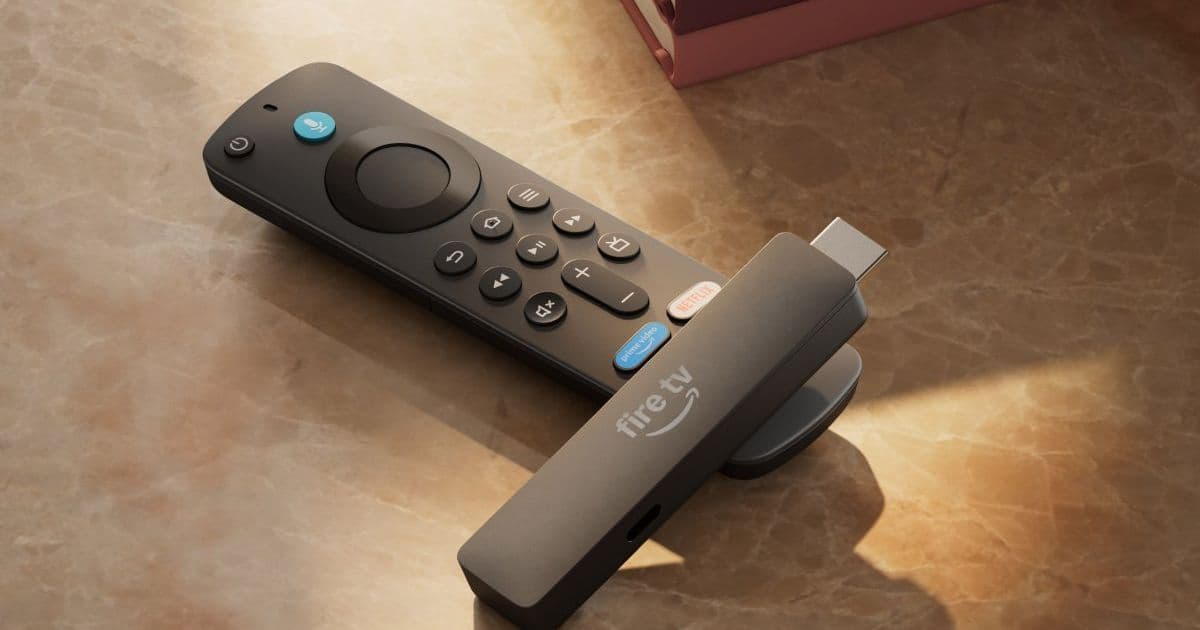
Amazon's latest Fire TV Stick HD brings hardware improvements including WiFi 6 and USB-C, but the switch to Vega OS raises concerns about app flexibility and sideloading capabilities.
Amazon has unveiled its latest budget-friendly streaming device, the Fire TV Stick HD, bringing modest hardware upgrades alongside a controversial software shift that could impact how users interact with their media streamers.
Hardware Improvements
The new Fire TV Stick HD (2026) represents Amazon's latest attempt to refine its entry-level streaming hardware. The company claims the device is 30 percent faster than its predecessor, thanks to a 1.7 GHz quad-core processor. This performance boost comes packaged in a device that's also 30 percent slimmer, making it even more discreet when plugged into your TV's HDMI port.
Beyond raw speed, Amazon has upgraded the wireless capabilities to support WiFi 6, a significant improvement over the previous WiFi 5 support. The device also features Bluetooth 5.3 LE for connecting wireless accessories. Perhaps most notably, Amazon has switched from micro USB to USB-C for power delivery, bringing the device in line with modern connectivity standards.
The Vega OS Shift
However, the most significant change isn't visible in the hardware specifications. The Fire TV Stick HD is Amazon's second device to ship with Vega OS instead of the traditional Android-based Fire OS. This operating system transition represents a fundamental shift in Amazon's approach to its streaming platform.
Vega OS was initially introduced with the Fire TV Stick 4K Select in 2025, positioned as a more versatile platform supporting video streaming, game streaming, and Amazon's Alexa+ AI features. But this versatility comes with a trade-off: the new operating system is significantly more locked down than its predecessor.
The Sideloading Debate
The tighter security measures in Vega OS directly address a long-standing issue for Amazon: piracy. For years, users have been sideloading unofficial apps onto Fire TV devices, with some sellers even marketing modified devices as "unlimited streaming" solutions. Amazon has been engaged in a constant battle against these piracy-focused modifications, frequently blocking access to apps commonly used for unauthorized content access.
By moving away from Android-based Fire OS to Vega OS, Amazon has made it substantially more difficult to sideload applications onto its devices. This change effectively prevents users from installing Android or Fire OS applications that aren't available through the official Amazon Appstore.
Impact on Legitimate Users
While Amazon frames this as a security enhancement, the restrictions affect more than just those seeking pirated content. Legitimate users may find themselves unable to install third-party streaming apps, games, or utilities that aren't available in the Amazon Appstore. This could be particularly frustrating for users who rely on niche streaming services or specialized applications that Amazon hasn't approved for its platform.
The power delivery change adds another layer of complexity. The new Fire TV Stick HD can theoretically draw power directly from a USB port on compatible TVs, eliminating the need for a separate power adapter. However, Amazon hasn't provided clear guidance on whether this is recommended practice, leaving users to navigate potential power delivery issues on their own.
Market Position and Availability
The Fire TV Stick HD maintains its position as Amazon's most affordable streaming option at $35. Pre-orders are currently available through Amazon, with shipping expected to begin on April 29. The device's compact dimensions (91.5 x 21.1 x 14.5mm) and light weight (35.8 grams) make it one of the most portable streaming solutions on the market.
The Broader Context
This release reflects a broader trend in the streaming device market toward tighter ecosystem control. As streaming platforms mature, companies are increasingly prioritizing content protection and platform control over the open flexibility that characterized earlier generations of streaming devices.
For users who value the ability to customize their streaming experience or access a wide range of applications, the Fire TV Stick HD's locked-down nature may be a significant drawback. However, for users primarily interested in mainstream streaming services through official channels, the hardware improvements and maintained low price point may outweigh the software limitations.
The success of this approach will likely influence Amazon's strategy for future Fire TV devices, potentially signaling a permanent shift away from the more open Android-based ecosystem that defined earlier Fire TV products.
Comments
Please log in or register to join the discussion