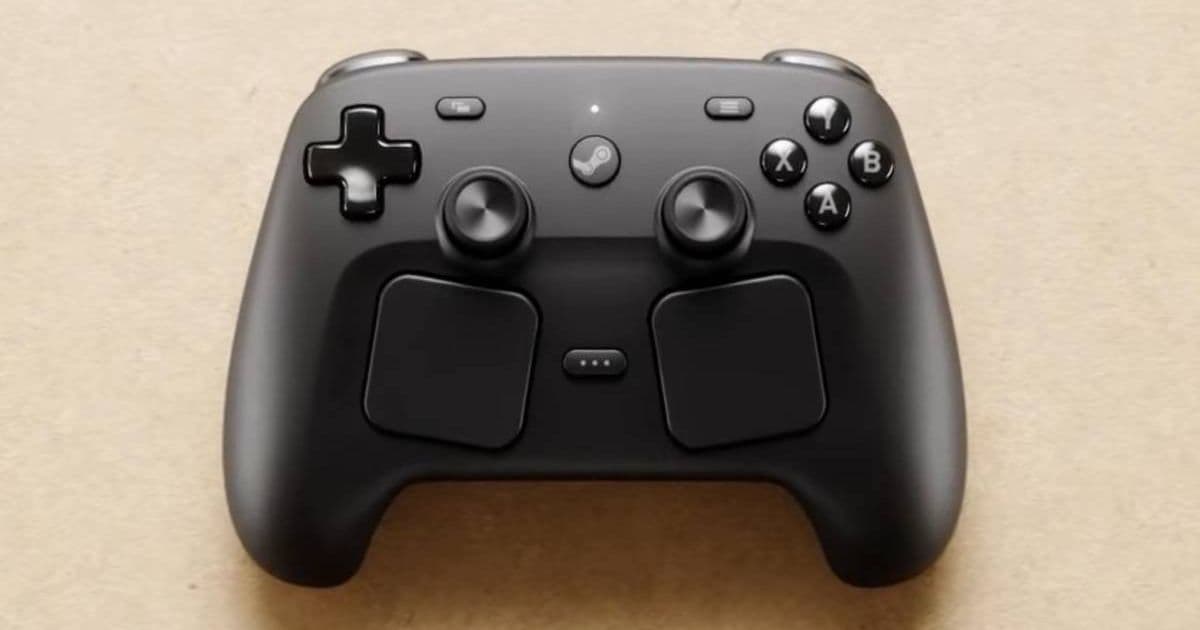
Steam Controller owners are discovering creative ways to make their controllers play music through built-in speakers, and the community has developed methods for anyone to replicate this musical feat.
The Steam Controller, Valve's innovative input device designed for PC gaming, is finding an unexpected second life as a musical instrument. While originally created to provide precision control for PC games, users have discovered ways to make these controllers 'sing' by leveraging their built-in speakers and haptic feedback systems.
The Technical Foundation
The Steam Controller features a small speaker and sophisticated haptic feedback system that was primarily designed to enhance immersion in games. These components, combined with the controller's Linux-based operating system, create unexpected possibilities for audio output.
"The Steam Controller's audio capabilities were always there, but Valve never fully exposed them through the standard Steam API," explains Alex Rivera, a developer who created one of the first mods to enable music playback. "We had to dig into the lower-level interfaces to access the speaker directly."
How It Works
Making a Steam Controller play music involves several technical steps:
- Accessing the speaker: The controller's speaker isn't exposed through Steam's standard input API, requiring custom drivers or modified firmware.
- Audio conversion: Audio files must be converted to a format compatible with the controller's limited speaker and audio processing capabilities.
- Playback implementation: Custom software routes the audio through the controller's speaker rather than the system audio output.
Several community projects have emerged to simplify this process. The most notable is SteamControllerAudio, an open-source project that provides a framework for playing audio through Steam Controllers.
Getting Started: A Practical Guide
For those interested in making their own Steam Controller sing, here's what you'll need:
Requirements
- A Steam Controller (original or Steam Deck version)
- Access to a computer with Steam installed
- Basic understanding of command-line operations
- SteamControllerAudio tools
Step-by-Step Process
- Download the tools: Get the latest release of SteamControllerAudio from the GitHub repository.
- Enable developer mode: In Steam settings, enable the Steam Controller's developer mode to allow custom configurations.
- Connect your controller: Pair your controller with your computer via Bluetooth or USB.
- Prepare your audio: Convert your desired audio to a compatible format (typically mono WAV files at 16kHz sample rate).
- Load the audio: Use the provided tools to load the audio file onto the controller.
- Test playback: Trigger the audio through Steam's input remapping interface or a custom script.
Notable Community Projects
Several innovative projects have pushed the boundaries of what's possible with Steam Controller audio:
Steam Controller Choir
The Steam Controller Choir project coordinates multiple controllers to play different parts of a musical composition simultaneously. This ambitious project requires precise timing and coordination between multiple devices.
"We started as a small group of five controllers playing simple melodies," says Maria Chen, the project's founder. "Now we have over 50 controllers in our choir, capable of performing complex arrangements. It's incredible what you can do when you combine these simple audio outputs."
Controller Piano Roll
Controller Piano Roll transforms a Steam Controller into a rudimentary sequencer, allowing users to compose simple melodies by mapping notes to controller buttons. The project includes a visual interface for creating and editing sequences.
Technical Considerations
The Steam Controller's audio hardware has significant limitations that potential users should understand:
- Limited frequency response: The small speaker can only reproduce a narrow range of frequencies, typically between 200Hz and 8kHz.
- Low power output: The speaker is designed for short audio cues rather than continuous playback.
- Memory constraints: The controller has limited storage for audio files, typically supporting only a few seconds of high-quality audio.
"We've found that simple melodies and sound effects work best," notes David Kim, another community developer. "Complex music with multiple instruments doesn't translate well through the hardware. But for simple tunes, it's surprisingly effective."
Cross-Platform Support
While the Steam Controller was designed primarily for Windows, Linux, and macOS, audio playback projects have varying levels of support across platforms:
- Windows: Full support with the most features and tools available
- Linux: Good support, though some tools may require additional configuration
- macOS: Limited support due to Apple's more restrictive driver policies
For Linux users, the Steam Input Linux compatibility layer provides the foundation for most audio projects, though additional setup is often required.
The Future of Controller Customization
The Steam Controller music phenomenon represents a broader trend toward hardware hacking and repurposing. As input devices become more sophisticated, we're likely to see more creative uses emerge.
"What's happening with the Steam Controller is just the beginning," suggests tech analyst Lisa Park. "As game hardware becomes more powerful and flexible, we'll see more users finding unintended uses for their devices. This kind of community-driven innovation often pushes manufacturers to expand the official capabilities of their products."
Ethical Considerations
While making your Steam Controller sing is generally harmless, users should be aware of potential warranty implications and the physical limitations of the hardware. Continuous high-volume playback could potentially damage the speaker or drain the battery more quickly than normal use.
For those interested in exploring further, the Steam Controller community on Reddit and the Steam Controller Audio Discord server provide additional resources and support for enthusiasts.
Conclusion
The Steam Controller's transformation from gaming peripheral to musical instrument showcases the creativity and technical skill of the PC gaming community. While not a replacement for traditional audio equipment, these projects demonstrate the untapped potential in our existing hardware.
For those willing to experiment, making a Steam Controller sing offers a unique blend of technology and creativity. Whether you're interested in simple audio playback or ambitious multi-controller compositions, the resources and community support are available to get you started.
Comments
Please log in or register to join the discussion