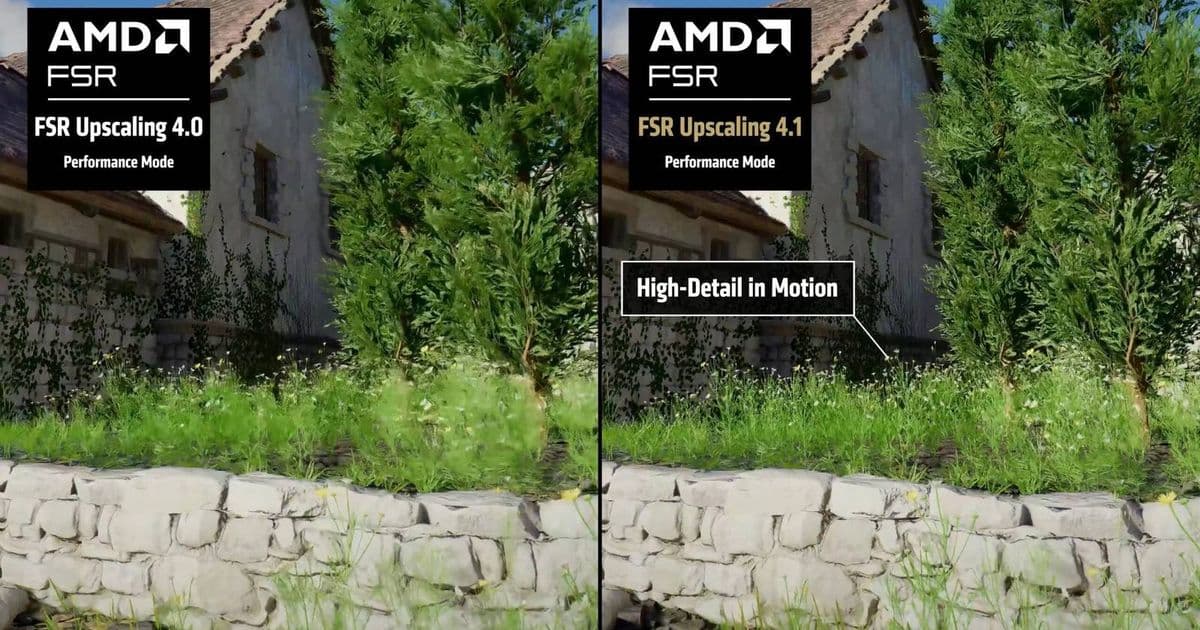
AMD will roll out its AI‑driven FSR 4.1 upscaler to RDNA 3 cards in July 2026 and to RDNA 2 silicon, including the Steam Deck, in early 2027, bringing over 300 games a DLSS‑like boost on legacy hardware.
AMD Extends FSR 4.1 AI Upscaling to Older Radeon RX GPUs
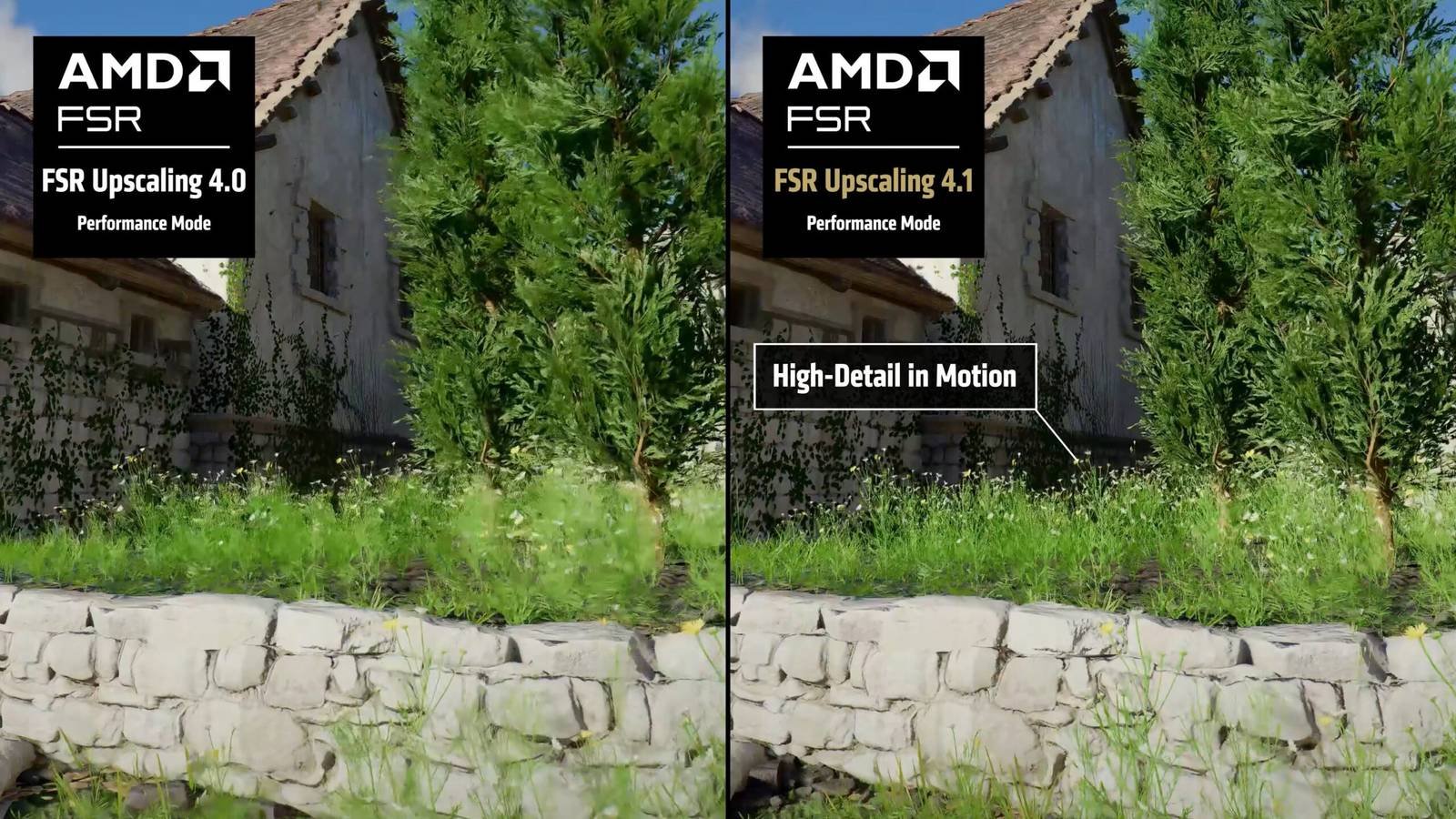
AMD announced that its latest AI‑based upscaling solution, FSR 4.1, will reach the Radeon RX 7000 series (RDNA 3) this July and will later be back‑ported to RDNA 2 GPUs, such as the chips inside Valve’s Steam Deck, in early 2027. The move adds machine‑learning‑driven upscaling to more than 300 titles, including Assassin’s Creed Shadows, Battlefield 6 and Cyberpunk 2077.
Platform update
- July 2026 – RDNA 3 launch – All Radeon RX 7000 cards (RX 7900 XT, XT E, etc.) will receive driver support for FSR 4.1. AMD’s release notes list the same driver version that shipped for the RX 9000 series in March, but with an expanded shader cache to accommodate the older architecture.
- Early 2027 – RDNA 2 rollout – The update will be back‑ported to the RX 6000 family and the integrated RDNA 2 GPUs found in the Steam Deck, Nintendo Switch OLED (via a future firmware update), and select Windows tablets.
- Game support – Over 300 titles have been patched to expose an FSR 4.1 profile in their graphics settings. Developers can enable the new profile through the existing FSR SDK without rebuilding the game.
What this means for developers
A single code path for three generations
The FSR 4.1 SDK (v4.1.0) introduces a Unified Upscaling API that abstracts the hardware differences between RDNA 3 and RDNA 2. By calling FSR4_Initialize() and passing a RadeonDeviceInfo struct, the runtime selects the appropriate model – a full‑precision transformer for RDNA 3 and a lightweight quantised model for RDNA 2. This means you can ship one binary and let the SDK handle the rest.
Performance expectations
Benchmarks released by AMD show a typical 30‑45 % frame‑rate uplift at 1440p when rendering at 1080p with the "Ultra Quality" preset. The gain is larger on RDNA 3 because the hardware can run the AI inference engine at higher throughput, but RDNA 2 still sees a respectable 20‑30 % uplift thanks to the optimized low‑bit model.
Compatibility checklist
- Update to the latest FSR SDK – Download from the official AMD developer portal.
- Add the new model files –
fsr4_rdna3.binandfsr4_rdna2.binmust be packaged with the game or delivered as DLC. - Test the UI flow – FSR 4.1 adds a new "AI Upscaling" toggle in the graphics menu. Verify that the toggle appears on both desktop and handheld builds.
- Validate on real hardware – AMD provides a cloud‑based testing service that runs your build on a fleet of RDNA 3 and RDNA 2 devices. Use it to catch edge‑case shader interactions before shipping.
Migration strategy for existing titles
1. Assess current upscaling implementation
If your game already uses FSR 2 or FSR 3, the migration is straightforward: replace the FSR2_ or FSR3_ initialization calls with the new FSR4_ equivalents. The SDK maintains backward‑compatible shader signatures, so most of your existing shader code can stay unchanged.
2. Integrate the AI model
The AI model is delivered as a compute shader that runs on the GPU’s dedicated matrix engine. On RDNA 3 this engine is a full‑blown Tensor Core; on RDNA 2 it is a shared compute unit with reduced precision. Include both binaries in your asset bundle and let the SDK pick the right one at runtime.
3. Profile and tune presets
FSR 4.1 introduces three quality presets – Performance, Balanced, and Ultra – each mapping to a different upscaling factor (1.5×, 1.75×, 2×). Run a quick frame‑time analysis on representative scenes to ensure the visual quality meets your standards. AMD’s profiling tools (GPUOpen Radeon™ GPU Profiler) can highlight any bottlenecks introduced by the AI pass.
4. Deploy driver updates
For desktop users, the driver update will be automatic via Radeon Software. For handheld devices like the Steam Deck, the update will be pushed through Valve’s firmware channel. Include a note in your release notes advising users to install the latest driver for the best experience.
Cross‑platform considerations
- iOS/Android – AMD does not ship FSR 4.1 to mobile GPUs, but the same AI upscaling concepts are being explored in the upcoming Radeon™ ProRender Mobile SDK. Keep an eye on the AMD blog for a future mobile variant.
- Unity & Unreal Engine – Both engines have shipped plugins that wrap the FSR 4.1 SDK. Unity developers can enable the feature via the HDRP Upscaling panel, while Unreal users add the
FSR4module to their*.uprojectfile. Updating the plugin version is all that is required. - Vulkan vs DirectX 12 – The SDK supports both APIs out of the box. The Vulkan path uses the
VK_KHR_compute_shader_derivativesextension for the AI pass, while the DirectX 12 path leverages theDX12_FEATURE_D3D12_OPTIONS7matrix engine flag.
What to watch next
AMD plans to open the FSR 4.1 model training pipeline to third‑party developers later this year, allowing studios to fine‑tune the AI for their own art styles. If you are interested in custom model training, sign up for the GPUOpen Community Program.
For now, the rollout gives legacy Radeon owners a tangible performance boost and gives developers a clear path to support a broader audience without maintaining separate upscaling stacks.
Related reading:
- Nvidia’s DLSS 4.5 Multi‑Frame Generation – a look at the competing AI upscaler (Nvidia blog)
- AMD’s original FSR 4.1 launch on the RX 9000 series (AMD announcement)
Comments
Please log in or register to join the discussion