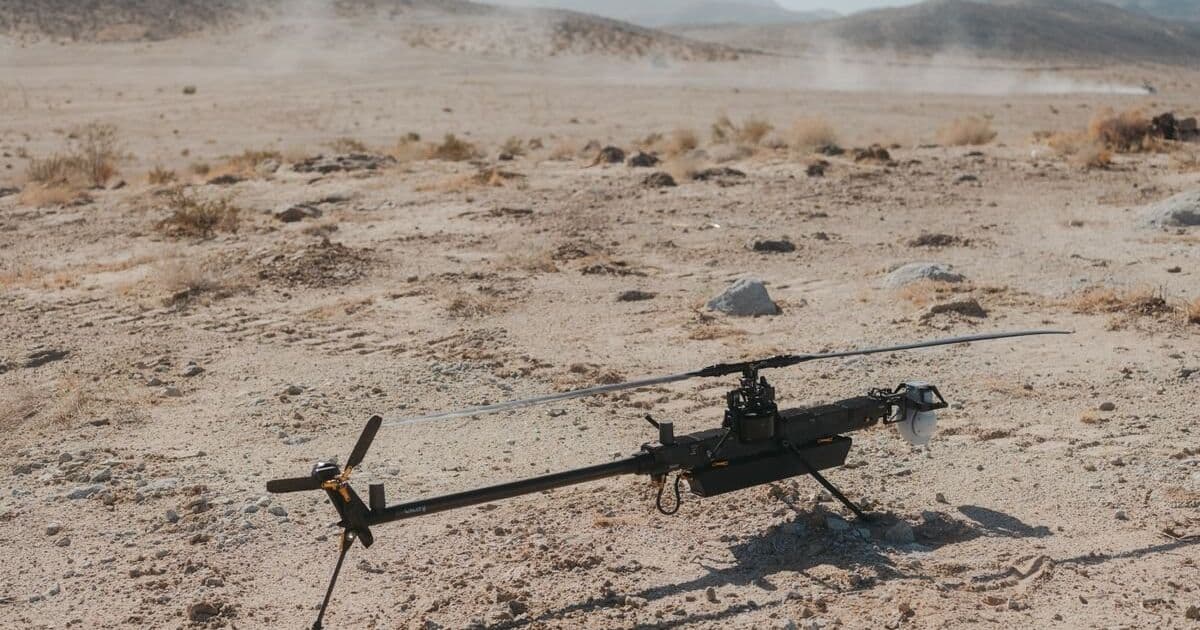
Anduril Industries secures a massive 10-year, up to $20 billion contract with the US Army, signaling growing government adoption of commercial defense technology and intensifying competition in the sector.
The US Army has awarded Anduril Industries a contract worth up to $20 billion over 10 years to supply software, hardware, and services, marking one of the largest commercial defense technology deals in recent history. The contract includes a five-year optional ordering period, giving the military flexibility to scale purchases based on operational needs.
This massive deal represents a significant validation of Anduril's approach to defense technology, which emphasizes commercial-off-the-shelf solutions and rapid development cycles. The company, founded by Palmer Luckey of Oculus VR fame, has positioned itself as a disruptor in the defense industry by applying Silicon Valley methodologies to military procurement.
What Makes This Contract Different
Unlike traditional defense contracts that often span decades with rigid specifications, this agreement appears designed for agility. The Army can adjust orders based on evolving threats and technological advancements, a model that aligns with Anduril's rapid iteration philosophy.
The contract covers multiple domains, suggesting Anduril's expanding capabilities beyond its initial focus on autonomous systems and counter-drone technology. While specific details remain classified, industry analysts expect the deal to include advanced surveillance systems, AI-powered command and control platforms, and next-generation sensor networks.
The Bigger Picture: Defense Tech's Commercial Moment
Anduril's success reflects a broader trend of commercial technology companies entering the defense sector. Traditional defense contractors like Lockheed Martin and Raytheon have dominated for decades, but newer players are winning over military customers with faster innovation cycles and lower costs.
This shift accelerated during the Ukraine conflict, where commercial drones and AI systems proved their battlefield value. The Pentagon has since prioritized partnerships with tech companies, creating opportunities for firms like Anduril, Palantir, and SpaceX.
Competition Heats Up
The $20 billion contract intensifies competition in defense tech. Established contractors are likely to respond with their own commercial partnerships and innovation initiatives. Meanwhile, other startups are racing to secure similar large-scale contracts.
Anduril faces challenges scaling production to meet potential Army demand while maintaining the rapid innovation that won them the contract. The company must also navigate complex security requirements and potential political scrutiny of its Silicon Valley origins.
What This Means for the Industry
This deal could reshape defense procurement, encouraging more flexible, performance-based contracts over traditional cost-plus models. If successful, it may open doors for other commercial tech companies to pursue government contracts, potentially accelerating military adoption of AI, autonomous systems, and advanced sensors.
The contract also highlights growing tensions between commercial innovation and traditional defense industrial base interests. Some in Congress have expressed concerns about relying too heavily on commercial companies for critical military capabilities.
Looking Ahead
The next five years will reveal whether Anduril can deliver on this massive opportunity while maintaining its innovative edge. Success could cement commercial defense tech as a major force, while any failures might slow the Pentagon's embrace of commercial solutions.
For now, Anduril's $20 billion contract stands as a watershed moment, signaling that the future of defense technology increasingly belongs to companies that can combine Silicon Valley speed with military-grade reliability.
Comments
Please log in or register to join the discussion