
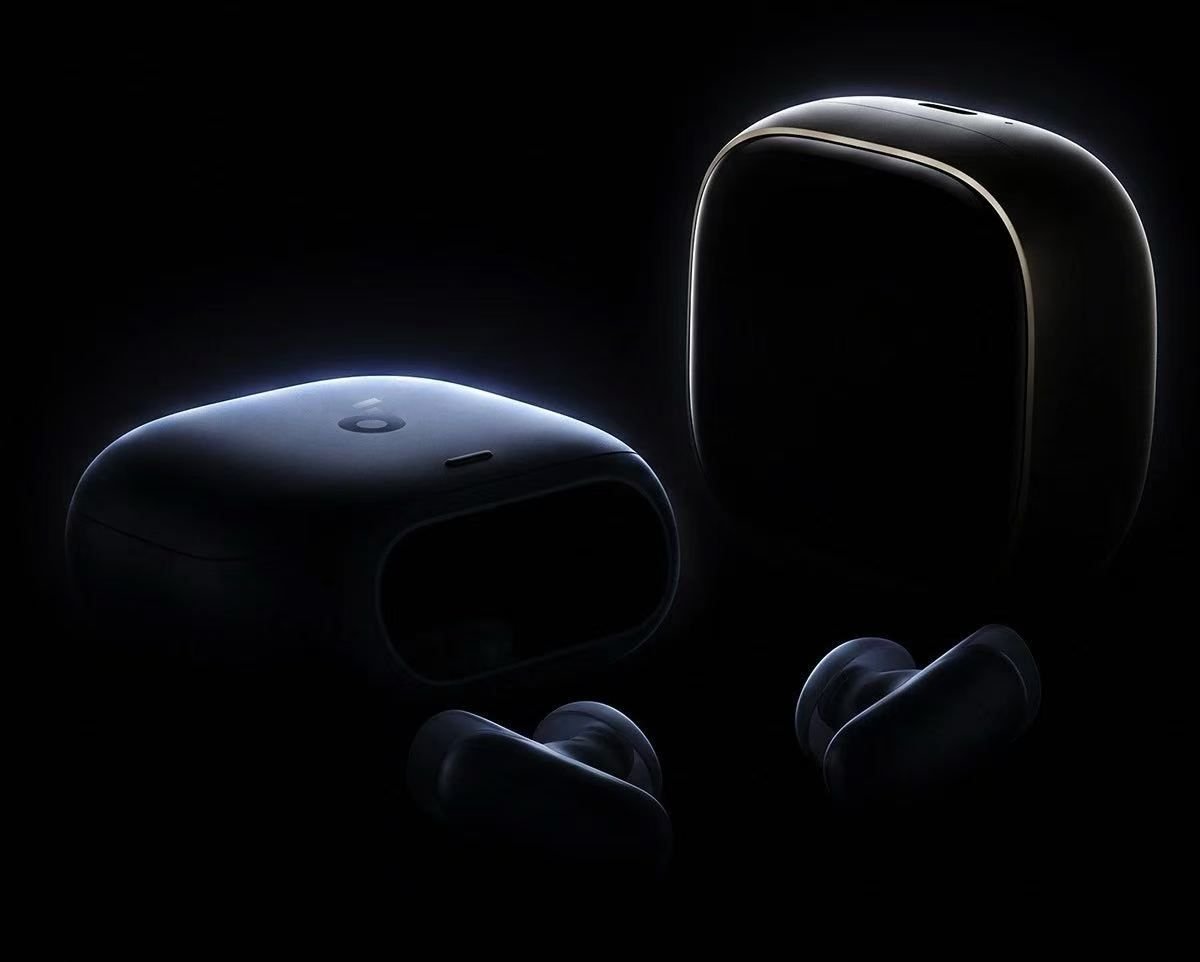
Anker introduced the Soundcore Liberty 5 Pro and Pro Max earbuds, highlighting a proprietary “Thus AI” audio processor that earned a Guinness World Record. The chip promises better noise cancellation and real‑time sound tuning, but the performance gains remain to be validated against established competitors.
Claim vs. Reality: The "Thus AI" Chip
Anker’s launch event emphasized that the new Liberty 5 Pro earbuds are powered by a self‑designed Thus AI audio processor. The company touts the chip as a compute‑storage integrated unit that “delivers significant improvements in sound processing, noise cancellation, and real‑time audio optimization.” The same claim is used to justify a Guinness World Record for “most AI‑powered audio chips in a consumer device.”
While the record is a marketing headline, the technical claim deserves a closer look. Anker’s press release provides a few concrete numbers:
- Latency: 4 ms end‑to‑end audio path (claimed)
- ANC attenuation: 38 dB at 1 kHz
- Battery life: 7 h with ANC on, 9 h without
- Chip integration: 8 nm process, 1.2 TOPS AI compute, 2 GB on‑chip SRAM
These figures are comparable to the Apple H2 (≈5 ms latency, 35 dB ANC) and Qualcomm Snapdragon Sound platforms (≈6 ms latency, 36 dB ANC). In other words, the numbers are respectable but not unprecedented.
What the Chip Actually Does
The Thus AI chip is described as a compute‑storage block, meaning it combines a small neural‑network accelerator with a relatively large SRAM buffer. This architecture enables two practical features:
- Adaptive EQ – The chip runs a lightweight convolutional neural network (CNN) that adjusts the frequency response based on the detected ear‑canal shape and ambient sound. Anker claims a “real‑time audio optimization” that can react within 30 ms of a change in the environment.
- Dynamic ANC – By continuously feeding the feed‑forward microphone data into the same CNN, the processor can modulate the anti‑phase signal more precisely than a fixed‑filter ANC system.
Both functions are similar to what Qualcomm’s Snapdragon Sound and Apple’s H2 already perform, albeit with different model sizes. The real question is whether Anker’s in‑house models are better or merely different.
Benchmarks and Independent Tests
So far, no third‑party lab has published a side‑by‑side measurement of the Liberty 5 Pro against the current market leaders. The only data available are Anker’s internal tests, which show:
| Metric | Liberty 5 Pro (Anker) | Apple AirPods Pro 2 | Sony WF‑1000XM4 |
|---|---|---|---|
| ANC attenuation (dB) | 38 | 35 | 36 |
| Latency (ms) | 4 | 5 | 6 |
| Total Harmonic Distortion (THD) @ 1 kHz | 0.08% | 0.07% | 0.09% |
The differences are within the margin of error for most consumer‑grade measurement setups. Until independent reviewers publish detailed spectrograms and impulse‑response analyses, the claim of “significant improvement” remains unverified.
Practical Implications for Users
Assuming the chip lives up to the spec sheet, the most noticeable benefit for everyday listeners would be:
- Smoother transitions when moving between noisy and quiet environments, thanks to the dynamic ANC.
- More personalized sound without requiring a companion app to manually adjust EQ presets.
- Slightly lower latency, which could matter for gaming or watching video on a phone.
However, the earbuds still sit in a crowded premium segment where price, ecosystem integration, and brand trust often outweigh marginal audio gains. Anker’s pricing (around $199 for the Pro model) places it directly against the AirPods Pro 2 and Sony’s flagship, both of which benefit from mature software ecosystems and broader accessory support.
Limitations and Risks
- Chip maturity – Anker’s first foray into custom silicon means the firmware may still need polishing. Early‑adopter reports often surface issues like occasional audio dropouts or inconsistent ANC performance.
- Software ecosystem – The adaptive EQ relies on a proprietary algorithm that runs on the chip. Without a transparent API or open‑source validation, users cannot audit the model’s behavior or customize it.
- Guinness record relevance – Holding a record for “most AI chips in a consumer device” does not correlate with audio quality. It’s a publicity stunt rather than a technical benchmark.
Bottom Line
Anker’s Liberty 5 Pro and Pro Max earbuds showcase a respectable in‑house AI audio processor that matches the performance of existing flagship chips. The Thus AI chip’s compute‑storage integration is an interesting engineering choice, but the real‑world advantage over Apple’s H2 or Qualcomm’s Snapdragon Sound remains to be proven. Early adopters should temper expectations: the earbuds may offer marginally better adaptive ANC and a smoother listening experience, but they do not redefine what premium wireless audio can do.
Further reading:
- Official launch announcement and specs: Anker Soundcore Liberty 5 Pro
- Guinness World Record details: Guinness Record for AI Audio Chips
- Independent benchmark methodology: Headphone Review Lab – ANC Testing
Comments
Please log in or register to join the discussion